Trump optimistic on Iran talks amid West Asia conflict pause
US President Donald Trump expressed optimism about potential progress in ongoing talks with Iran to de-escalate the West Asia conflict. Despite a temporary halt in military strikes, Iran's neighbors reported drone attacks, indicating continued regional tensions. The U.S. has suspended air strikes to allow diplomacy a chance, with Trump warning of renewed action if negotiations fail.
Key Highlights
- Trump voices optimism about progress in US-Iran talks.
- Temporary pause in US military strikes against Iran.
- Reports of drone attacks in Iran's neighboring countries.
- US ready to resume military action if talks falter.
- Diplomacy given a chance amid ongoing West Asia conflict.
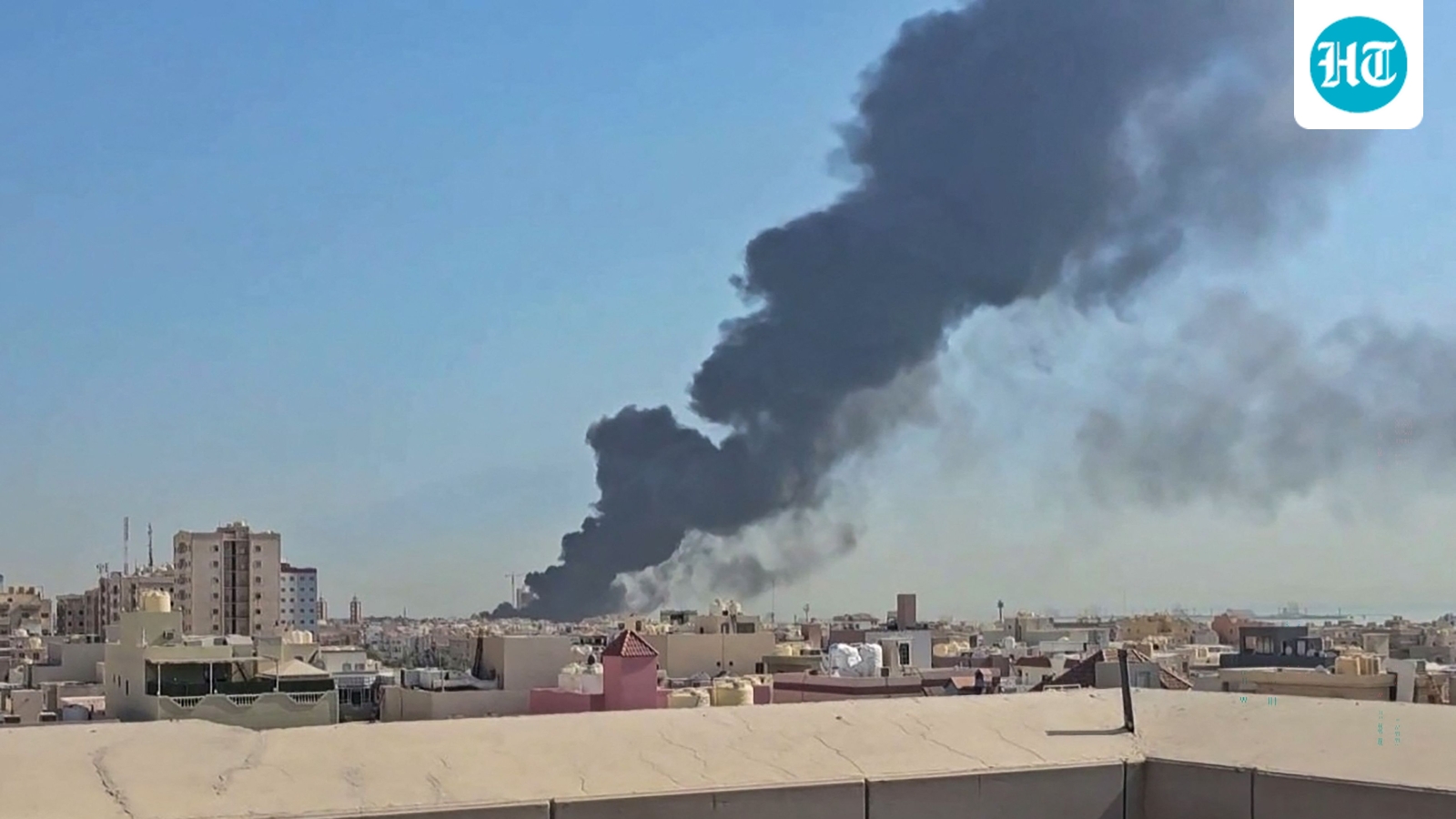
In a developing situation in West Asia, U.S. President Donald Trump has indicated a "good chance" of progress in ongoing talks with Iran, following a temporary suspension of U.S. military strikes. The White House stated that the U.S. has paused its air campaign to allow diplomacy an opportunity, with Trump expressing optimism about a potential negotiated peace deal. However, despite this diplomatic overture, reports emerged of drone attacks occurring in countries neighboring Iran, including Saudi Arabia, Jordan, and Iraq, suggesting that regional tensions remain high. Trump reiterated his stance that while the U.S. is engaging in "good talks" and there's a possibility for a deal, military action would resume if negotiations prove unfruitful. He described the ongoing discussions as "very friendly negotiations." Iran's Foreign Ministry, while acknowledging that messages were being exchanged through mediators, denied reports that Iran had requested negotiations, stating such reports were "fabricated." A senior Iranian official indicated that Iran would halt its own attacks as long as the U.S. ceasefire continued. The conflict, which has involved exchanges of strikes and has impacted regional stability and the global economy, has seen a temporary respite with the pause in U.S. air operations. This pause came after a period of intensified bombing and growing fears of an all-out war. The U.S. military had carried out strikes on Iran for 13 consecutive nights prior to the ceasefire. The U.S. suspension of air strikes was described as a "strategic U-turn" amidst the five-month-old conflict. While diplomacy is being given space, forces on both sides remain on high alert. The situation remains fluid, with both parties cautiously engaging in dialogue while maintaining military readiness. The underlying issues contributing to the conflict, such as control over the Strait of Hormuz and broader regional security concerns, continue to be critical factors. The U.S. has historically maintained a policy of "maximum pressure" against Iran, with sanctions and military deterrence aimed at altering Iran's behavior, particularly concerning its nuclear program and regional influence. However, this approach has been met with Iranian defiance and has often led to escalations. The current diplomatic efforts represent a potential shift, with both sides seemingly open to exploring de-escalation, though historical mistrust and the volatile nature of the region present significant challenges. The ongoing developments are being closely watched by international actors and have a considerable impact on global energy markets, as seen by the fluctuations in oil prices following the pause in hostilities. The credibility of both The Hindu and The Times of India as news sources is generally considered high, with The Hindu often praised for its in-depth reporting and The Times of India recognized for its wide reach and, according to some surveys, trust among Indian audiences. However, both publications have faced scrutiny regarding potential biases or specific editorial choices, as is common with major news outlets. The events described are of significant international importance, affecting global politics and economics.
Frequently Asked Questions
What is the current status of the U.S.-Iran conflict?
As of late July 2026, the U.S. and Iran have temporarily paused military strikes, with President Trump expressing optimism about ongoing diplomatic talks aimed at de-escalating the conflict. However, tensions remain high, with reports of drone attacks in neighboring countries.
What did President Trump say about the Iran talks?
President Trump stated that the U.S. is having "good talks" with Iran and believes there is a "good chance" of progress toward a deal. He also warned that military strikes would resume if negotiations fail.
Has Iran responded to the U.S. offer for talks?
Iran's Foreign Ministry acknowledged that messages are being exchanged through mediators but denied reports of Iran initiating negotiations, calling them "fabricated." A senior Iranian official indicated Iran would observe a ceasefire if the U.S. did.
What are the implications of the conflict pause on oil prices?
The pause in U.S. strikes and the hope for a diplomatic solution have led to a drop in oil prices, as investors weigh the potential normalization of Middle East energy flows.