KAIST Develops Injection to Reprogram Tumor Immune Cells into Cancer Fighters | Quick Digest
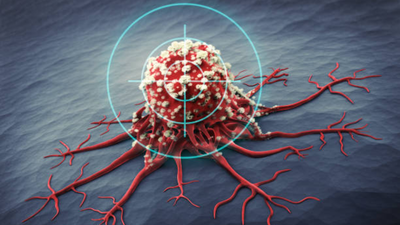
Researchers at the Korea Advanced Institute of Science and Technology (KAIST) have developed an injectable drug that converts dormant immune cells within tumors into active cancer-fighting CAR-macrophages, showing significant anti-tumor effects in animal models. This innovative approach eliminates the need for external cell modification.
KAIST develops injectable drug for in-situ immune cell reprogramming.
Drug converts tumor-associated macrophages into active CAR-macrophages.
Method bypasses costly and complex ex-vivo cell modification.
Study demonstrated significant tumor growth reduction in animal models.
This represents a novel approach in cancer immunotherapy.
Research published in ACS Nano, showing promising early results.
Researchers at the Korea Advanced Institute of Science and Technology (KAIST) have developed a groundbreaking injectable drug designed to transform dormant immune cells, specifically macrophages, directly within tumors into potent cancer fighters. This innovative approach, reported by ANI News and corroborated by other sources like The Tribune and ScienceDaily, addresses a key challenge in cancer immunotherapy by eliminating the need for complex and costly external cell extraction and modification.
The drug utilizes lipid nanoparticles loaded with messenger RNA (mRNA) that carries cancer-recognition instructions (CAR proteins) and an immune-activating compound. When injected directly into a tumor, these nanoparticles are readily absorbed by tumor-associated macrophages, reprogramming them into anticancer 'CAR-macrophages' on-site. Solid tumors often create a suppressive microenvironment that hinders immune cells, making many existing immunotherapies less effective. The KAIST team, led by Professor Ji-Ho Park, focused on leveraging the macrophages that naturally infiltrate tumors, finding a way to activate them directly.
In animal models, this strategy demonstrated significant success, leading to a substantial slowdown in tumor growth and triggering robust anti-cancer immune responses. The research also suggested the potential for broader, body-wide immune protection, extending beyond the injected tumor. This method offers a new concept for immune cell therapy by generating anti-cancer immune cells within the patient's body, thereby overcoming limitations of current CAR-macrophage therapies related to delivery efficiency and the immunosuppressive tumor environment. The findings of this study were originally published in the international journal ACS Nano on November 18. This breakthrough holds immense promise for developing more accessible and effective treatments for various solid cancers.
Read the full story on Quick Digest