Iran War Intensifies: US-Israel Strikes, Regional Fallout, Global Impact
A major conflict involving the United States, Israel, and Iran erupted on February 28, 2026, following US-Israeli strikes on Iran. The war has escalated with retaliatory attacks across the Middle East, impacting Gulf nations, international shipping, and global oil markets, and causing significant humanitarian concern. India faces challenges with stranded citizens and economic repercussions.
Key Highlights
- US and Israel launched strikes on Iran on February 28, 2026.
- Iran retaliated with missile and drone attacks across the region.
- Supreme Leader Ali Khamenei was killed in initial strikes.
- Houthis and Hezbollah have joined the conflict, escalating regional tensions.
- Global oil prices surged; international shipping in Strait of Hormuz affected.
- India is addressing concerns for its stranded citizens and economic fallout.
A significant armed conflict, often referred to as the 'Iran War,' commenced on February 28, 2026, with coordinated military operations launched by the United States and Israel against Iran. The opening salvos targeted critical Iranian military infrastructure, nuclear facilities, and leadership, notably resulting in the death of Iran's Supreme Leader Ali Khamenei. This major escalation followed years of heightened tensions over Iran's nuclear program, ballistic missile development, and its extensive military presence and influence across the Middle East. Attempts to renegotiate the Joint Comprehensive Plan of Action (JCPOA) in 2025 and 2026 had failed, leading to a military resolution after diplomatic avenues were exhausted.
In immediate retaliation, Iran unleashed a torrent of hundreds of missiles and thousands of drones across the region, targeting Israel, various US military installations, and several allied Gulf Arab states. These retaliatory strikes caused substantial damage, leading to thousands of casualties in Iran and Lebanon, and dozens more in Israel and Gulf countries, alongside the displacement of millions. The EurAsian Times article, published on March 21, 2026, accurately captures the ongoing and deadly nature of this Middle East clash.
The conflict rapidly expanded beyond direct US-Israeli-Iranian confrontations. Iran's proxy forces, central to its regional strategy, swiftly became involved. Hezbollah in Lebanon, a long-standing Iranian ally, resumed hostilities with Israel, launching sustained barrages of rockets and missiles after a fragile ceasefire broke down. Similarly, the Houthi militant group in Yemen, another Iranian proxy, officially entered the conflict by firing missiles at Israeli military sites and threatening civilian shipping in the Red Sea. These actions broadened the war's geographical scope, affecting numerous countries including Iraq, Syria, Lebanon, Yemen, Kuwait, Qatar, Bahrain, Jordan, and Saudi Arabia, all of whom have faced direct or proxy attacks.
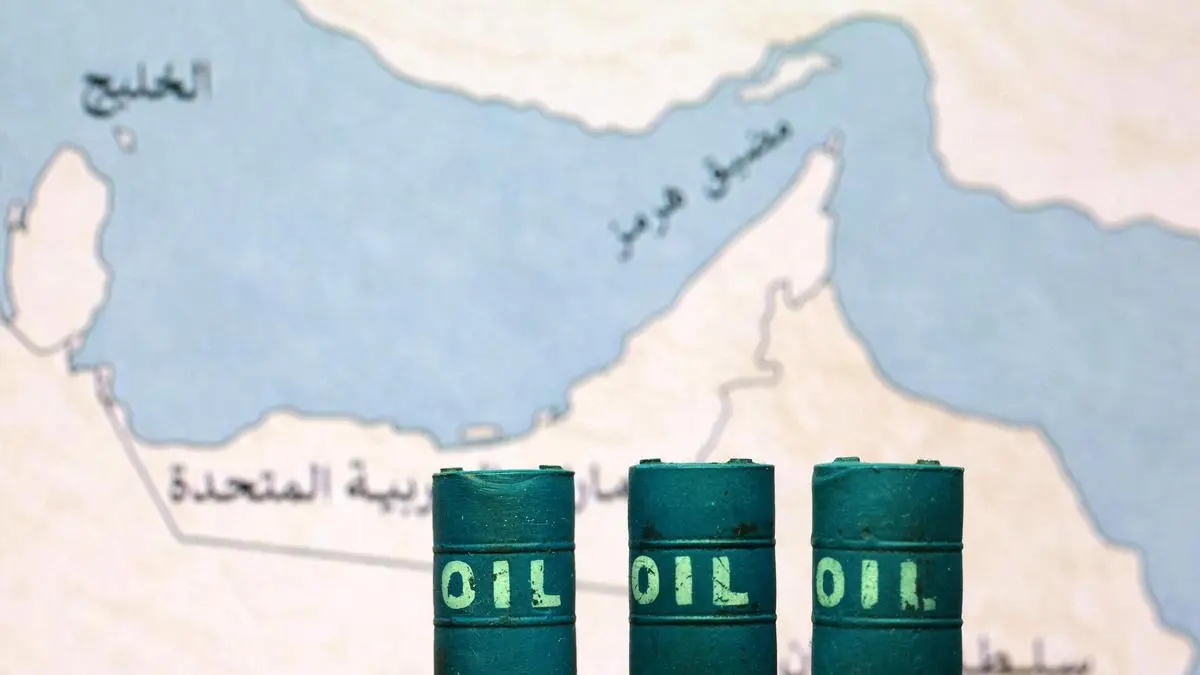
The economic fallout has been significant and global. The Strait of Hormuz, a critical choke point for global oil supplies, experienced disruptions due to Iranian threats and attacks on maritime shipping and energy infrastructure. This led to a surge in global oil prices, reaching their highest levels since mid-2022, and prompted nations to reconsider their energy policies. The United States temporarily lifted sanctions on Iranian oil already loaded onto vessels to mitigate a global supply crunch. Additionally, the conflict impacted international air travel, with numerous flight cancellations and re-routings to avoid airspace over Iran and other affected Middle Eastern regions.
India, with its significant diaspora in the Middle East and reliance on the region for energy, has been particularly affected. The Indian government has had to address concerns for its citizens, including those stranded in countries like the UAE due to missile attacks and airspace closures. Protests also erupted in parts of India, notably Jammu and Kashmir, following the death of Supreme Leader Khamenei, highlighting the emotional and political connections. The conflict has intensified India's strategic challenges, necessitating diplomatic efforts and a careful recalibration of its foreign policy in West Asia. The Ministry of External Affairs has been actively engaged, and the Prime Minister has convened meetings of the Cabinet Committee on Security to address the crisis.
Humanitarian organizations, such as Human Rights Watch, have called upon officials from the United States, Iran, and Israel to uphold international humanitarian law, particularly concerning the protection of civilians and civilian infrastructure, amid escalating rhetoric that disregards these principles. The ongoing conflict, dubbed 'Operation Epic Fury' by the US, has seen the deployment of additional US ground forces to the Middle East, including Marines and airborne units, further underscoring the severity and potential for a protracted engagement. This war represents a major geopolitical shift, with profound implications for regional stability and the global order.
Frequently Asked Questions
What triggered the 'Iran War' on February 28, 2026?
The 'Iran War' began on February 28, 2026, with coordinated military strikes by the United States and Israel against Iran. These actions followed years of escalating tensions over Iran's nuclear program, ballistic missile capabilities, and regional military activities, with diplomatic efforts to renegotiate a nuclear deal having failed.
Who are the main parties involved in the conflict and which other countries are affected?
The primary belligerents are Iran, against a coalition of the United States and Israel. The conflict has drawn in Iranian-backed groups like Hezbollah in Lebanon and the Houthis in Yemen. Numerous other countries in the Middle East, including Saudi Arabia, UAE, Kuwait, Qatar, Bahrain, Jordan, Iraq, and Syria, have been directly impacted by strikes and increased instability.
What has been the impact of the war on global energy and shipping?
The war has significantly disrupted global energy markets and shipping, particularly through the Strait of Hormuz. Iranian threats and attacks on maritime infrastructure have led to a substantial increase in global oil prices. International flights have also been affected, with routes altered or cancelled due to airspace restrictions.
How has the conflict impacted India?
India has faced challenges related to its citizens stranded in the Middle East due to missile attacks and airspace closures, requiring governmental intervention for assistance. The conflict has also raised concerns about fuel supply and prices in India and prompted diplomatic efforts to manage its strategic implications in West Asia. Protests have also occurred in India following the death of Iran's Supreme Leader.
What is the current humanitarian situation in the affected regions?
The conflict has resulted in significant humanitarian consequences, including thousands of deaths in Iran and Lebanon, dozens in Israel and Gulf states, and the displacement of millions of people across the region. Humanitarian organizations have urged all parties to adhere to international humanitarian law and protect civilians and civilian infrastructure.