Iran considers transit fees for ships in Strait of Hormuz amid regional conflict
Iran is considering imposing transit fees on ships passing through the strategic Strait of Hormuz, a move that could monetize its influence over the vital waterway. This development comes amid heightened regional tensions and follows recent attacks on energy sites in the Persian Gulf. The proposed legislation aims to generate revenue by charging countries for using the strait for shipping, energy transit, and food supplies.
Key Highlights
- Iran proposes transit fees for Strait of Hormuz passage.
- Legislation would require tolls for shipping and energy transit.
- Move aims to monetize Iran's control over the strategic waterway.
- Proposal comes amid escalated regional tensions and conflict.
- Strait of Hormuz is critical for global oil and gas trade.
Iran is contemplating the imposition of transit fees for vessels navigating the crucial Strait of Hormuz, a strategic waterway through which a significant portion of global oil and liquefied natural gas (LNG) passes. This potential move, disclosed by a lawmaker, signals an effort by Tehran to leverage its influence over this vital chokepoint amid escalating regional conflict. The proposed legislation, currently under review by the Iranian parliament, would mandate that countries utilizing the strait for shipping, energy transit, and food supplies pay tolls and taxes to Iran. This is framed by proponents as compensation for Iran's role in providing security along the route, with some officials suggesting it's a way to generate revenue and potentially counter international sanctions.
The Strait of Hormuz is globally recognized as one of the most strategically important maritime passages. It serves as the sole sea link between the Persian Gulf and the open ocean, and in 2023-2025, it handled approximately 20% of the world's liquefied natural gas and 25% of its seaborne oil trade. Its importance cannot be overstated, as it is a major conduit for petroleum products destined for Europe and Asia. Disruptions to this strait can lead to severe supply shortages and significant volatility in global energy markets, with potential impacts on oil prices and the global economy. For India, the strait is particularly critical, as a substantial portion of its crude oil and LNG imports transit through it. Reports indicate that India imports nearly 90% of its crude oil requirement, with over 40% originating from West Asia and passing through Hormuz. Similarly, about half of India's LNG supplies also traverse this route.
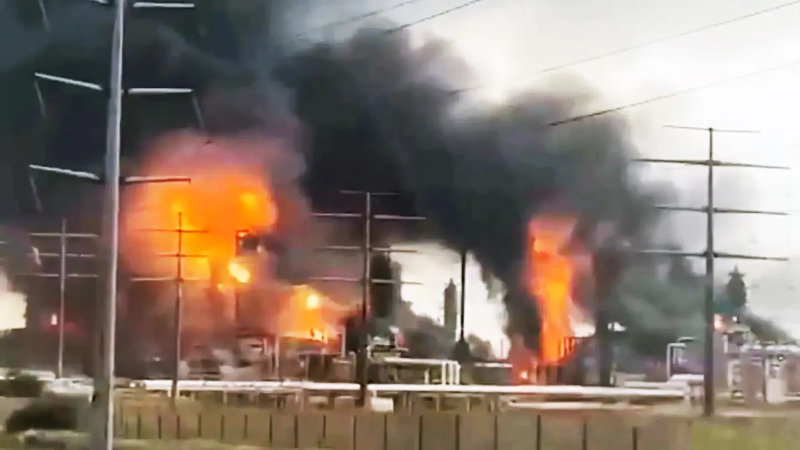
The timing of this proposal is significant, coinciding with a period of heightened regional tensions. Recent attacks on energy sites in the Persian Gulf, attributed to Israel's strike on Iran's South Pars gas field and Iran's subsequent retaliatory actions against facilities in Qatar and Saudi Arabia, have widened concerns about the conflict's spread. This volatile environment has led to discussions about Iran potentially reshaping its position in the Strait of Hormuz post-conflict. An advisor to Iran's supreme leader has indicated that a 'new regime' for the Strait might emerge after the war, allowing Tehran to impose maritime restrictions on countries that have sanctioned it. Some officials have explicitly stated that Iran could use the Strait's strategic position to sanction adversaries and prevent their ships from passing through.
The proposed transit fees could also be interpreted as a measure to circumvent or mitigate the impact of international sanctions imposed on Iran. By generating revenue from transit through a globally critical chokepoint, Iran might seek to bolster its economy. This move also highlights Iran's assertiveness in controlling maritime traffic, as evidenced by past disruptions to vessels linked to its adversaries and their allies since the start of the US-Israeli war on Iran. Some reports suggest that Iran has already established its own controlled shipping corridor within the strait, potentially funneling approved vessels through a narrow channel in Iranian waters, and even charging fees for authorization in some instances.
The global implications of such a move are substantial. Any disruption or increased cost associated with passage through the Strait of Hormuz would disproportionately affect Asian economies, particularly China and India, which are major importers of oil and LNG. While alternative pipelines exist to bypass the Strait, their capacity is limited, and they cannot fully substitute the volume of maritime trade. India, in particular, has been actively exploring options to de-risk its maritime oil trade, diverting a significant portion of its crude imports to non-Hormuz routes and utilizing strategic petroleum reserves. However, these alternatives often involve longer voyage distances and higher freight costs. The situation underscores the Strait of Hormuz's continued role as a critical geopolitical bargaining chip and a linchpin of global energy security.
Frequently Asked Questions
What is the Strait of Hormuz and why is it important?
The Strait of Hormuz is a narrow maritime passage between the Persian Gulf and the Gulf of Oman. It is critically important as it serves as the sole sea outlet for a significant portion of the world's oil and liquefied natural gas (LNG) exports, making it a vital global energy chokepoint.
What is Iran considering doing with the Strait of Hormuz?
Iran is considering enacting legislation to impose transit fees on ships passing through the Strait of Hormuz. This move is intended to monetize its control over the waterway and potentially generate revenue, especially amid ongoing regional conflicts.
How does this potential Iranian action affect global energy supplies?
The Strait of Hormuz handles a substantial volume of global oil and LNG trade. Any disruption, increased costs, or closure of the strait due to Iranian actions could lead to significant price volatility, supply shortages, and broader economic instability worldwide.
What is India's reliance on the Strait of Hormuz?
India is highly dependent on the Strait of Hormuz for its energy imports. A significant percentage of its crude oil and liquefied natural gas (LNG) supplies from West Asia transit through this waterway, making India particularly vulnerable to any disruptions.