India's Youth-Led 'Cockroach Movement' Defies Crackdown, Demands Education Reforms
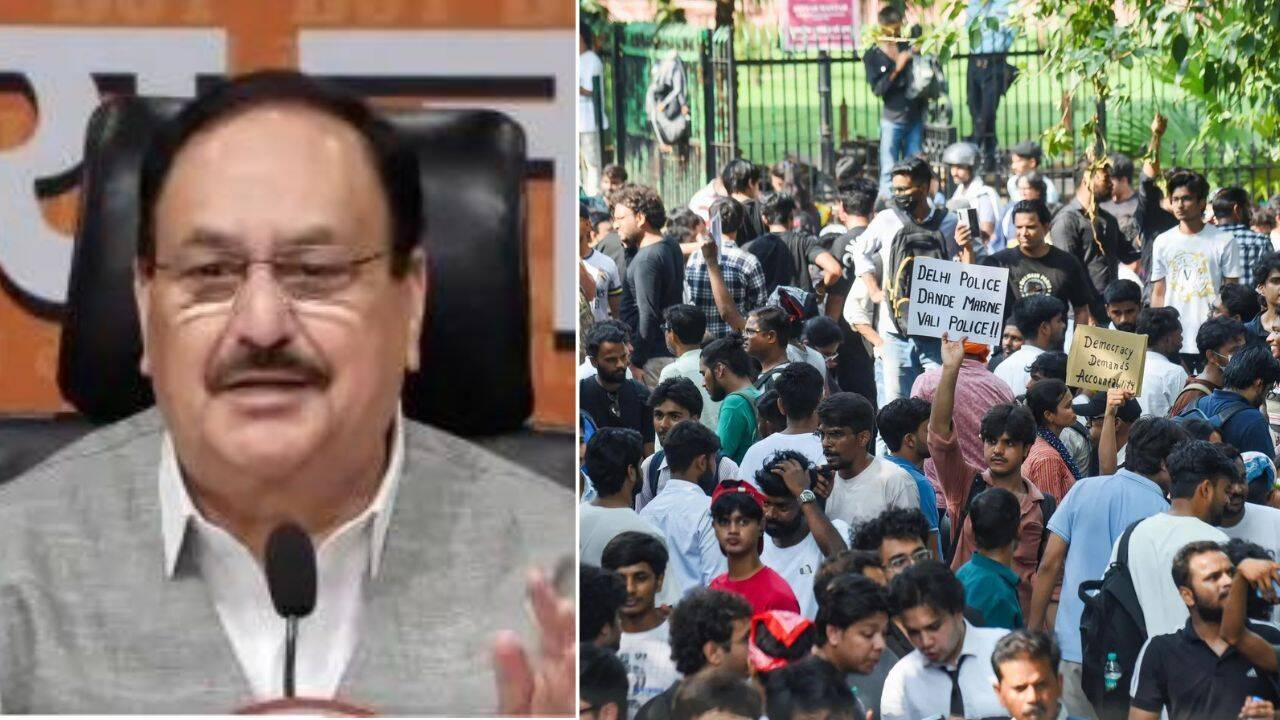
India's youth-led 'Cockroach Janta Party' (CJP) continues its widespread protests in Delhi, demanding the resignation of the Education Minister and reforms over alleged exam paper leaks. Despite police crackdowns, metro closures, and detentions, protesters, joined by activist Sonam Wangchuk and opposition leaders, show no signs of backing down.
Key Highlights
- Youth-led 'Cockroach Janta Party' (CJP) protests exam leaks, education reforms.
- Tens of thousands marched towards Parliament, faced police tear gas and batons.
- Activist Sonam Wangchuk's hunger strike and forced hospitalization fueled outrage.
- Delhi Metro shut 16 stations, internet restricted amid heightened security.
- Opposition leaders, including Rahul Gandhi, detained in solidarity.
- Protesters at Jantar Mantar vow to continue until demands are met.
India is currently witnessing a significant and defiant youth-led protest movement, known as the 'Cockroach Janta Party' (CJP), that shows no signs of abating despite a forceful government crackdown. The movement, which emerged in May 2026, was founded by digital communications strategist Abhijeet Dipke as a satirical response after a Supreme Court judge allegedly referred to unemployed youth and social media activists as "cockroaches" and "parasites". What began as an online satirical jab quickly morphed into a formidable political force, drawing tens of thousands onto the streets of New Delhi and other parts of the country.
The core of the CJP's demands revolves around accountability for alleged widespread examination paper leaks, specifically the National Eligibility cum Entrance Test (NEET-UG 2026) and irregularities in CBSE On-Screen Marking. These leaks have affected millions of students and have been widely seen as symptomatic of a "corrupt and broken" education system. Protesters are demanding the immediate resignation of Union Education Minister Dharmendra Pradhan, comprehensive reforms in the examination system, and adequate compensation for the families of students who reportedly died by suicide due to the intense stress and uncertainty caused by these issues.
The protests gained significant national attention when renowned Ladakhi environmentalist and education activist Sonam Wangchuk joined the CJP's sit-in at Jantar Mantar, Delhi's designated protest site, on June 28, 2026. Wangchuk commenced an indefinite hunger strike in solidarity with the students, demanding Pradhan's resignation and broader reforms, including the long-standing demand for Sixth Schedule status for Ladakh. After 21 days, on July 18, 2026, Delhi police forcibly removed Wangchuk from the protest site and admitted him to a hospital against his will, sparking widespread national outcry and further galvanizing the movement.
A major escalation occurred on Monday, July 20, 2026, when tens of thousands of CJP supporters, predominantly students and Gen Z individuals, attempted to march towards the Parliament of India, defying prohibitory orders from the Delhi Police. Security forces responded with significant measures, including the deployment of Rapid Action Force personnel, erecting extensive barricades across the city, and implementing a temporary internet shutdown in central Delhi. Eyewitness accounts and social media footage, corroborated by multiple news outlets, reported police using tear gas and baton charges (lathi-charge) to disperse the peaceful demonstrators. Delhi Police reported that approximately 180 people were injured in the clashes, including 60 protesters and 118 security personnel, although CJP leaders claimed around 150 protesters were hospitalized. Amnesty International India expressed serious human rights concerns over the crackdown, alleging the use of unnecessary and excessive force by the police.
In an attempt to prevent protesters from converging, the Delhi Metro Rail Corporation (DMRC) initially closed five key metro stations on July 20. By Wednesday, July 22, 2026, the number of closed stations had risen to 16, significantly disrupting daily commutes across the national capital, though interchange facilities at major hubs remained open. Despite these measures, protesters continued to gather at Jantar Mantar, with fresh groups arriving from across the country.
The movement has also garnered strong support from opposition parties. On Tuesday, July 21, opposition leader Rahul Gandhi and several Congress party lawmakers staged a sit-in outside Prime Minister Narendra Modi's residence in New Delhi and were briefly detained. The following day, opposition parties united to shut down parliamentary proceedings, demanding a discussion on the police violence against young protesters and the ongoing examination scandals, amplifying the pressure on the Modi government.
As of July 23, 2026, the protests at Jantar Mantar are ongoing. Sonam Wangchuk, from his hospital bed, has set new conditions for ending his hunger strike, primarily demanding an unequivocal assurance from the government that no punitive or retaliatory legal action will be taken against the student protesters. He also sought assurances regarding compensation for affected families and a meaningful parliamentary discussion on accountability, including the education minister's resignation. CJP leaders have reiterated their commitment to continue the protests until all their four demands are met. The Delhi High Court has sought a response from Delhi Police regarding the alleged use of excessive force, and Delhi Police have registered 10 First Information Reports (FIRs) in connection with the July 20 march. The Supreme Court, however, declined to urgently hear a petition alleging police brutality.
The 'Cockroach movement' represents a significant challenge to the Modi government, attracting a diverse demographic beyond students, including professionals and families. It highlights growing public frustration over governance, educational integrity, and the right to peaceful dissent in India.
Frequently Asked Questions
What is the 'Cockroach movement' in India?
The 'Cockroach movement' refers to the 'Cockroach Janta Party' (CJP), a youth-led satirical political movement in India. It began in May 2026 as an online campaign and has since grown into a significant nationwide protest demanding accountability in the education system.
Why are the 'Cockroach movement' protesters demonstrating?
Protesters are primarily demanding the resignation of Union Education Minister Dharmendra Pradhan over alleged widespread paper leaks in major examinations like NEET-UG 2026, reforms to the education system, and compensation for students affected by exam-related distress and suicides.
Who is Sonam Wangchuk and what is his role in the protests?
Sonam Wangchuk is a renowned Ladakhi environmentalist and education activist who joined the CJP's protest at Jantar Mantar on June 28, 2026, starting an indefinite hunger strike. His forced hospitalization by Delhi police after 21 days of fasting significantly amplified the movement's visibility and public support.
What was the government's response to the protests?
The government's response has included heightened security, deployment of police and paramilitary forces, use of tear gas and batons against marchers, closure of 16 Delhi Metro stations, and temporary internet shutdowns. Opposition leaders have also been detained for protesting in solidarity.
Are the protests still ongoing?
Yes, as of July 23, 2026, the protests are still ongoing at Jantar Mantar, with new participants joining. Sonam Wangchuk has stated he will continue his fast until assurances are given regarding no punitive action against protesters, among other demands.