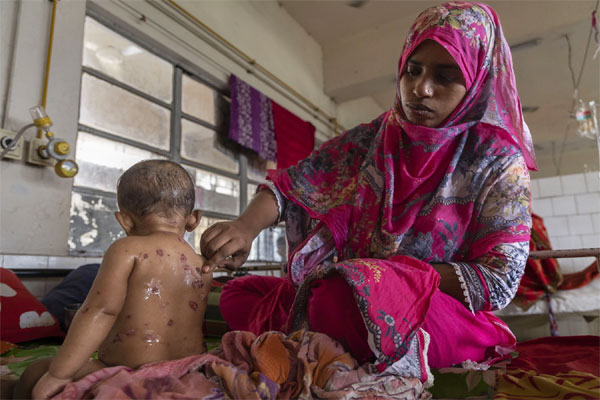
Bangladesh measles outbreak: Over 500 deaths reported amid vaccination concerns
Bangladesh is grappling with a severe measles outbreak, with over 500 suspected and confirmed deaths reported. The situation highlights challenges in vaccination coverage and disease control efforts within the country.
Key Highlights
- Measles outbreak leads to over 500 deaths in Bangladesh.
- Concerns rise over vaccination coverage and disease containment.
- Health authorities continue vaccination efforts despite campaign conclusion.
- The outbreak underscores public health challenges in the region.
Bangladesh is facing a critical public health crisis as a widespread measles outbreak has resulted in over 500 suspected and confirmed deaths, primarily among children. The escalating situation has drawn international attention and underscores significant challenges in the country's disease surveillance and vaccination programs. While the exact figures are constantly evolving, reports from various credible news outlets, including Al Jazeera and ThePrint, consistently point to a death toll exceeding the 500 mark, affecting numerous districts across Bangladesh.
The Telegraph India's report aligns with these findings, highlighting the severity of the outbreak. The situation is particularly concerning given that measles is a preventable disease through timely vaccination. The outbreak suggests potential gaps in routine immunization coverage, which could be attributed to various factors including access to healthcare, parental hesitancy, or disruptions caused by previous events like the COVID-19 pandemic. The high number of deaths indicates that a substantial portion of the susceptible population remains unvaccinated or under-vaccinated, allowing the virus to spread rapidly.
In response to the escalating crisis, health authorities in Bangladesh have been intensifying their efforts. A report from Jagonews24.com indicates that vaccination campaigns are set to continue, even after an initial campaign period has ended, signaling a commitment to address the ongoing outbreak. This proactive approach is crucial in controlling the spread of measles and preventing further fatalities. The continuation of vaccination efforts, despite the conclusion of a specific campaign, suggests a recognition of the persistent threat and the need for sustained public health interventions.
The implications of this outbreak extend beyond immediate health concerns. It raises critical questions about the resilience of Bangladesh's public health infrastructure and the effectiveness of its immunization programs in reaching all segments of the population. Factors such as socioeconomic disparities, geographical challenges in remote areas, and the logistical complexities of mass vaccination campaigns may play a role in the current situation. Furthermore, the potential for misinformation regarding vaccines could also contribute to lower uptake rates in some communities.
From an Indian audience's perspective, this outbreak serves as a stark reminder of the importance of robust public health systems and high vaccination coverage. Neighboring countries, including India, share similar demographic profiles and face comparable public health challenges. Therefore, understanding the dynamics of the measles outbreak in Bangladesh can offer valuable insights and lessons for strengthening preventive measures and response strategies in India. The interconnectedness of health in the region means that outbreaks in one country can potentially pose a risk to others, emphasizing the need for regional cooperation and vigilance.
The reported high number of deaths, exceeding 500, underscores the urgency of the situation and the critical need for enhanced public health interventions. This includes not only increased vaccination efforts but also improved disease surveillance to detect outbreaks early and respond effectively. Public awareness campaigns to address vaccine hesitancy and promote the benefits of immunization are also vital components of a comprehensive strategy. The ongoing efforts to continue vaccination suggest that the authorities are aware of the magnitude of the problem and are attempting to mitigate its impact. The effectiveness of these measures will be crucial in bringing the outbreak under control and preventing future occurrences. This event highlights the persistent global challenge of eliminating vaccine-preventable diseases, even in the presence of established vaccination programs. The focus now will be on tracking the effectiveness of the continued vaccination drive and understanding the long-term implications for child health in Bangladesh. The global community also plays a role in supporting such efforts through resource allocation and technical expertise. The situation in Bangladesh is a critical reminder of the ongoing fight against infectious diseases and the importance of sustained investment in public health infrastructure and immunization programs worldwide.
Frequently Asked Questions
What is the current situation regarding the measles outbreak in Bangladesh?
Bangladesh is experiencing a significant measles outbreak, with over 500 suspected and confirmed deaths reported, primarily affecting children. This situation highlights challenges in the country's public health system and vaccination coverage.
Is measles a preventable disease?
Yes, measles is a highly contagious but preventable disease through vaccination. The measles-mumps-rubella (MMR) vaccine is very effective in providing immunity.
What are the potential reasons for the high number of deaths?
The high death toll suggests potential gaps in routine immunization coverage, which could be due to various factors including access to healthcare, parental hesitancy, and disruptions in health services. The severity of the outbreak indicates that a significant portion of the susceptible population remains unvaccinated or under-vaccinated.
What measures are being taken to control the outbreak?
Health authorities in Bangladesh are intensifying vaccination efforts, with campaigns continuing even after their initial scheduled end. Efforts also include improved disease surveillance and public awareness campaigns.