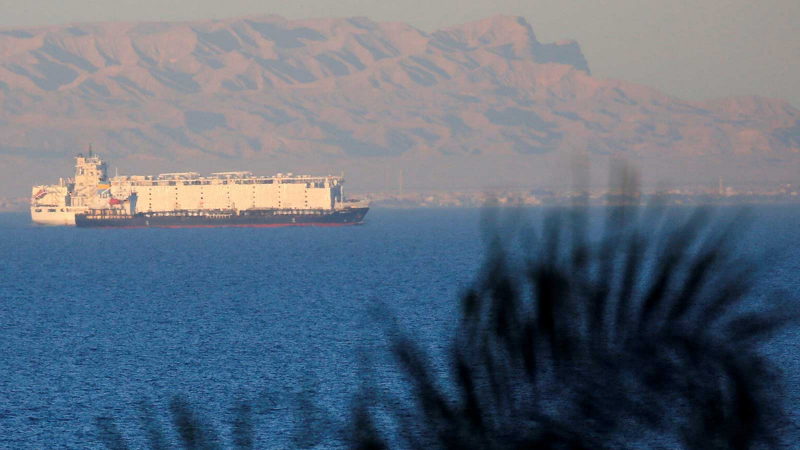
Houthi Attacks on Saudi Tankers Cause Significant Drop in Gulf Shipping
Shipping traffic through key maritime chokepoints like the Strait of Hormuz and Bab-el-Mandeb has drastically declined following Houthi claims of missile attacks on Saudi oil tankers. These incidents have intensified regional maritime insecurity, impacting global trade routes and potentially leading to renewed volatility in energy markets.
Key Highlights
- Houthi group claims missile attacks on Saudi oil tankers.
- Shipping traffic in Strait of Hormuz and Bab-el-Mandeb significantly reduced.
- Regional maritime insecurity has intensified due to Houthi actions.
- Global shipping routes are facing pressure and potential disruptions.
- Saudi Arabia has not confirmed the attacks.
- The attacks come amid a Houthi-imposed naval blockade on Saudi Arabia.
Shipping traffic through two of the world's most crucial maritime chokepoints, the Strait of Hormuz and the Bab-el-Mandeb Strait, experienced a significant reduction on Wednesday, August 6, 2026. This decline is directly attributed to claims by Yemen's Iran-aligned Houthi movement that they launched missile attacks on Saudi oil tankers. According to shipping data from Kpler, only two vessels transited the Strait of Hormuz on Wednesday, a sharp decrease from the eight vessels that passed through the previous day. Prior to the U.S.-Israeli war with Iran, which began on February 28, 2026, approximately 130 to 140 ships would typically traverse this vital waterway daily. The Bab-el-Mandeb Strait also saw a dramatic drop in activity, with only one commodity vessel, a Bahamas-flagged dry bulk carrier, crossing on Wednesday, down from 20 vessels the day before.
The Houthi group, through its military spokesman Yahya Saree, claimed responsibility for two separate missile attacks on Saudi oil tankers. One alleged strike targeted the Saudi oil tanker Wafa off the coast of Yanbu, a key Red Sea energy export hub for Saudi Arabia. Another alleged attack was directed at a Saudi oil tanker in the Gulf of Aden. These incidents are framed by the Houthis as part of their self-declared maritime blockade against Saudi Arabia, a strategy they refer to as "blockade for blockade" or "siege for a siege". The Houthis state this blockade is a response to what they describe as a Saudi siege on Yemen, an allegation that Riyadh has denied.
While the Houthis have claimed these attacks, Saudi Arabia has not officially confirmed them. However, the claims themselves have been sufficient to raise significant concerns over maritime security in the region. The United Kingdom Maritime Trade Operations (UKMTO) Centre reported an incident in the Gulf of Aden on August 5, where the master of a tanker reported hearing a loud explosion in close proximity to the vessel. Additionally, on the same day, UKMTO reported an attack off the coast of Yemen, near the Bab al-Mandeb Strait, where a vessel was attacked by an Uncrewed Surface Vessel (USV), resulting in a fire and the vessel being reported as sunk. The internationally recognized government of Yemen has blamed the Houthis for this latter incident. These events underscore the heightened maritime insecurity and the risks faced by commercial shipping in these vital waterways.
The reduction in shipping traffic is a stark indicator of the impact of these events. The significant drop in transits through the Strait of Hormuz and Bab-el-Mandeb suggests that shipping companies are increasingly avoiding the region due to elevated security risks. This disruption has the potential to put renewed pressure on global energy supply chains and could lead to renewed volatility in energy markets, especially given that Saudi Arabia is a major oil exporter.
This situation is part of a broader pattern of Houthi aggression in the Red Sea and Gulf of Aden, which has been ongoing since late 2023. The Houthis have claimed responsibility for numerous attacks on Saudi-linked vessels, with some reports indicating as many as eight or nine Saudi oil tankers targeted since the blockade began in July 2026. In addition to direct attacks on vessels, the Houthis' actions have also led to increased freight and insurance costs, with some major shipping lines rerouting vessels around the Cape of Good Hope, adding significant time and expense to deliveries. The US Defense Intelligence Agency (DIA) has reported that Houthi attacks have affected the interests of 65 countries and 29 major energy and shipping firms, highlighting the global reach of the crisis. The conflict in the Red Sea and its impact on shipping is a significant geopolitical challenge, with international naval forces working to secure these critical sea lanes.
The news of these attacks and the subsequent decline in shipping traffic is of significant relevance to India, given its extensive maritime trade through the Arabian Sea and its reliance on energy imports. Disruptions in these key shipping lanes can directly impact India's economy, increase the cost of goods, and affect its energy security. The situation necessitates close monitoring by Indian policymakers and stakeholders in the maritime and energy sectors.
Saudi Arabia has previously confirmed damage to a Saudi-operated tanker, the NCC Masa, following an attack in the Red Sea on July 24, 2026. The Houthis have also targeted Saudi infrastructure, including energy facilities in Yanbu and Jazan, and an oil refinery on Saudi's Red Sea coast, leading Saudi Aramco to suspend operations at Jazan following an attack. The scale of Houthi attacks and their impact on global trade underscore the volatility and complexity of the geopolitical situation in the Middle East.
Frequently Asked Questions
What are the main claims made by the Houthi group regarding recent attacks?
The Houthi group claims to have launched missile attacks on at least two Saudi oil tankers, the 'Wafa' and 'Daisy', off the coast of Yanbu and in the Gulf of Aden, respectively. They state these actions are part of their maritime blockade against Saudi Arabia.
What impact have these Houthi claims had on Gulf shipping traffic?
Shipping traffic through critical chokepoints like the Strait of Hormuz and the Bab-el-Mandeb Strait has significantly decreased. Data shows a sharp drop in the number of vessels transiting these waterways on August 6, 2026, compared to previous days.
Has Saudi Arabia confirmed the Houthi attacks on its tankers?
No, Saudi Arabia has not officially confirmed the Houthi claims of attacking Saudi oil tankers. However, the UKMTO has reported explosions and vessel attacks in the region, and the internationally recognized government of Yemen has blamed the Houthis for an incident where a vessel sank.
What is the broader context of these Houthi actions?
The Houthi attacks are part of their broader campaign and self-declared maritime blockade against Saudi Arabia, which they claim is in response to a Saudi siege on Yemen. These actions are occurring amidst a complex geopolitical situation involving Iran and regional conflicts, leading to heightened maritime insecurity and impacting global trade routes.