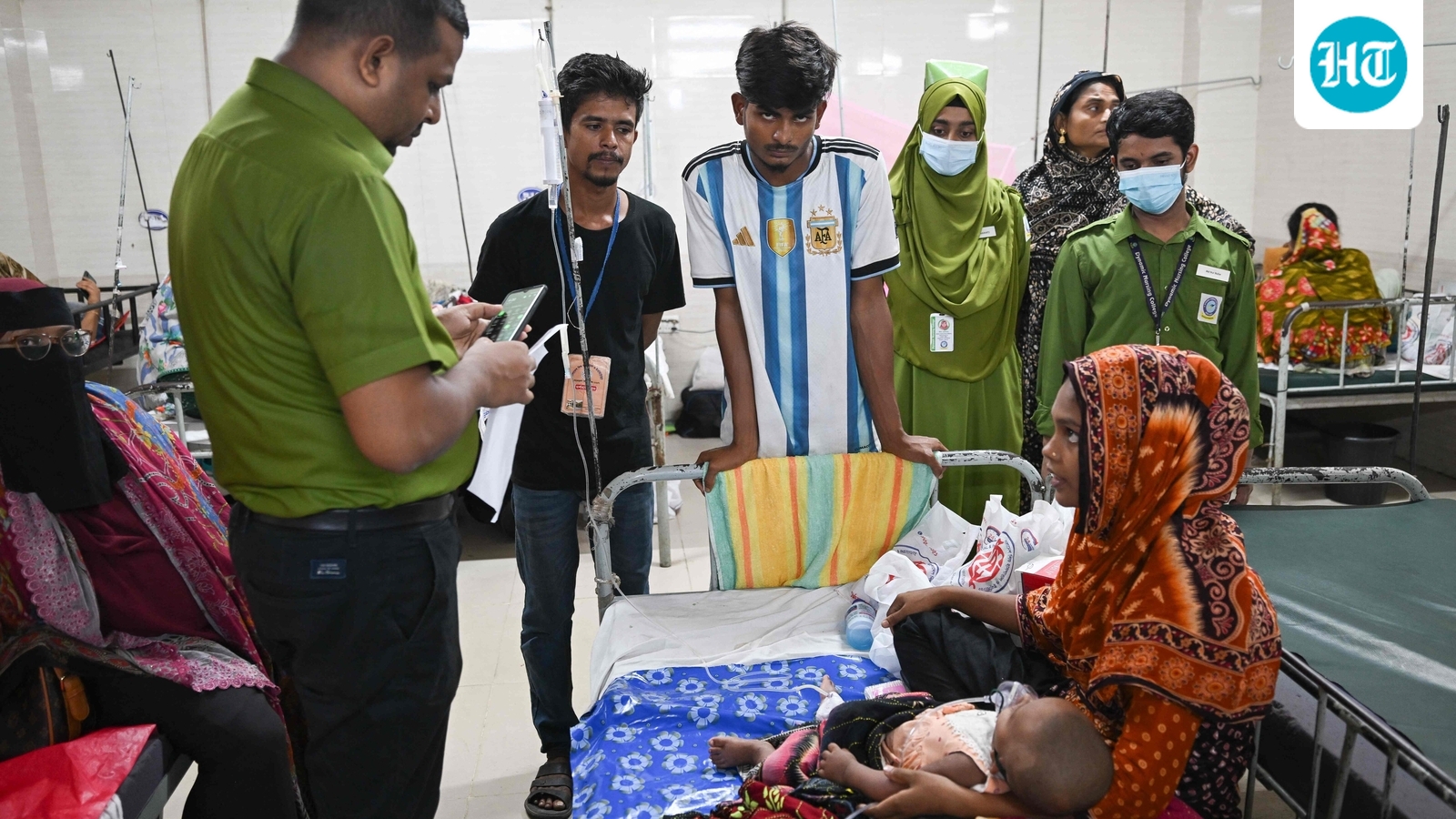
Swine Flu Surges Across India: Delhi, Punjab, Karnataka Most Affected
India is currently experiencing a significant seasonal surge in H1N1 swine flu cases, with Delhi reporting over 3,000 cases in August alone. While the Indian Council of Medical Research confirms no new virulent strain, health officials urge vigilance, particularly for vulnerable groups, and address vaccine supply concerns.
Key Highlights
- India sees a significant seasonal surge in H1N1 swine flu cases.
- Delhi records over 3,000 H1N1 cases in August.
- No new, more virulent H1N1 strain identified by ICMR.
- Vaccine shortage for Northern Hemisphere strain, alternatives recommended.
- Suspected deaths reported in Punjab and Karnataka.
- Government urges vigilance, not panic; advises preventive measures.
India is currently grappling with a notable surge in Swine Flu (Influenza A H1N1) cases, a development confirmed by Gavi, the Vaccine Alliance, in an article published on September 9, 2026. This increase is primarily attributed to seasonal influenza activity, particularly during the ongoing monsoon and post-monsoon period, which typically sees a rise in respiratory infections. While the situation is being closely monitored by health authorities, the Indian Council of Medical Research (ICMR) has clarified that there is no new or more virulent strain of H1N1 circulating in the country, advising against panic.
The capital, Delhi, has been particularly affected, reporting a significant spike with over 3,000 cases recorded in August 2026 alone. This figure represents a substantial increase compared to the previous year, with some reports indicating nearly eight times higher case counts than the same period last year. Beyond Delhi, numerous other states are experiencing a surge, including Karnataka, Kerala, Rajasthan, Punjab, Maharashtra, and Chhattisgarh. For instance, Karnataka has seen over 4,000 H1N1 cases this year, with Bengaluru accounting for more than 2,000 of them. Chhattisgarh recently reported 46 new cases, bringing its cumulative tally to 298, with Raipur being the most affected district.
Amidst the rising caseload, several suspected swine flu deaths have been reported. In Punjab, an 85-year-old man from Jalandhar, who tested positive for H1N1 and had pre-existing chronic obstructive pulmonary disease (COPD), was recorded as a suspected swine flu death. Another suspected death of a 60-year-old woman was reported in Moga, Punjab, alongside five positive cases. In June 2026, a 41-year-old man from Karnataka also succumbed to H1N1 after delayed treatment, underscoring the potential severity of the illness if care is not sought promptly. Health officials, however, emphasize that most cases are mild and self-limiting, with severe illness being more prevalent in vulnerable populations.
Vulnerable groups, including young children (especially under 5), older adults (over 65), pregnant women, and individuals with underlying health conditions such as asthma, diabetes, and heart or lung diseases, are at higher risk of developing severe complications from H1N1. The Union Health Ministry and state governments have issued advisories, urging these high-risk individuals to take extra precautions and seek early medical attention if symptoms arise.
A key challenge highlighted during this surge is the shortage of the Northern Hemisphere (NH) influenza vaccine, which closely matches the H1N1 strains currently circulating in India, as recommended by the World Health Organization (WHO) for 2026-27. The ICMR has advised that while the NH vaccine is preferable, the Southern Hemisphere (SH) vaccine, which is more readily available in India, can be used as a temporary alternative to ensure protection against H1N1 and other circulating influenza viruses. This recommendation comes amidst reports of low vaccine uptake, with only about 10,000-12,000 doses of H1N1 vaccine sold by a Pune-based manufacturer in the last six months.
Preventive measures remain crucial to curb the spread of the virus. Health authorities are advocating for good respiratory hygiene, frequent hand washing, wearing masks in crowded spaces, and staying home if symptomatic. Hospital preparedness has also been scaled up, with flu corners and isolation units activated in various hospitals, and audits of oxygen and ventilator capacity being conducted. The ICMR maintains that the current strain, A/Missouri/11/2025 (H1N1)pdm09-like, has been in circulation since 2025 and existing vaccines are effective against it. This seasonal rise in H1N1 is a recurring phenomenon in India, typically observed during the monsoon and winter months, and while cases are climbing, the government's stance is one of vigilance rather than alarm.
Frequently Asked Questions
Is there a new, more dangerous strain of Swine Flu circulating in India?
No, the Indian Council of Medical Research (ICMR) has confirmed that the current surge in H1N1 cases is not due to a new or more virulent strain. It is the familiar seasonal H1N1 virus that has been circulating for years.
Which parts of India are most affected by the current Swine Flu surge?
Delhi is experiencing a significant spike, with over 3,000 cases in August. Other states heavily affected include Karnataka, Kerala, Rajasthan, Punjab, Maharashtra, and Chhattisgarh.
Are there enough vaccines available for Swine Flu in India?
While the Northern Hemisphere (NH) vaccine, which is a better match for the currently circulating H1N1 strains, is in short supply, the ICMR has recommended using the available Southern Hemisphere (SH) vaccine as an effective alternative.
Who is most at risk from the current H1N1 surge?
Vulnerable groups include young children (under 5), older adults (over 65), pregnant women, and individuals with pre-existing medical conditions such as chronic respiratory, heart, or metabolic diseases. These groups should seek prompt medical attention if they develop flu-like symptoms.
What preventive measures should people take to avoid Swine Flu?
Health authorities advise practicing good respiratory hygiene, frequent hand washing, wearing masks in crowded places, and staying home if you are experiencing flu-like symptoms to prevent further spread.