Rapid Solar Storm Reaches Earth in 25 Hours, Triggers G4 Geomagnetic Alert | Quick Digest
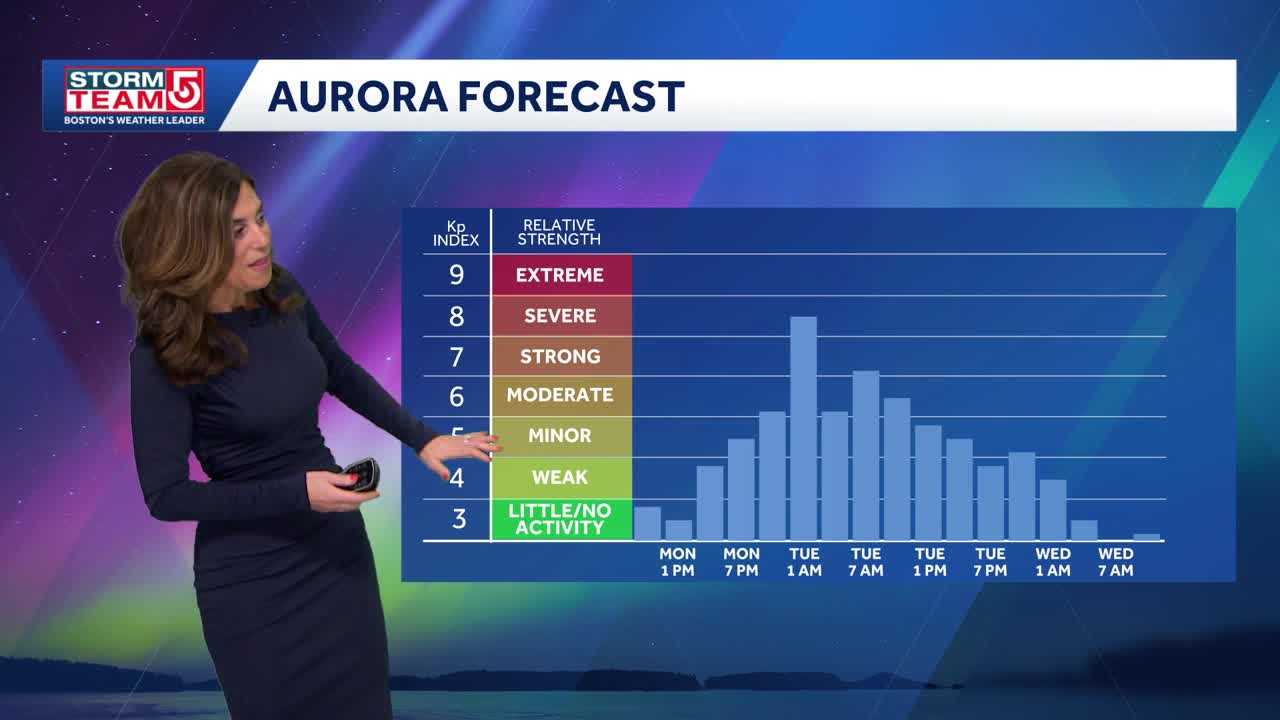
A powerful X1.9-class solar flare unleashed a Coronal Mass Ejection (CME) that reached Earth in an exceptionally fast 25 hours, far quicker than the typical several days. This rapid solar storm triggered a severe G4-class geomagnetic storm with potential global impacts on technology and stunning aurora displays.
A powerful X1.9-class solar flare erupted from sunspot AR 4341.
The Coronal Mass Ejection (CME) reached Earth in an unusually fast 25 hours.
Typical CMEs usually take several days, sometimes up to four days, to reach Earth.
The rapid solar event triggered a severe G4-class geomagnetic storm.
Potential impacts include disruptions to power grids, satellites, and GPS systems.
Spectacular auroras were expected to be visible at unusually lower latitudes globally.
A significant space weather event unfolded recently as a powerful X1.9-class solar flare erupted from sunspot AR 4341, unleashing a Coronal Mass Ejection (CME) that reached Earth in an exceptionally short span of just 25 hours. This rapid arrival is notably faster than the typical travel time for CMEs, which generally takes several days, sometimes extending up to four days, to traverse the distance from the Sun to Earth. The impact of this unusually swift CME triggered a severe G4-class geomagnetic storm, as confirmed by NOAA's Space Weather Prediction Center.
While solar flares emit radiation that reaches Earth in approximately eight minutes, CMEs involve massive clouds of solar plasma and magnetic fields that travel at varying speeds. The fastest recorded CMEs can arrive in as little as 15-18 hours, making the recent 25-hour transit time a significant and relatively rare occurrence. Geomagnetic storms of this magnitude can have widespread implications, including potential disruptions to power grids, satellite operations, and high-frequency radio communications, particularly in high-latitude regions. Beyond technological impacts, such severe storms also lead to spectacular aurora displays, which were expected to be visible at unusually low latitudes across Canada and potentially parts of the southern United States. This event underscores the dynamic nature of the Sun's activity and the importance of space weather monitoring for global infrastructure.
Read the full story on Quick Digest