India's April trade deficit hits $28.38B amid import surge, export growth
India's trade deficit widened to $28.38 billion in April 2026, driven by a surge in imports that outpaced export growth. This widening deficit is attributed to increased global energy prices due to the Middle East conflict, impacting India's import bill. Despite this, merchandise exports showed robust growth, contributing to overall export resilience.
Key Highlights
- Trade deficit in April 2026 widened to $28.38 billion.
- Imports rose significantly, driven by higher global energy prices.
- Merchandise exports showed strong year-on-year growth.
- Middle East conflict impacts trade routes and energy costs.
- Government implements measures to conserve foreign exchange.
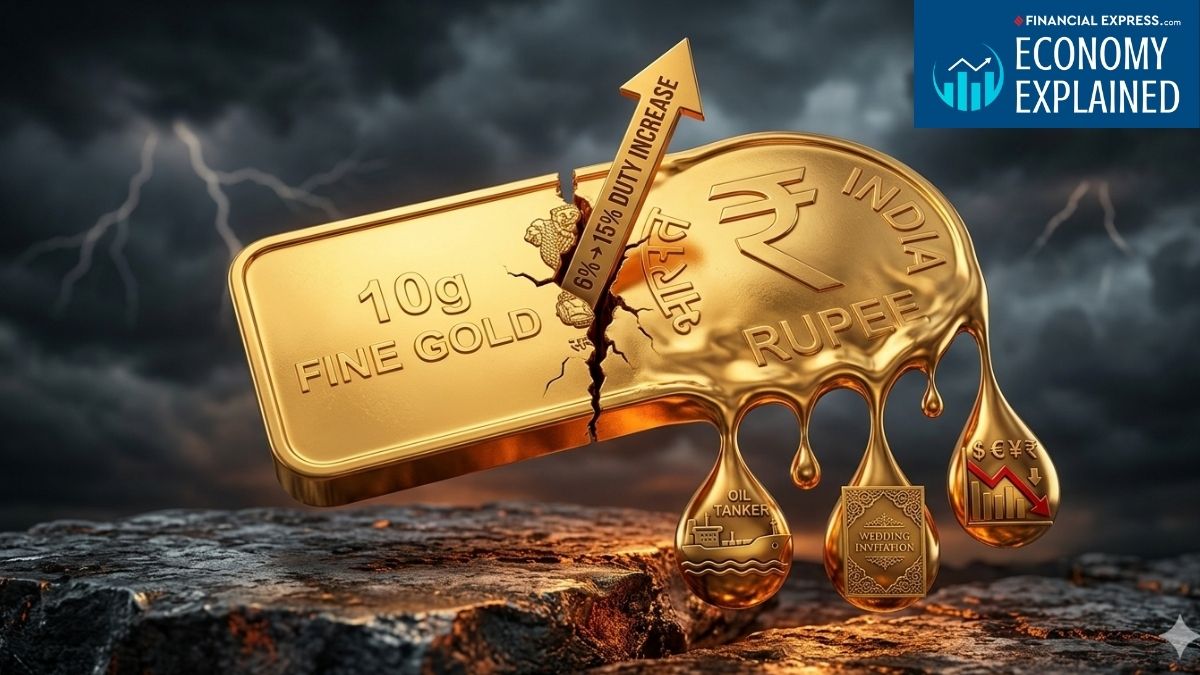
India's trade deficit significantly widened to $28.38 billion in April 2026, as reported by various financial news outlets. This expansion was primarily fueled by a substantial increase in imports, which grew by 10% year-on-year to $71.94 billion. The surge in imports is largely attributed to elevated global energy prices, a direct consequence of the ongoing conflict in the Middle East that has disrupted key trade routes and supply chains, particularly impacting the Strait of Hormuz. This geopolitical instability has led to a spike in the cost of oil, fuel, and coal, significantly increasing India's import bill. India, being a major oil importer, is particularly susceptible to these price fluctuations. The average cost of India's crude oil basket reportedly exceeded $114 a barrel in April, a substantial increase from the previous financial year. This rise in import costs has put pressure on the Indian rupee, which has experienced a significant decline, becoming Asia's worst-performing currency in 2026. Despite the widening trade gap, merchandise exports demonstrated resilience, growing by 13.8% year-on-year to $43.56 billion in April. This growth was observed across various sectors, including engineering goods, electronic goods, and petroleum products. The overall exports, including both merchandise and services, also showed a healthy increase of 13.6% to $80.8 billion in April 2026. Services exports, in particular, continued to provide a cushion, rising to $37.2 billion. The geopolitical tensions in West Asia have led to a decline in shipments to the region, with exports to West Asia decreasing by 28% and imports from the region falling by 31.64%. In response to the mounting economic pressures, the Indian government has initiated several emergency measures. These include raising retail fuel prices for the first time in four years, tightening gold import rules, and increasing import duties on precious metals to check foreign exchange outflows and support the rupee. Prime Minister Narendra Modi has also urged citizens to conserve fuel and reduce gold purchases. The government is also exploring strategies to diversify export markets and product offerings to mitigate the impact of global uncertainties. Despite these efforts, concerns remain about the sustained pressure on India's external sector, with the possibility of a prolonged period of balance of payments deficit. The widening trade gap and rising import costs are contributing to inflationary pressures, with wholesale inflation reaching an 8.3% in April. The data also indicated a significant reduction in gold imports, which fell to a near 30-year low, partly due to banks halting purchases and government measures to curb non-essential imports.
Frequently Asked Questions
What is India's trade deficit in April 2026?
India's trade deficit in April 2026 widened to $28.38 billion.
What caused the widening of India's trade deficit?
The widening trade deficit was primarily caused by a surge in imports, driven by higher global energy prices due to the ongoing Middle East conflict. This increased the country's import bill, outweighing the growth in exports.
How did exports perform in April 2026?
Despite the widening deficit, India's merchandise exports showed robust growth, increasing by 13.8% year-on-year to $43.56 billion in April 2026. Overall exports, including services, also rose significantly.
What impact has the Middle East conflict had on India's trade?
The Middle East conflict has disrupted key trade routes and supply chains, particularly impacting the Strait of Hormuz, leading to higher energy prices and increased import costs for India. Exports to and imports from the West Asian region have seen a decline.
What measures is the Indian government taking in response to the economic situation?
The Indian government has implemented emergency measures such as raising retail fuel prices, tightening gold import rules, and increasing import duties on precious metals to conserve foreign exchange reserves and support the rupee. Citizens have also been urged to conserve fuel and reduce gold purchases.