Iran Peace Talks, Blockade, and Bank Earnings Drive Market Moves
Markets are reacting to mixed signals from US-Iran peace talks, a continuing US blockade of Iranian ports, and a wave of major US bank earnings reports. Optimism around potential diplomatic progress is tempered by ongoing geopolitical tensions, which are impacting oil prices and global supply chains. Investors are closely monitoring the economic outlook provided by upcoming bank earnings.
Key Highlights
- US-Iran peace talks show mixed progress amid ongoing blockade.
- Oil prices fluctuate due to geopolitical tensions and supply concerns.
- Major US bank earnings are a key focus for economic insights.
- Global markets remain volatile due to Middle East conflict.
- India's primary concern is managing energy supply and price shocks.
Global markets are navigating a complex landscape shaped by the fluctuating hopes for peace talks between the United States and Iran, a persistent US blockade of Iranian ports, and the commencement of a crucial bank earnings season. The original article from Investing.com highlights this intricate interplay of geopolitical developments and economic indicators that are dictating market movements.
Recent reports indicate that while there are signs of potential progress in the US-Iran peace negotiations, a definitive resolution remains elusive. Pakistan has emerged as a key mediator, proposing a second round of talks before the current two-week ceasefire expires. U.S. Vice President JD Vance has acknowledged some progress, and President Donald Trump has stated that Iranian officials have reached out, expressing a desire to "make a deal." However, significant differences persist, with Iran citing "excessive U.S. demands" regarding port access and uranium enrichment, creating pessimism about a near-term resolution.
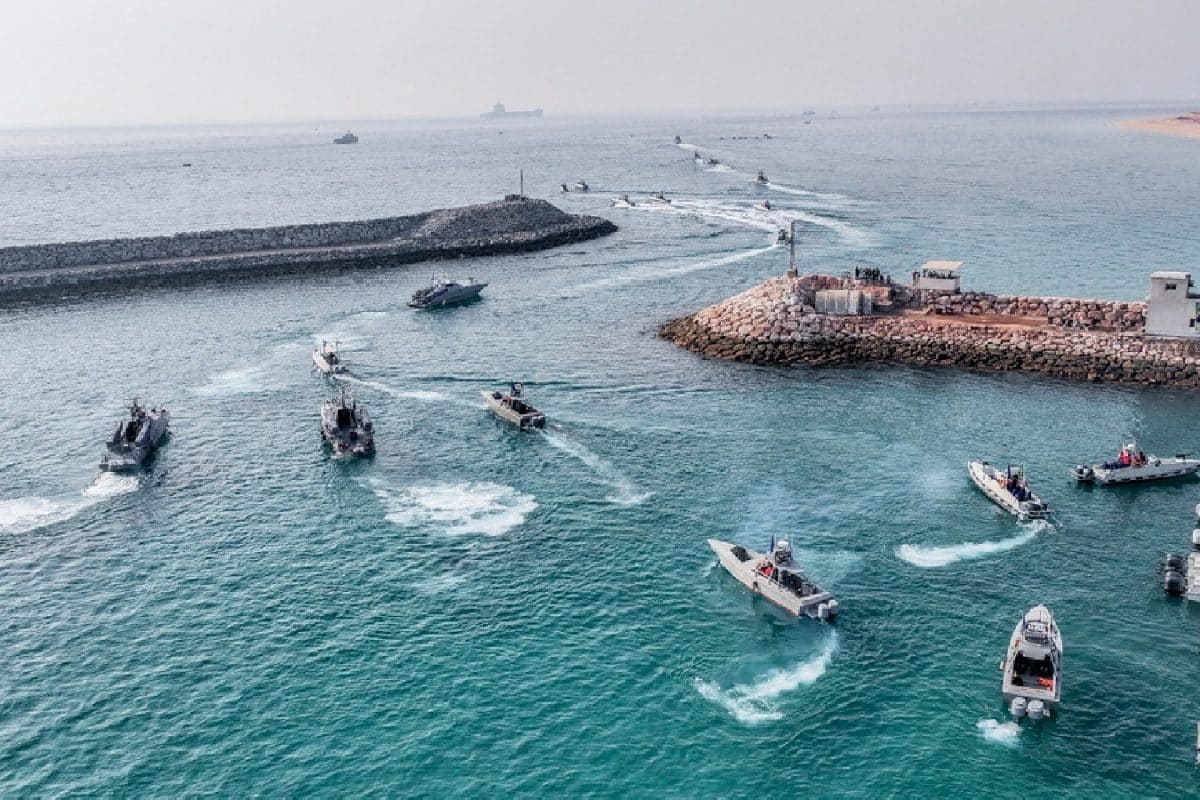
The U.S. military blockade of Iranian ports, now in its second day, continues to crimp oil shipping through the vital Strait of Hormuz. This action, intended to pressure Iran, has heightened concerns about global energy supplies and potential price surges. Experts like Patrick De Haan and Jorge Montepeque have warned that oil markets may be underpricing the risks associated with the blockade, with prices potentially reaching much higher levels if disruptions persist. The International Energy Agency (IEA) has noted that the conflict and closures have already caused significant oil supply disruptions, with a loss of 10.1 million barrels per day in March.
The ongoing geopolitical instability is having a direct impact on oil prices, which have experienced volatility, initially dipping on hopes of de-escalation but rising again due to supply concerns. Analysts are closely watching for any further developments that could affect the flow of oil and gas, which is critical for many economies.
In parallel with the geopolitical developments, the market's attention is also fixed on the first-quarter earnings season for major U.S. banks. Institutions like Goldman Sachs, JPMorgan Chase, Citigroup, Bank of America, and Morgan Stanley are releasing their financial results. These reports are crucial for assessing the health of the U.S. economy, consumer stability, credit conditions, and the broader financial landscape. Goldman Sachs, for instance, reported a record performance in equity trading, benefiting from market volatility tied to the Iran conflict. However, concerns about private credit and economic uncertainty persist, as noted by JPMorgan CEO Jamie Dimon.
The broader market sentiment has been mixed. While there's optimism surrounding potential diplomatic breakthroughs, the specter of renewed conflict and its economic fallout weighs on investors. Some analysts suggest that markets may be "tired of geopolitics" and are latching onto positive news, while others caution that complacency could falter if fundamental concerns materialize. The S&P 500 has shown resilience, returning to pre-war levels in some instances, driven by earnings expectations and underlying fundamentals.
For India, the primary focus remains on managing the consequences of the Middle East conflict, particularly concerning energy security. India's heavy reliance on Gulf oil and gas means that disruptions to the Strait of Hormuz directly impact fuel supplies and prices. While India supports the ceasefire in principle, its strategy has been centered on mitigating risks and ensuring steady energy flows rather than direct diplomatic mediation.
Overall, the market is characterized by a delicate balance between hope for de-escalation in the Middle East and the persistent risks of renewed conflict and its economic repercussions, all while navigating the insights provided by corporate earnings. The situation remains fluid, with the potential for significant shifts based on further diplomatic developments and economic data.
Frequently Asked Questions
What is the current status of the US-Iran peace talks?
As of April 14, 2026, the US-Iran peace talks are showing mixed progress. While there are reports of potential forward momentum and officials from both sides expressing a desire to reach a deal, significant differences remain, particularly regarding port access and uranium enrichment. Pakistan is actively mediating and has proposed a second round of talks.
How is the US blockade of Iranian ports affecting global markets?
The ongoing US blockade of Iranian ports, particularly impacting the Strait of Hormuz, is causing concerns about global oil and gas supply disruptions. This has led to volatility in oil prices and is a key factor contributing to market uncertainty.
Which major US banks are releasing earnings reports, and why are they important?
Major US banks like Goldman Sachs, JPMorgan Chase, Citigroup, Bank of America, and Morgan Stanley are releasing their first-quarter earnings. These reports are crucial for investors as they provide insights into the health of the US economy, consumer behavior, and credit conditions.
What is India's primary concern regarding the US-Iran conflict?
India's main concern is managing the consequences of the conflict, especially concerning energy security. Given its heavy reliance on Gulf oil and gas, India is focused on ensuring steady fuel supplies and cushioning price shocks rather than direct diplomatic mediation.
What is the overall sentiment in the global markets regarding the US-Iran situation?
Market sentiment is mixed, with optimism stemming from hopes of diplomatic progress tempered by the ongoing geopolitical risks and potential for escalation. While some investors are focused on earnings and a potential de-escalation, others remain cautious due to persistent economic and geopolitical uncertainties.