Pakistan Army Chief Asim Munir's 'Purpose' Remarks Spark Concern | Quick Digest
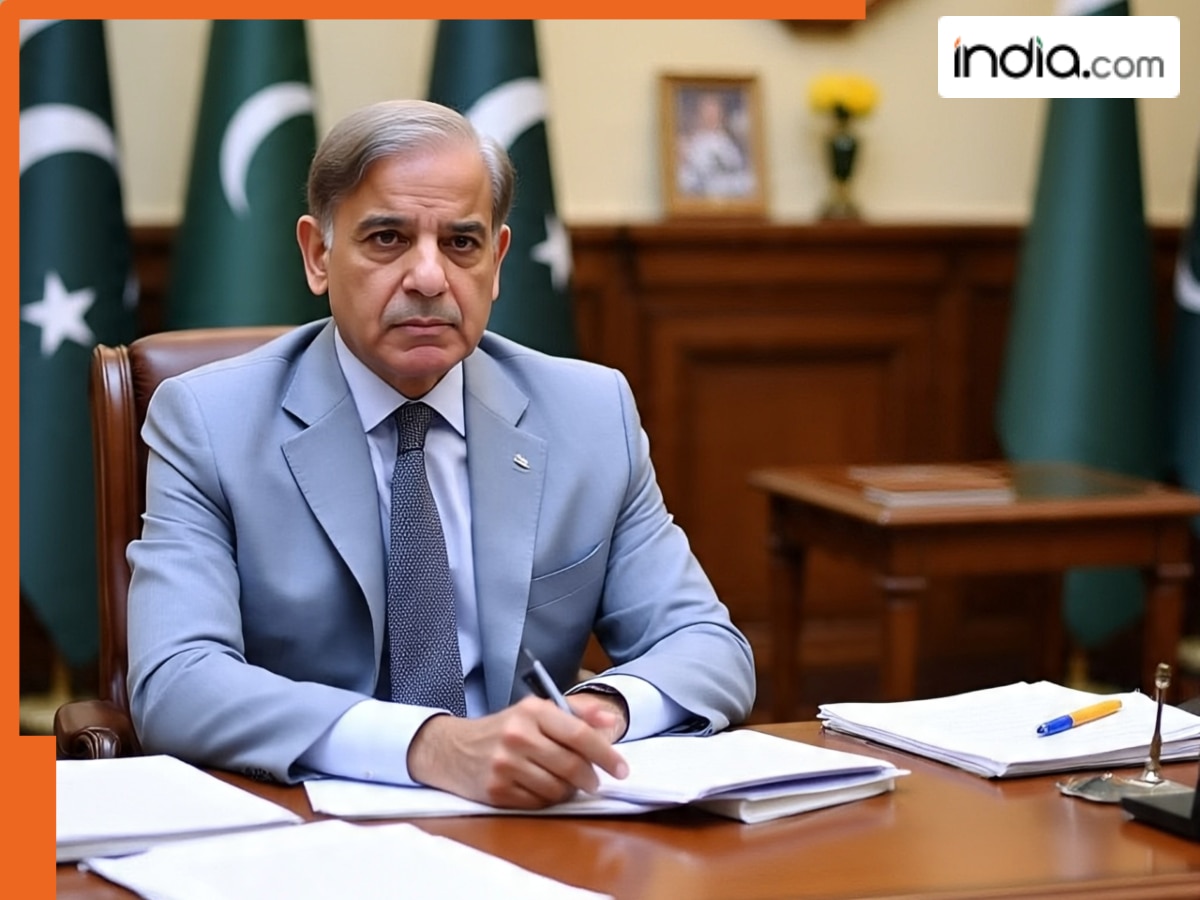
Pakistan's Army Chief, Asim Munir, has reaffirmed the nation's Islamic purpose, linking it to the Two-Nation Theory. His rhetoric, emphasizing Pakistan's unique status among Muslim nations and its capability to achieve its objectives, has raised significant regional and international alarm, particularly in India.
Munir reiterated Pakistan's creation in the name of Islam, affirming its 'noble purpose'.
He emphasized the Two-Nation Theory, distinguishing Pakistan from India based on identity.
Army Chief's remarks on Pakistan achieving its 'destination' raised regional alarm.
Munir advocated for Muslim unity and offered Pakistan's military expertise to Islamic nations.
His statements are viewed as a resurgence of Islamist rhetoric in Pakistan's military discourse.
Pakistan's Army Chief, General Asim Munir, has recently made a series of ideologically charged statements, significantly influencing regional and international discourse. He affirmed that Pakistan was created in the name of Islam and has been 'bestowed with a historic opportunity by Almighty Allah to achieve the noble purpose for which it was created,' moving 'rapidly towards that destination'. Munir underscored Pakistan's special status and importance among Islamic countries, asserting its capability to effectively counter terrorism.
During an address at the Overseas Pakistanis Convention, Munir explicitly revived the Two-Nation Theory, stating that 'our forefathers thought we were different from Hindus in every possible aspect of life' and that 'We are two nations, we are not one nation'. This rhetoric is particularly concerning for India, as it echoes the foundational ideological divide between the two nuclear-armed neighbors.
Further escalating regional anxieties, Munir, during a visit to Libya, called for Muslim countries to unite against 'enemies of Allah' and presented Pakistan as a leading security provider within the Islamic world, offering its military capabilities and defence technologies. He invoked Quranic verses to justify assertive action and claimed divine intervention prevented an escalation during a past military confrontation with India. These statements reflect a clear intent to intertwine Pakistan's national identity with its Islamic heritage and project its military influence beyond South Asia. The recurring emphasis on religious ideology in military leadership's public statements signals a potentially worrying shift in Pakistan's strategic outlook.
Read the full story on Quick Digest