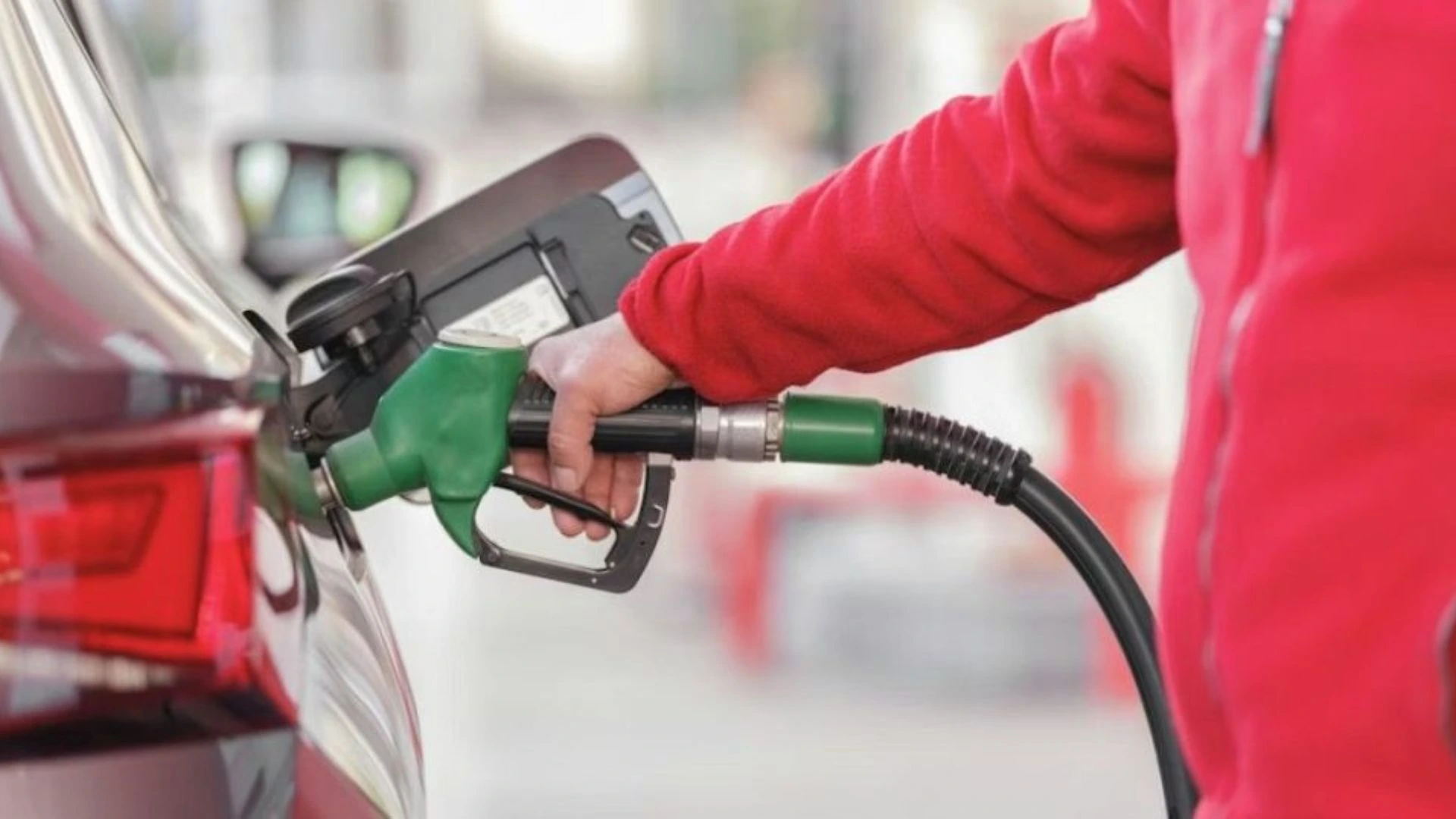
Petrol, Diesel Prices Hike by 90 Paise, Second Rise in a Week
Indian consumers face a second fuel price hike in less than a week, with petrol and diesel increasing by approximately 90 paise per litre on May 19, 2026. This follows a ₹3 hike on May 15, ending a four-year freeze, driven by surging global crude prices and oil companies' mounting losses.
Key Highlights
- Petrol and diesel prices rose by about 90 paise per litre on May 19, 2026.
- This marks the second fuel price increase in India within a week.
- The initial hike of ₹3 per litre occurred on May 15, 2026, after a four-year freeze.
- Surging global crude oil prices, fueled by the West Asia crisis, are the primary cause.
- Oil Marketing Companies (OMCs) were incurring daily losses of ₹750 crore.
- Prices are now at their highest level since May 2022 across major cities.
Indian consumers are grappling with a significant increase in fuel costs as petrol and diesel prices were hiked by approximately 90 paise per litre on Tuesday, May 19, 2026. This latest adjustment marks the second such increase within a span of less than a week, ending a prolonged period of price stability. The initial hike, a substantial ₹3 per litre for both petrol and diesel, was implemented on Friday, May 15, 2026, by state-run oil marketing companies (OMCs).
The primary driver behind these successive price revisions is the relentless surge in global crude oil prices. Geopolitical tensions, particularly the ongoing crisis in West Asia, have played a crucial role, causing disruptions in crude flows through the strategically vital Strait of Hormuz. Global crude prices have reportedly escalated by more than 50% since February 28, placing immense pressure on import-dependent nations like India. India imports approximately 85% of its crude oil requirements, making its domestic fuel prices highly susceptible to international market fluctuations.
For nearly four years, state-owned fuel retailers had largely maintained a freeze on petrol and diesel prices, a period that notably coincided with various state elections. This price stability came at a significant cost to the OMCs, which absorbed substantial losses (under-recoveries) by selling fuel below procurement cost. Prior to the first hike on May 15, these companies were reportedly incurring daily losses of nearly ₹1,000 crore. The initial ₹3 per litre increase helped to partially alleviate this burden, reducing the daily under-recoveries to approximately ₹750 crore, as stated by Sujata Sharma, Joint Secretary in the Ministry of Petroleum and Natural Gas, on Monday, May 18, 2026. The subsequent 90 paise hike is a further attempt to mitigate these mounting losses and align retail prices with international crude costs.
The impact of these price increases is immediately felt by consumers across the country. In the national capital, Delhi, petrol prices climbed by 87 paise to ₹98.64 per litre from ₹97.77, while diesel became dearer by 91 paise, rising to ₹91.58 per litre from ₹90.67, according to industry sources. Other major metropolitan areas also witnessed similar, varying increases. Mumbai saw petrol rise by 91 paise to ₹107.59 per litre and diesel by 94 paise to ₹94.08 per litre. Kolkata experienced the steepest hike in petrol, up 96 paise to ₹109.70 per litre, with diesel also increasing by 94 paise to ₹96.07. In Chennai, petrol rates rose by 82 paise to ₹104.49 per litre, and diesel by 86 paise to ₹96.11. Following these revisions, petrol and diesel prices have reached their highest levels since May 2022, except for a one-off reduction of ₹2 per litre for both fuels in March 2024, just before the Lok Sabha elections.
The timing of these hikes, immediately following elections where the ruling BJP expanded its influence, has drawn political attention, with opposition parties previously suggesting that prices were kept artificially low for electoral considerations. The government, however, stated that the freeze was aimed at shielding price-sensitive consumers from higher global energy costs. The broader economic ramifications are significant, as increased fuel costs directly contribute to inflationary pressures across various sectors, impacting the prices of everyday essentials from food to transport. This is evident as the related articles highlight concerns about inflation and the rising cost of goods like milk and ACs.
In response to the escalating energy prices, Prime Minister Narendra Modi reportedly urged for fuel conservation, promoting work-from-home practices and reduced travel just last week, as higher energy prices strain India's foreign exchange reserves and threaten to widen the current account deficit. Moreover, private fuel retailers such as Nayara Energy and Shell had already increased their pump prices in March and April, respectively, well before the state-run companies initiated their revisions. Analysts predict that the recent hikes may only be the beginning of a broader fuel price adjustment cycle, with warnings of potential cumulative hikes of 10-15% if global crude oil prices remain elevated, further stressing household budgets and manufacturing costs. The current increases offer only partial relief to OMCs, who continue to absorb significant losses, indicating the possibility of further adjustments in the future.
Frequently Asked Questions
Why have petrol and diesel prices been hiked again in India?
Petrol and diesel prices have been hiked due to a significant surge in global crude oil prices, primarily driven by the ongoing West Asia crisis disrupting supplies. State-run oil marketing companies (OMCs) were also incurring substantial daily losses by selling fuel below cost, which these hikes aim to partially recover.
When was the last fuel price hike before this 90 paise increase?
Before the approximately 90 paise per litre increase on May 19, 2026, petrol and diesel prices were hiked by ₹3 per litre on May 15, 2026. This marked the end of a nearly four-year freeze on fuel price revisions by state-run oil companies.
What are the current petrol and diesel prices in major Indian cities after the hike?
As of May 19, 2026, petrol in Delhi rose to ₹98.64 per litre and diesel to ₹91.58 per litre. In Mumbai, petrol costs ₹107.59 and diesel ₹94.08. Kolkata saw petrol at ₹109.70 and diesel at ₹96.07, while Chennai recorded petrol at ₹104.49 and diesel at ₹96.11.
How do these price increases impact Indian oil companies?
These price increases are intended to help state-run Oil Marketing Companies (OMCs) recover mounting losses. Before the initial hike, OMCs were losing around ₹1,000 crore daily. After the May 15th hike, these daily under-recoveries were reduced to approximately ₹750 crore. The latest hike further contributes to mitigating these losses.
What is the broader economic impact of these fuel price hikes in India?
The fuel price hikes are expected to significantly contribute to inflation, making everyday essentials more expensive. As India heavily relies on crude oil imports, rising international prices strain the country's foreign exchange reserves and threaten to widen its current account deficit. This situation puts pressure on household budgets and various sectors of the economy.