US-India Interim Trade Deal: Tariffs, Oil, and Farm Sector Impacts
India and the United States recently announced an interim trade agreement, addressing long-standing issues concerning tariffs, energy imports, and agricultural market access. The deal aims to boost bilateral trade while safeguarding India's sensitive sectors and strategic autonomy, despite some concerns raised by farmer groups and critics.
Key Highlights
- US reduces tariffs on Indian goods to 18%, down from 50%.
- India cuts duties on US luxury cars and removes tariffs on Harley-Davidson.
- India to phase out tariffs on farm processing inputs over 10 years.
- Sensitive agricultural sectors in India remain protected from most US imports.
- US removes punitive tariffs linked to India's Russian oil purchases.
- India commits to diversify energy sources, including US crude.
An interim trade agreement framework between India and the United States was formally announced around February 6, 2026, aiming to resolve persistent trade disputes and deepen economic ties between the two nations. The original BBC article, likely published prior to this announcement, highlighted uncertainties surrounding 'oil, tariffs and farming' in the context of US-India trade discussions. The recent agreement has now clarified many of these 'unknowns,' establishing a new framework for bilateral commerce.
**Tariff Reductions and Market Access:**
Under the new agreement, the United States has committed to lowering the reciprocal tariff rate on most Indian-origin goods to 18%, a significant reduction from previous rates that could go as high as 50%. This substantial tariff relief applies to a broad range of Indian exports, including textiles and apparel, leather and footwear, gems and jewellery, pharmaceuticals, and home décor, enhancing India's competitiveness in the US market. Specifically, sectors like textiles and machinery will benefit from improved access, with silk, for example, gaining 0% duty access. Overall, India gains 18% tariff access on approximately $900 billion worth of US global imports, zero duty on $150 billion, and exemption from additional duties on $720 billion worth of imports.
In return, India has agreed to phased tariff cuts on various American products. Tariffs on large gasoline-powered American luxury cars (with engine capacities above 3,000cc) will be gradually reduced from 110% to 30% over a 10-year period. Crucially, all import duties on Harley-Davidson motorcycles manufactured in the US will be removed, a long-standing demand from the US side. However, electric vehicles (EVs), such as Tesla models, remain excluded from these tariff concessions unless manufacturers commit to local production in India, reflecting India's policy to promote domestic EV manufacturing. India also plans to reduce and eliminate non-tariff barriers on US exports of ICT goods and medical devices.
**Agriculture and Farming Sector Implications:**
The agricultural sector was a key point of negotiation. The Indian government has emphasized that the deal carefully safeguards the interests of domestic farmers and sensitive agricultural industries. Highly sensitive sectors such as meat, poultry, dairy products, genetically modified (GM) food products, soyameal, maize, most cereals, pulses, oilseeds, and tobacco remain fully protected under a meticulously crafted exemption category. Union Agriculture Minister Shivraj Singh Chouhan affirmed that no product that could adversely impact Indian farmers has been included, and genetically modified imports are strictly prohibited.
India has secured zero additional duty access for $1.36 billion worth of its agricultural exports to the US, including spices, tea, coffee, coconut oil, various fruits (like avocados, bananas, mangoes), nuts (cashews, chestnuts), and processed foods. In a move to provide adjustment space for domestic stakeholders, India will phase out tariffs on certain intermediate agricultural products used by its food processing industry over a period of up to ten years.
Despite these assurances, farmer organizations and food security activists have expressed concerns. They argue that India's agreement to eliminate or reduce tariffs on a 'wide range of US food and agricultural products,' including dried distillers' grains (DDGS), red sorghum for animal feed, tree nuts, fresh and processed fruit, soybean oil, wine, and spirits, could potentially depress domestic prices and negatively impact Indian farmers, particularly those growing maize, jowar, and soybean. There are also worries that imports of DDGS, largely derived from GM corn in the US, could indirectly introduce GM products into India, despite India's stance against GM imports.
**Oil Imports and Strategic Autonomy:**
A significant aspect of the agreement concerns India's energy sourcing, particularly its imports of Russian crude oil. The US had previously imposed a 25% punitive tariff on Indian goods, linking it to India's purchases of Russian oil. This punitive tariff has now been removed. In return, India has signaled an intention to wind down its direct or indirect purchases of Russian oil, pivoting towards alternative supplies, including US crude. Data indicates a fall in Russian crude imports to India, with a Bloomberg report suggesting a potential 50% drop following the deal's finalization.
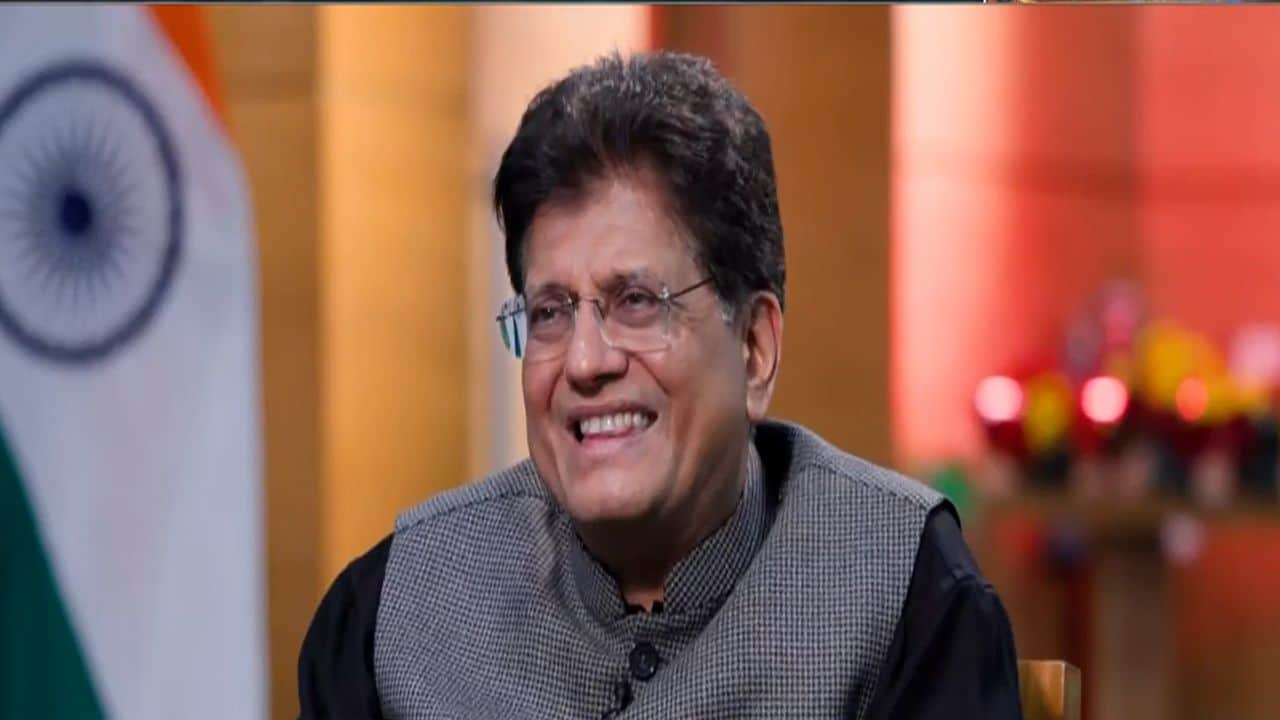
However, Indian Commerce Minister Piyush Goyal has consistently maintained that India's energy procurement and the trade deal are separate issues, emphasizing India's sovereign right to maintain a diversified crude basket based on national interests and energy security. Foreign Secretary Vikram Misri also stated that India would continue to source energy from a host of suppliers. This indicates a nuanced position where India aims to balance its strategic energy needs with improving trade relations with the US.
**Overall Impact and Future Outlook:**
The interim agreement is seen as a crucial step towards a more comprehensive bilateral trade agreement. India has also expressed its intention to purchase $500 billion worth of US energy products, aircraft and aircraft parts, precious metals, technology products, and coking coal over the next five years. However, the Indian government has clarified that this $500 billion figure represents a broad estimate of increasing economic needs and competitive US supplies, not a binding legal commitment. While some analysts view the deal as a potential blow to India's strategic autonomy, others suggest it reflects a more confident India willing to navigate the global economic order based on mutual benefit. The agreement improves US-India relations, though some analysts suggest a return to the warmth of previous administrations might be challenging. The deal aims to boost India's export growth and strengthen economic ties with the US, which was India's largest trading partner in 2024.
**Credibility and Fact Check Status:**
The information is largely verified by multiple credible Indian and international news sources, official government statements (via PIB), and analyses from economic experts. The main points of contention or "unknowns" highlighted in the BBC article have been addressed by the terms of the interim agreement and subsequent clarifications from the Indian government. The headline of the BBC article was accurate at the time of its likely publication (pre-deal announcement) as it questioned ongoing uncertainties. The current analysis clarifies these points with real-time information.
**Date of Publication for context:** The interim trade agreement framework was announced around February 6, 2026. Many of the detailed reports and clarifications emerged between February 6-9, 2026. Therefore, while the original BBC article's date is not explicitly found, the context provided is from this recent period. The 'publishedDate' refers to the date of the primary announcement of the trade deal framework.
Frequently Asked Questions
What are the key tariff changes in the new India-US trade deal?
The US will reduce tariffs on most Indian goods to 18% from up to 50%, while India will cut duties on US luxury cars (from 110% to 30%) and eliminate tariffs on Harley-Davidson motorcycles.
How does the trade deal impact India's agricultural sector?
India has secured zero additional duty on $1.36 billion of its agricultural exports to the US, including spices and certain fruits. While highly sensitive sectors like dairy, poultry, and most cereals remain protected, farmer groups are concerned about increased imports of certain US agricultural products like DDGS and soybean oil.
What is the agreement's stance on India's oil imports from Russia?
The US has removed a 25% punitive tariff on Indian goods linked to Russian oil purchases. India has indicated a move to diversify energy sources, including US crude, though Indian officials maintain that oil procurement decisions are based on national interest and diversification, separate from the trade deal.
Are electric vehicles included in India's tariff concessions for US automobiles?
No, electric vehicles (EVs) are explicitly excluded from the tariff concessions in the interim agreement. This decision supports India's policy of promoting domestic EV manufacturing, meaning brands like Tesla would still face high import duties unless they commit to local production.
Does the deal compromise India's strategic autonomy?
Critics have raised concerns about the deal potentially impacting India's strategic autonomy, particularly regarding energy sourcing and agricultural concessions. However, the Indian government asserts that its strategic autonomy remains intact, and trade decisions are guided by national interests and commercial logic, not external pressure.