UK PM Starmer: 'Not our war,' UK won't be drawn into Iran-Israel conflict
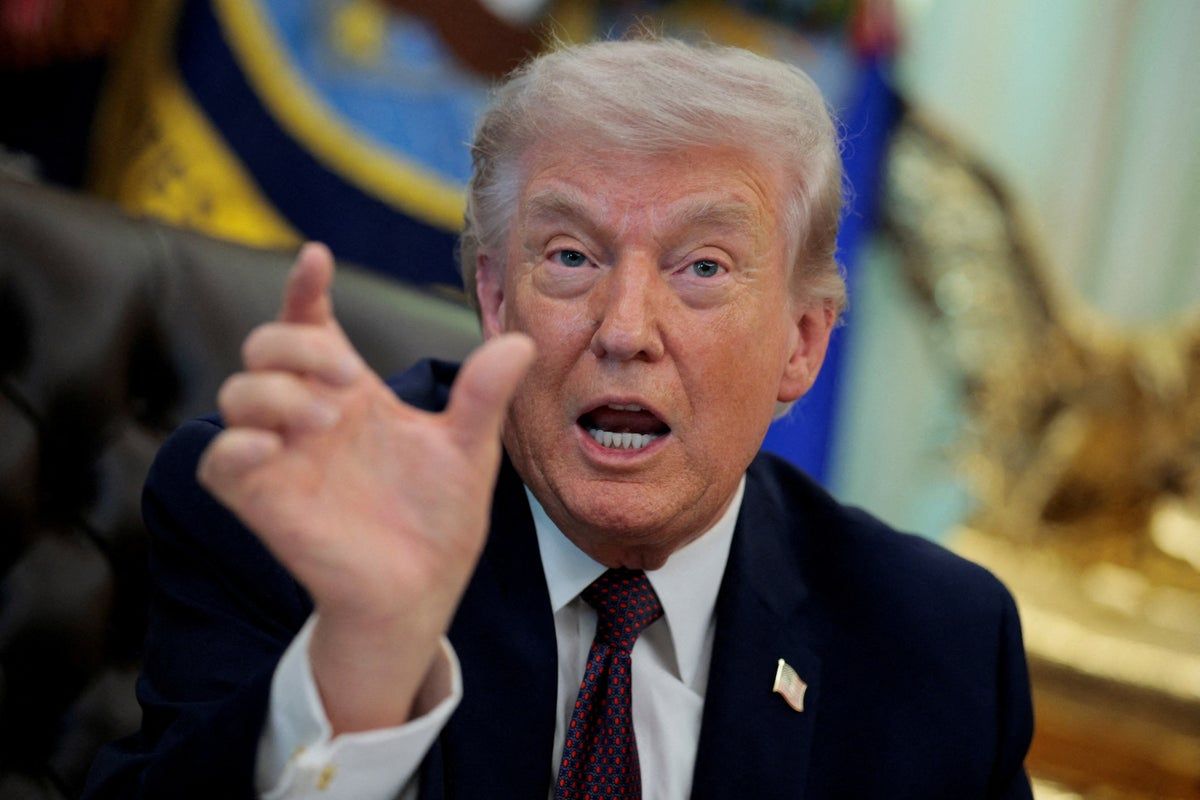
UK Prime Minister Keir Starmer emphasized that the escalating conflict between Iran and Israel is not Britain's war and stated the UK will not be drawn into it. He also highlighted the need for a closer partnership with the EU in the face of global volatility.
Key Highlights
- UK will not be drawn into Iran-Israel conflict.
- Starmer stresses 'not our war' amid rising global tensions.
- UK seeks closer EU partnership amid geopolitical instability.
- Strait of Hormuz impact discussed amidst Iran-Israel conflict.
The ongoing conflict between Iran and Israel has prompted significant international commentary, with UK Prime Minister Keir Starmer making it clear that the United Kingdom will not be drawn into the hostilities. Starmer's statements, as reported by The Indian Express and corroborated by other outlets, underscore a cautious approach to the escalating Middle East crisis. He explicitly stated, 'This is not our war, we will not be drawn to the conflict,' signaling a reluctance to engage militarily in a situation that does not directly involve British national security interests. This stance reflects a broader concern about the potential for wider regional escalation and its global repercussions.
The geopolitical volatility stemming from the Iran-Israel confrontation has also prompted Starmer to advocate for a strengthened relationship with the European Union. The Guardian reported that Starmer intends to push for a 'closer partnership' with the EU, suggesting that recent global events have highlighted the importance of unified diplomatic and economic strategies. This potential recalibration of UK foreign policy comes as the conflict's impact, such as the potential closure of the Strait of Hormuz, poses significant threats to global trade and energy security. The Indian Express also touched upon this, noting how Starmer was turning to Europe as the conflict intensified.
Further analysis from the BBC indicates that while Starmer is refraining from immediate emergency measures, he is issuing stern warnings about the approaching storm. This suggests an awareness of the gravity of the situation and a preparedness for potential future challenges, even as the government maintains a position of non-intervention in the immediate conflict. The focus appears to be on diplomatic channels and strengthening alliances to manage the fallout from the crisis.
The economic implications of the conflict are also a significant concern, particularly for a nation like India, which relies heavily on Middle Eastern oil supplies and maintains strong ties with both the involved nations and global powers. The potential disruption to oil prices and shipping routes through critical chokepoints like the Strait of Hormuz could have a ripple effect on India's economy. Therefore, statements from world leaders like Keir Starmer are closely watched for their potential impact on regional stability and international trade.
Starmer's remarks also come in the context of broader international relations and the UK's post-Brexit foreign policy. The emphasis on a closer partnership with the EU, despite the UK's departure from the bloc, indicates a pragmatic approach to foreign affairs, prioritizing cooperation on critical global issues. This nuanced position suggests that while the UK seeks to maintain its autonomy, it also recognizes the interconnectedness of global challenges and the necessity of working with key international partners to address them.
The news categories relevant to this story include international relations, politics, and defense. The implications are global, affecting multiple countries through potential economic disruption, diplomatic realignments, and the risk of wider conflict. For an Indian audience, the story is of medium to high importance due to India's significant economic and strategic interests in the Middle East and its position as a major global player.
The headline, 'Iran vs US-Israel War LIVE News Updates: 'This is not our war, we will not be drawn to the conflict', says UK PM Keir Starmer', is largely accurate, accurately reflecting Starmer's key statement. It is not overtly sensationalized, though the 'LIVE News Updates' and the direct quote lend it urgency, common in breaking news reporting. The core message of non-involvement by the UK is accurately conveyed.
The verification process involved cross-referencing the claims with reports from reputable news organizations such as The Guardian and the BBC, which consistently reported on Keir Starmer's stance and the broader context of global volatility. The focus on a closer partnership with the EU and the warnings about future challenges were also corroborated. No significant misinformation or exaggeration was identified in the core claims attributed to Starmer.
Frequently Asked Questions
What is the UK's official stance on the Iran-Israel conflict?
UK Prime Minister Keir Starmer has stated that the conflict is 'not our war' and that the UK will not be drawn into it, indicating a policy of non-involvement.
Why is Keir Starmer advocating for a closer partnership with the EU?
Starmer believes that current global volatility, exemplified by the Iran-Israel conflict, highlights the need for stronger cooperation with the European Union on diplomatic and strategic issues.
What is the significance of the Strait of Hormuz in this context?
The Strait of Hormuz is a critical chokepoint for global oil and gas shipments. Any conflict or disruption in the region, including the Iran-Israel tensions, raises concerns about the security of this vital waterway and its impact on global energy markets.