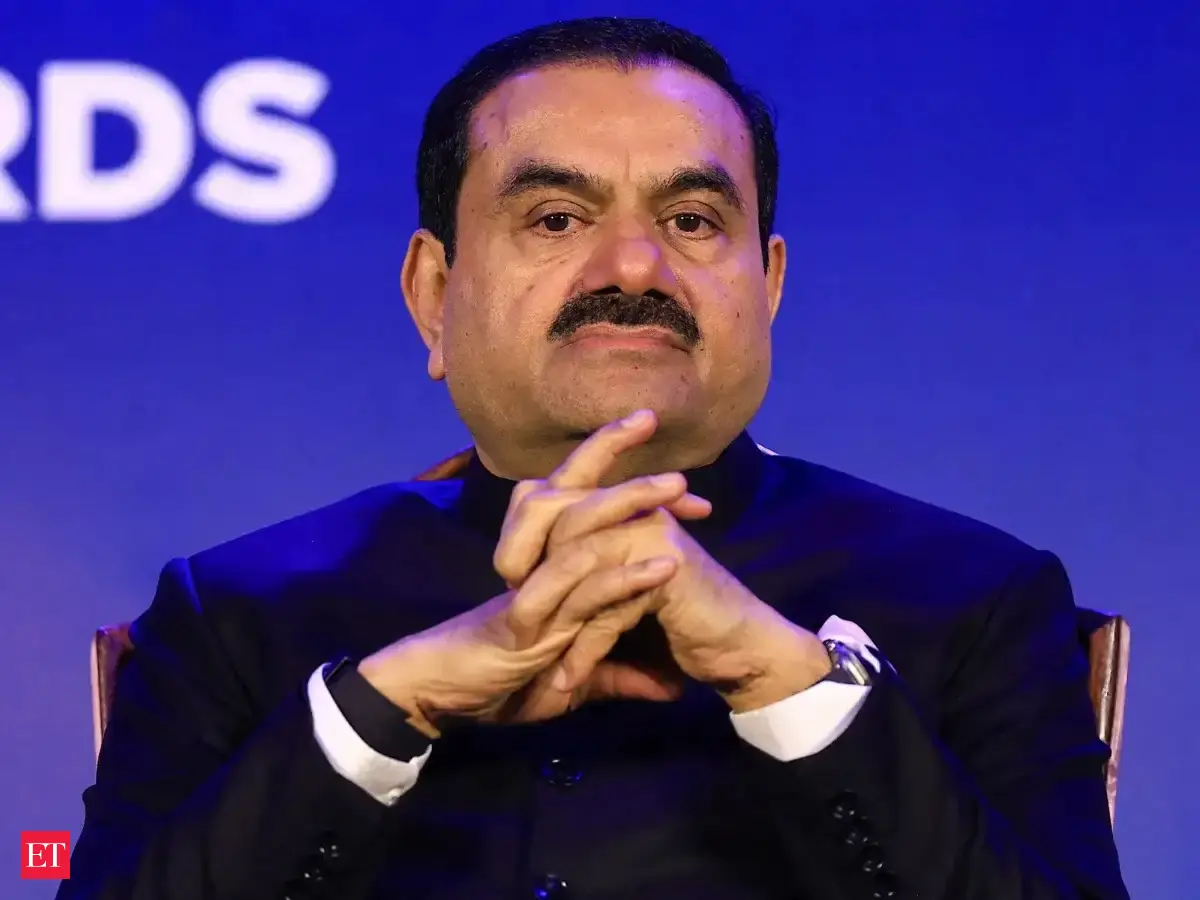
Adani Airports to Invest ₹20,000 Crore in Six Integrated Airport Cities
Adani Airport Holdings will invest over ₹20,000 crore in the first phase of developing integrated 'airport cities' across six major Indian airports. These projects, spanning over 655 acres, aim to transform aviation hubs into vibrant economic and urban destinations featuring hospitality, retail, and commercial facilities.
Key Highlights
- Adani Airports to invest over ₹20,000 crore in first phase of airport city development.
- Projects will span 655 acres across six airports in five Indian states.
- Locations include Mumbai, Navi Mumbai, Ahmedabad, Lucknow, Jaipur, and Guwahati.
- Developments will feature hospitality, retail, entertainment, and commercial infrastructure.
- Nearly 70% of the investment is earmarked for Mumbai and Navi Mumbai.
- Initiative draws inspiration from global airport-city models like Changi and Schiphol.
Adani Airport Holdings Ltd (AAHL), India's largest private airport operator, has announced a substantial investment exceeding ₹20,000 crore (approximately $2.1 billion to $2.4 billion) in the first phase of its ambitious 'airport city' development program across India. This large-scale urban development initiative, spearheaded by Adani Airport City Limited (AACL), a wholly-owned subsidiary of AAHL, aims to transform traditional airport hubs into integrated economic and urban destinations.
The projects are planned to span over 655 acres of land across six strategically important airports situated in five Indian states. The identified airports for these integrated developments include Mumbai, Navi Mumbai, Ahmedabad, Lucknow, Jaipur, and Guwahati. A significant portion of this initial investment, close to 70%, is slated for the Mumbai Metropolitan Region (MMR), encompassing Mumbai and Navi Mumbai airports, which together account for approximately 440 acres of the total land bank designated for these projects. This concentration underscores the MMR's pivotal role as India's leading commercial, financial, and aviation gateway.
The 'airport cities,' also known as aerotropolises, are conceptualized as comprehensive, mixed-use urban districts. They are designed to integrate a wide array of facilities including hospitality (hotels), diverse retail outlets, entertainment venues, state-of-the-art convention centers, and commercial infrastructure such as office spaces. The vision is to create seamlessly connected, walkable urban environments that are integrated with the existing airport, metro, and city transport networks, thereby enhancing accessibility for travelers, businesses, and local communities alike.
These developments draw inspiration from globally successful airport districts, citing examples such as Singapore's Changi Airport, Dubai International, Amsterdam's Schiphol Airport, and Seoul's Incheon International Airport. The aim is to replicate an airport-led development model that extends beyond traditional aviation functions, fostering economic activity, driving tourism, attracting investments, generating employment, and contributing to the overall urban growth of the regions they serve. Adani Airport Holdings Director, Jeet Adani, emphasized that airports have a significant opportunity to create value far beyond just aviation, serving as catalysts for long-term growth.
In line with this expansive vision, AAHL has already secured hotel management agreements with IHG Hotels & Resorts for five luxury and premium properties, including the introduction of the Kimpton brand in India, as part of this airport city initiative. The company is also actively engaging with various domestic and international partners in the hospitality, food and beverage, retail, and entertainment sectors to further enrich these developments.
Beyond economic growth, the projects are also prioritizing sustainability. All Airport City projects have received LEED Gold pre-certification from the U.S. Green Building Council, reflecting a strong commitment to sustainable design, resource efficiency, and the creation of walkable public spaces. The design and execution involve collaborations with leading global design and engineering partners, including renowned architecture firms such as Kohn Pedersen Fox (KPF), Benoy, and Znera Space, and construction giants like Larsen & Toubro, Tata Projects, and PSP Projects. This substantial investment marks a significant step in Adani Group's strategy to diversify its revenue streams and capitalize on India's rapidly expanding aviation market.
Frequently Asked Questions
What is the total investment announced by Adani Airports for these airport cities?
Adani Airport Holdings Ltd (AAHL) plans to invest over ₹20,000 crore (approximately $2.1 billion to $2.4 billion) in the first phase of its airport city development program.
Which airports are included in Adani's airport city development plan?
The projects will be developed across six airports in five states: Mumbai, Navi Mumbai, Ahmedabad, Lucknow, Jaipur, and Guwahati.
What kind of facilities will these 'airport cities' offer?
These integrated urban districts will feature a mix of hospitality (hotels), retail spaces, entertainment venues, convention centers, and commercial infrastructure, designed to be seamlessly connected to airport and city transport networks.
How much land will these projects cover and where will the majority of the investment be concentrated?
The projects will span over 655 acres of land. Nearly 70% of the planned investment will be concentrated in the Mumbai Metropolitan Region (Mumbai and Navi Mumbai), which accounts for approximately 440 acres of the land bank.
What is the concept behind Adani's airport city development?
Inspired by successful global airport districts like Singapore's Changi and Amsterdam's Schiphol, the concept aims to transform airports into economic ecosystems that drive tourism, investment, employment, and urban growth beyond just aviation services.