Supreme Court Reserves Verdict on Harish Rana Euthanasia Plea | Quick Digest
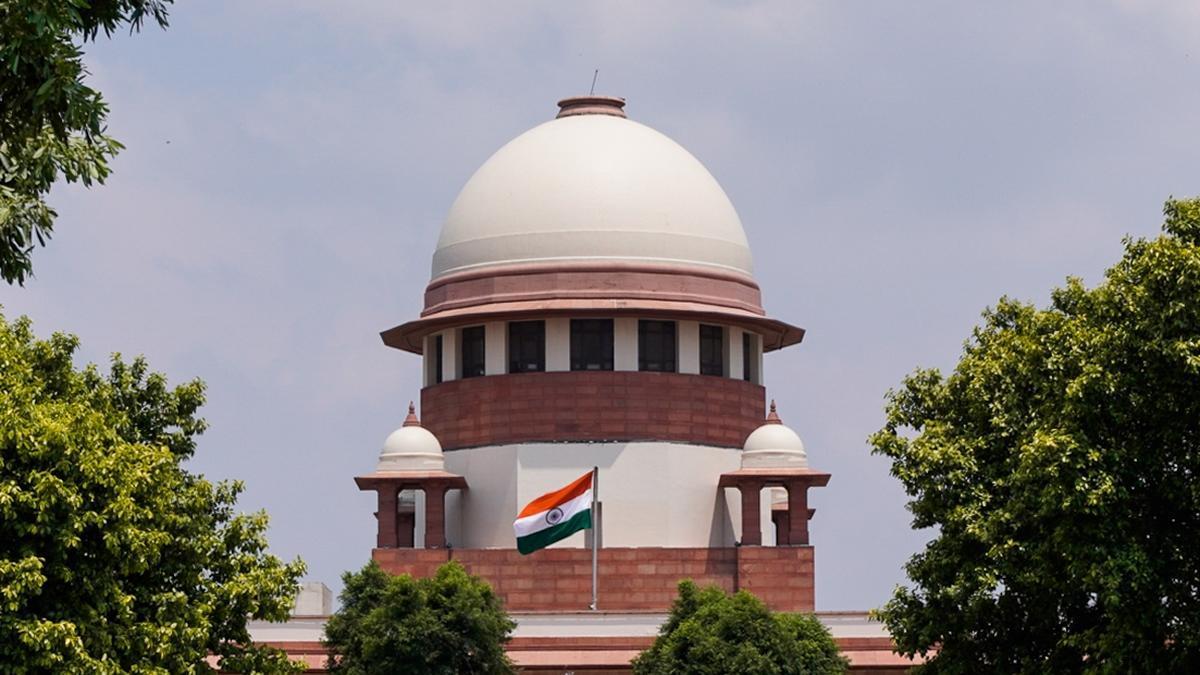
The Supreme Court of India has reserved its judgment on a plea for passive euthanasia for Harish Rana, who has been in a permanent vegetative state for 13 years. A final order is expected soon, addressing the ethical and legal complexities of withdrawing life support.
Supreme Court heard passive euthanasia plea for Harish Rana.
Rana in vegetative state for over 13 years since 2013 accident.
Court to issue final order on January 15, 2026.
Parents pleaded for withdrawal of life-sustaining treatment.
Medical boards confirmed negligible chance of recovery.
Passive euthanasia legal in India since 2018, with 2023 guidelines.
The Supreme Court of India is currently seized with the sensitive and complex case of Harish Rana, a 32-year-old man who has been in a permanent vegetative state for over 13 years following a severe head injury sustained in 2013. His parents have approached the apex court, seeking permission for passive euthanasia, which involves withdrawing life-sustaining treatment to allow a natural death. This case has garnered significant attention as it could become India's first judicially sanctioned instance of passive euthanasia, highlighting profound ethical, legal, and constitutional questions surrounding end-of-life decisions.
The Supreme Court, comprising Justices J.B. Pardiwala and K.V. Viswanathan, reserved its judgment on January 14, 2026, after hearing detailed submissions. A final order is scheduled to be passed on Thursday, January 15, 2026. The Court had previously met with Harish Rana's parents and siblings, who expressed their fervent appeal for steps to ensure their son no longer suffers, citing overwhelming financial and emotional burdens. Medical boards, including a secondary board from AIIMS, New Delhi, have assessed Harish Rana's condition, consistently concluding that he has a negligible, if any, chance of recovery. The Court observed his 'pathetic condition' with severe bedsores, indicating irreversible deterioration. Passive euthanasia was legalized in India by the Supreme Court's landmark 2018 ruling in 'Common Cause v. Union of India', which recognized 'living wills' and the right to die with dignity, further refining the procedural guidelines in 2023 to make the process more workable. The current case tests the application of these guidelines, particularly concerning the classification of clinically assisted nutrition and hydration as 'life-sustaining medical treatment' for withdrawal.
Read the full story on Quick Digest