India's Rising Waistline: ICMR Tackles Obesity Crisis
The Indian Council of Medical Research (ICMR) has launched a nationwide initiative to understand effective obesity reduction strategies amidst a growing crisis where nearly one in four Indian adults is overweight or obese. This effort aims to gather data to guide India-specific public health strategies and treatment guidelines.
Key Highlights
- ICMR initiates nationwide study on obesity prevention and management.
- Nearly 25% of Indian adults are overweight or obese.
- Obesity fuels rise in diabetes, high blood pressure, and heart disease.
- Study seeks to compare effectiveness of various weight management interventions.
- Focus on India-specific evidence for treatment and policy guidance.
- Complex factors like genetics, environment, and lifestyle contribute to obesity.
The Indian Council of Medical Research (ICMR) has launched a comprehensive nationwide initiative to address India's escalating obesity crisis, a move necessitated by the alarming fact that nearly one in four adults in the country is now overweight or obese. This significant public health concern is fueling a surge in non-communicable diseases (NCDs) such as diabetes, high blood pressure, and heart disease, impacting both urban and rural populations across India. [3, 8, 11, 14, 25, 32, 39, 44]
The initiative involves a large-scale pooled analysis of existing research data, inviting researchers to contribute studies that evaluate the effectiveness of various weight management strategies. These include diet modifications, physical activity regimens, behavioral interventions, and multi-component approaches. The aim is to identify which strategies are most effective and for whom, considering the diverse population groups within India. [8, 44]
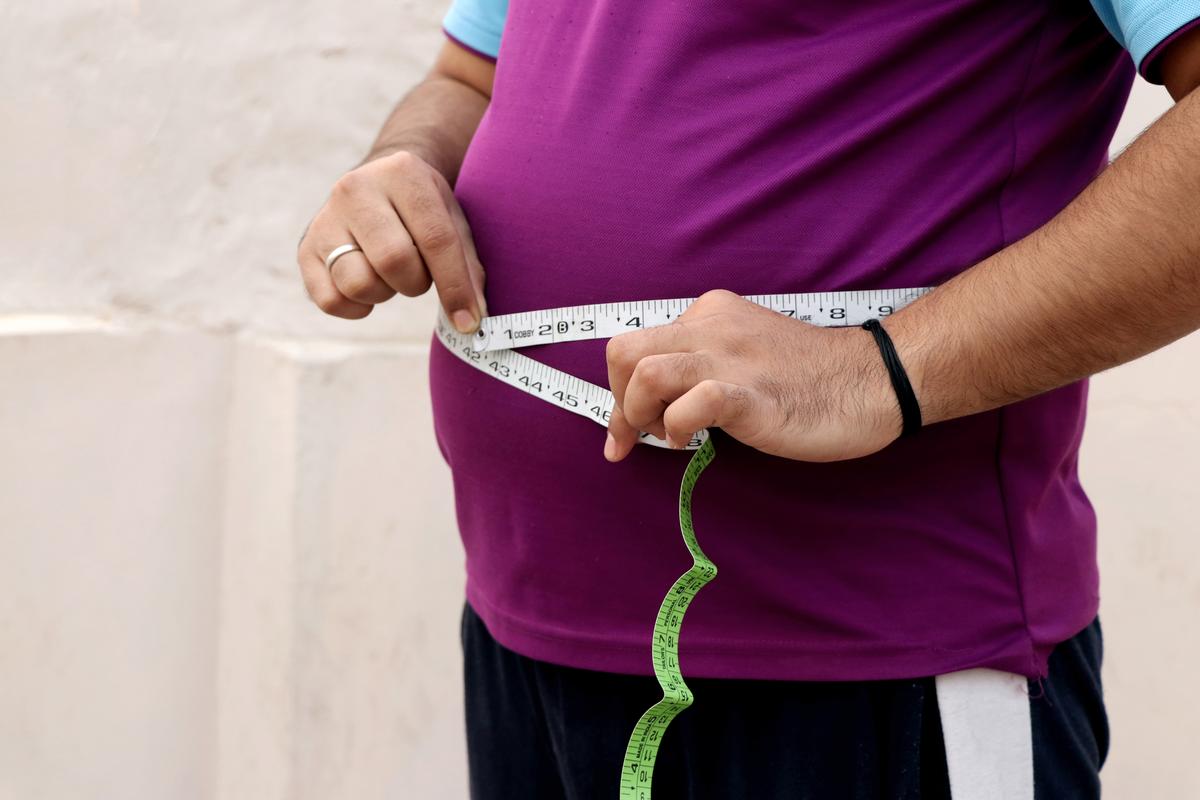
Experts highlight the complexity of obesity, noting that it is no longer solely a matter of excess weight. Increasingly, individuals with normal weight are exhibiting metabolic disorders, while some with excess weight may not have immediate complications. This underscores the need for a nuanced understanding that goes beyond simple Body Mass Index (BMI) measurements, incorporating factors like waist circumference as a crucial indicator of visceral fat, which is strongly linked to metabolic risks. [8, 12, 26, 40]
Previous research, including the extensive ICMR-INDIAB study, has established the significant prevalence of metabolic NCDs in India, with a substantial portion of the adult population affected by diabetes, prediabetes, hypertension, and various forms of obesity. These studies have also indicated that while obesity was once more prevalent in urban areas, it is now rapidly increasing in rural regions as well, posing a dual challenge alongside persistent undernutrition. [3, 7, 16, 20, 28, 36]
The new ICMR initiative seeks to bridge the gap in evidence by generating India-specific data that can inform future treatment guidelines and public health policies. This is particularly crucial as the country grapples with a fast-growing health challenge that cuts across age groups and regions. The analysis will also explore variations in intervention effectiveness based on age, gender, income levels, and geographical location, acknowledging the unique challenges faced by different communities, including rural areas where obesity is rising alongside undernutrition. [8, 44]
The growing obesity epidemic in India also has significant economic implications. Estimates suggest that the economic burden of overweight and obesity in India was substantial in 2019 and is projected to rise dramatically in the coming decades, impacting GDP through healthcare costs and lost productivity. [14, 23]
Compounding the issue, recent reports indicate a worrying trend in childhood obesity, with India being among the top countries globally in terms of affected children. This early onset of obesity increases the risk of chronic diseases in adulthood, setting the stage for a long-term public health crisis. [5, 22, 24, 30]
Furthermore, the understanding of obesity is evolving. Experts emphasize that obesity should be viewed as a multifactorial chronic disease, influenced by genetic, metabolic, environmental, and social factors, rather than solely a lifestyle choice. This shift in perception is crucial for developing effective prevention and management strategies. [45]
In response to this multifaceted challenge, India is also working on its first National Obesity Guidelines, which are expected to provide a unified framework tailored to Indian bodies, diets, and lifestyles. These guidelines will consider lower BMI thresholds for overweight and obesity for the Indian population, recognizing the distinct metabolic risks associated with different body compositions. [9]
The Times of India, while a widely read source, has faced criticism regarding its credibility due to tendencies towards sensationalism and bias in reporting. However, it is a member of the Content Authenticity Initiative, aiming to combat misinformation. [4, 6, 17, 21]
This ICMR initiative represents a critical step towards a data-driven approach to combatting India's obesity epidemic, aiming to provide the evidence needed for effective, country-specific interventions and policies. [8, 44]
Frequently Asked Questions
What is the Indian Council of Medical Research (ICMR) initiative to combat obesity?
The ICMR has launched a nationwide collaborative exercise to gather and analyze data from various studies to understand the most effective strategies for preventing and managing obesity in India. This aims to generate India-specific evidence for future treatment guidelines and public health policies.
What is the extent of the obesity problem in India?
Nearly one in four adults in India is overweight or obese. This escalating issue is contributing to a rise in non-communicable diseases like diabetes, high blood pressure, and heart disease across the country.
Why is a specific approach needed for obesity in India?
Obesity in Indians differs from Western populations due to factors like fat distribution and ethnicity. The ICMR's initiative and upcoming National Obesity Guidelines aim to create strategies tailored to Indian bodies, diets, and lifestyles, considering unique metabolic risks.
What are the health consequences of rising obesity in India?
Rising obesity is a major driver for non-communicable diseases such as Type 2 diabetes, hypertension, heart disease, and stroke. It also contributes to other health issues like sleep apnea, joint problems, and certain types of cancer.