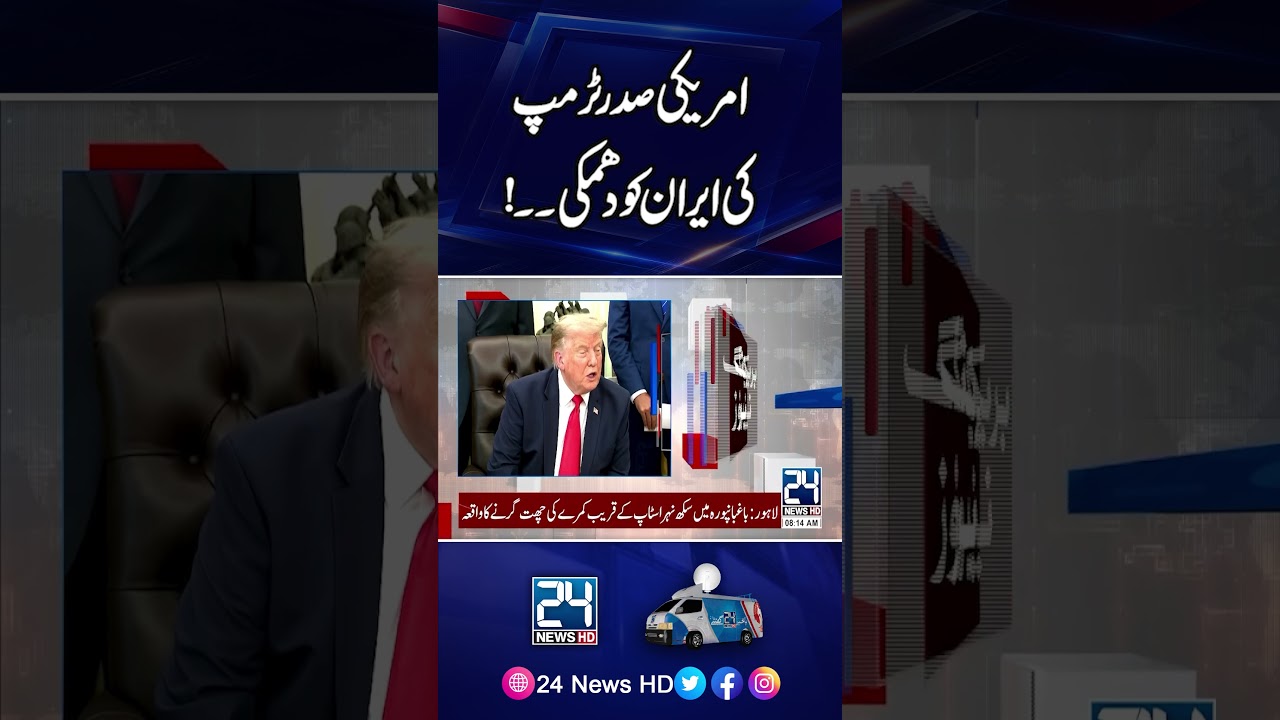
Trump Vows Forceful Response After Iran Attacks US Base in Jordan
Former US President Donald Trump issued a stern warning to Iran, stating the US would 'beat the f***ing s**t out of them' following recent Iranian missile attacks on American forces in the region, including a base in Jordan. This aggressive rhetoric comes amid renewed hostilities and retaliatory US strikes against Iranian targets, escalating an already tense geopolitical standoff.
Key Highlights
- Trump threatened severe retaliation against Iran.
- Iranian forces attacked US military bases, including one in Jordan.
- US launched 'powerful' strikes on Iran in response.
- The conflict has reignited after a period of relative calm.
- Oil prices surged globally due to the escalating tensions.
- Reports indicate US casualties from recent Iranian strikes.
In a significant escalation of US-Iran tensions, former US President Donald Trump has issued a fiery warning to Tehran, declaring that the United States would 'beat the f***ing s**t out of them' in response to recent Iranian missile attacks on American forces in the Middle East. The remarks, made to Fox News on Wednesday, July 29, 2026, followed what was described as a 'surprise' attack by Iran targeting a US base in Jordan, where US troops reportedly had mere minutes to intercept incoming missiles.
The Iranian attacks mark a resurgence of hostilities between the two long-standing adversaries, ending a brief period of unofficial calm and diplomatic efforts. While initial reports from some sources suggested no damage, injuries, or fatalities at the US base in Jordan from these specific attacks, updated information from July 20, 2026, indicates that two US service members were killed and one remains missing after the Iranian regime struck an American base in Jordan over the weekend of July 18-19. Additionally, a third US service member died in Iraq following a separate drone-related attack.
In immediate retaliation for the Iranian actions, the US military launched a series of 'powerful' strikes on Iranian targets. US Central Command (CENTCOM) confirmed that these strikes hit dozens of Islamic Revolutionary Guard Corps (IRGC) targets within Iran, including military command centers, missile and drone facilities, coastal surveillance and defense sites, and maritime capabilities. These operations aimed to diminish the threats posed by Iran and its proxies to American forces, commercial shipping, and allied Gulf countries. Furthermore, the US, in coordination with Saudi Arabia, carried out joint strikes against Iran-backed militia groups in Iraq, targeting sites used for logistics and weapons operations.
Trump's aggressive rhetoric and the subsequent retaliatory strikes underscore a deepening mistrust and the fragility of diplomatic attempts to de-escalate the conflict. Reports suggest that the recent flare-up has dashed hopes for a quick return to negotiations, with Saudi Arabia publicly joining military escalations against Tehran-backed proxies, signaling a new phase in the regional conflict. The escalating tensions have also had broader global implications, notably causing oil prices to surge, with Brent crude rising significantly on Wednesday.
The current situation echoes, yet differs from, past confrontations. For instance, in January 2020, following the US assassination of Iranian General Qasem Soleimani, Iran retaliated by launching ballistic missiles at the Al-Asad Airbase in Iraq, which housed US troops. At that time, while Trump initially claimed 'all is well' and reported no American casualties, it was later confirmed that over 100 US service members suffered traumatic brain injuries. The present conflict, however, involves more explicit threats of direct engagement and a more immediate acknowledgment of US casualties in initial reports from some news outlets for the Jordan attack, marking a potentially more dangerous trajectory.
The international community has reacted with alarm, with calls for de-escalation and a return to diplomacy from various global actors. United Nations Secretary-General Antonio Guterres expressed grave concern over the use of force, warning of the risk of the conflict spiraling out of control with catastrophic consequences. The US has formally notified Congress of the resumption of hostilities against Iran, consistent with the President's responsibility to protect American interests, further highlighting the official nature of this renewed conflict phase. The ongoing dispute revolves around critical issues such as Iran's nuclear program, its ballistic missile development, proxy attacks, and the freedom of navigation through the Strait of Hormuz, all of which contribute to the volatile geopolitical landscape of the Middle East.
Frequently Asked Questions
What prompted Donald Trump's strong remarks against Iran?
Donald Trump's aggressive statements came in response to recent Iranian missile attacks on US forces and assets in the Middle East, specifically mentioning a 'surprise attack' on a US base in Jordan.
Did the Iranian attacks cause any casualties?
While some initial reports suggested no US casualties from the Jordan base attack, later information indicated that two US service members were killed and one remains missing after an Iranian strike on a US base in Jordan. Additionally, another US service member died in Iraq from a separate drone attack.
How did the US respond to Iran's actions?
The US launched 'powerful' retaliatory strikes against dozens of Islamic Revolutionary Guard Corps (IRGC) targets in Iran, including military command centers, missile and drone facilities. The US also conducted joint strikes with Saudi Arabia against Iran-backed militias in Iraq.
What is the broader context of this escalation between the US and Iran?
This escalation follows a period of heightened tensions and a fragile ceasefire, marking a renewed phase in the long-standing conflict. Key issues include Iran's nuclear program, its ballistic missile development, and its support for proxy forces in the region. The conflict also significantly impacts global oil markets.
What are the international reactions to this escalation?
The international community has expressed alarm, with the UN Secretary-General calling for de-escalation and warning of catastrophic consequences if the conflict spirals out of control. Calls for a return to diplomatic solutions are prevalent among global actors.