US, Iran Near Deal: Hormuz First, Nuclear Later?
Reports indicate the US and Iran are close to a preliminary agreement to end the ongoing conflict. This potential deal prioritizes resolving issues concerning the Strait of Hormuz before addressing Iran's nuclear program. The US has paused its operation to escort ships through the strait, signaling a shift towards a limited framework agreement.
Key Highlights
- US and Iran are reportedly nearing a preliminary deal to end the war.
- The proposed agreement prioritizes resolving Strait of Hormuz issues before nuclear talks.
- US has paused its 'Project Freedom' operation in the Strait of Hormuz.
- A one-page Memorandum of Understanding is under negotiation.
- The deal aims to establish a 30-day negotiation period for a comprehensive agreement.
- Oil prices have dropped significantly on hopes of de-escalation.
Recent reports suggest that the United States and Iran are on the verge of a preliminary agreement to end their ongoing conflict, with a significant shift in negotiation priorities. The proposed one-page Memorandum of Understanding (MoU) reportedly places the resolution of issues surrounding the Strait of Hormuz before discussions on Iran's nuclear program. This development marks a potential departure from the US's previous stance, which emphasized the nuclear issue as central to any deal. The Axios report, corroborated by Reuters and other outlets, indicates that Washington expects a response from Tehran within 48 hours, though no final agreement has been reached.
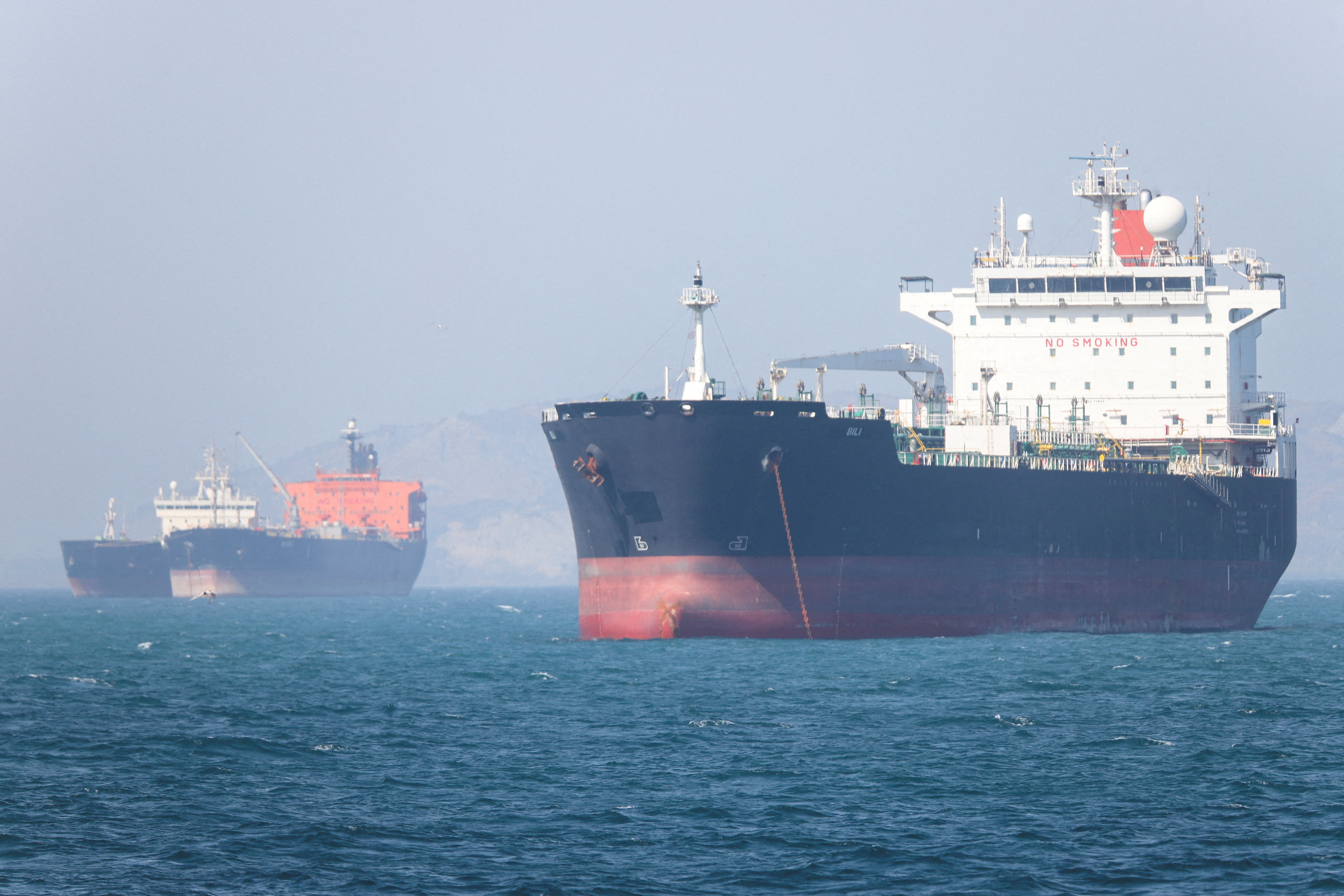
This potential breakthrough follows a period of heightened tensions and military operations, including the US "Project Freedom" initiative to escort commercial vessels through the Strait of Hormuz. In a significant development, the US has paused this operation, citing "great progress" in the negotiations. This pause, requested by Pakistan, which has been mediating the talks, signals a de-escalatory move and a potential willingness to engage in a more phased approach to diplomacy..
The one-page MoU is reportedly a 14-point document that would declare an end to hostilities and initiate a 30-day period for more detailed negotiations. Key aspects of the proposed deal include Iran committing to a moratorium on uranium enrichment, while the US would gradually lift sanctions and release frozen Iranian funds. Both sides would also ease restrictions on transit through the Strait of Hormuz. The duration of the enrichment moratorium is a key point of negotiation, with discussions reportedly centering around 12 to 15 years, a compromise between Iran's proposed five years and the US's demand for 20 years..
The shift in US strategy, accepting Iran's demand to address the Strait of Hormuz first, has been noted by experts as a departure from the Trump administration's initial insistence on prioritizing nuclear talks. Secretary of State Marco Rubio's recent statements suggest a move towards accepting a more phased approach.. The negotiations have been facilitated through direct and mediated channels, with US envoys Steve Witkoff and Jared Kushner involved. Potential venues for future talks include Islamabad, Pakistan, and Geneva, Switzerland..
The prospect of a de-escalation has had a notable impact on global oil markets. Crude oil futures have seen a significant drop, with Brent crude falling below $100 per barrel, reflecting market relief from potential supply disruptions and price volatility. The conflict, particularly the blockade of the Strait of Hormuz, had previously caused oil prices to skyrocket, impacting global economies and fueling inflation..
For India, this developing situation presents a complex geopolitical scenario. India has traditionally sought to maintain balanced relations with both the US and Iran, viewing Iran as a strategically important partner for energy security and regional stability. The conflict and subsequent sanctions have impacted India's trade and its significant diaspora in the Gulf region. While India has welcomed ceasefires and urged dialogue, it has maintained a cautious neutrality, avoiding overt alignment with either side. The emergence of Pakistan as a key mediator has also been noted with interest by India, as it navigates its regional relationships.. The resolution of the Hormuz issue is particularly relevant for India, given its reliance on energy imports transiting the vital waterway.
However, the report also highlights lingering uncertainties and potential challenges. The US has indicated it could restore blockades or resume military action if talks collapse.. Furthermore, there are internal divisions within Iran's leadership and skepticism among some US officials about the feasibility of reaching even an initial deal.. The successful outcome of these negotiations remains contingent on Iran's response and the willingness of both sides to compromise on critical issues.
Frequently Asked Questions
What is the main point of contention regarding the Strait of Hormuz?
The Strait of Hormuz is a vital waterway for global oil and gas transport. Iran has previously restricted shipping, and the US has blockaded Iranian ports. Both sides aim to establish unimpeded transit and ease these restrictions as part of any agreement.
Why is Iran's nuclear program a key issue?
The US and international community are concerned about Iran developing nuclear weapons. Iran insists its nuclear program is for peaceful purposes. Negotiations aim to establish limits and verification mechanisms for Iran's nuclear activities.
What is the significance of the 'one-page MoU'?
The Memorandum of Understanding (MoU) is a preliminary agreement outlining the framework for broader negotiations. Its 'one-page' nature suggests a focus on core issues to build momentum for resolving the conflict and addressing complex matters like the nuclear program.
How does this conflict affect India?
India relies heavily on oil and gas imports that transit the Strait of Hormuz. The conflict has disrupted supply chains and increased energy costs. India also maintains significant economic and diplomatic ties with both Iran and the US, making it crucial to navigate these geopolitical tensions carefully.