Trump's Iran Nuclear Claims, Hormuz Disruption Amidst Fragile Ceasefire
Amidst an ongoing US-Iran conflict and a fragile two-week ceasefire, former President Trump claims Iran agreed to abandon nuclear weapons and offered a "present" regarding the Strait of Hormuz opening. However, Iranian officials deny formal talks and the Strait remains severely disrupted, impacting global energy markets.
Key Highlights
- Trump claimed Iran agreed to no nuclear weapons amid ongoing conflict.
- Iran publicly denied formal negotiations and maintains its nuclear program is peaceful.
- Strait of Hormuz remains disrupted despite Trump's 'present' claim.
- A two-week US-Iran ceasefire is in effect, mediated by Pakistan.
- Iran's peace proposal includes retaining control over Strait of Hormuz.
- Global oil prices surged due to Middle East conflict and shipping disruptions.
The recent article from Hindustan Times, published on April 9, 2026, reports on former US President Donald Trump's claims regarding Iran's nuclear ambitions and the status of the strategically vital Strait of Hormuz, amidst an active and tense conflict in the Middle East. The news comes as a two-week ceasefire between the United States and Iran has been announced, mediated by Pakistan, aiming to de-escalate a conflict that has had significant global ramifications, particularly concerning energy security.
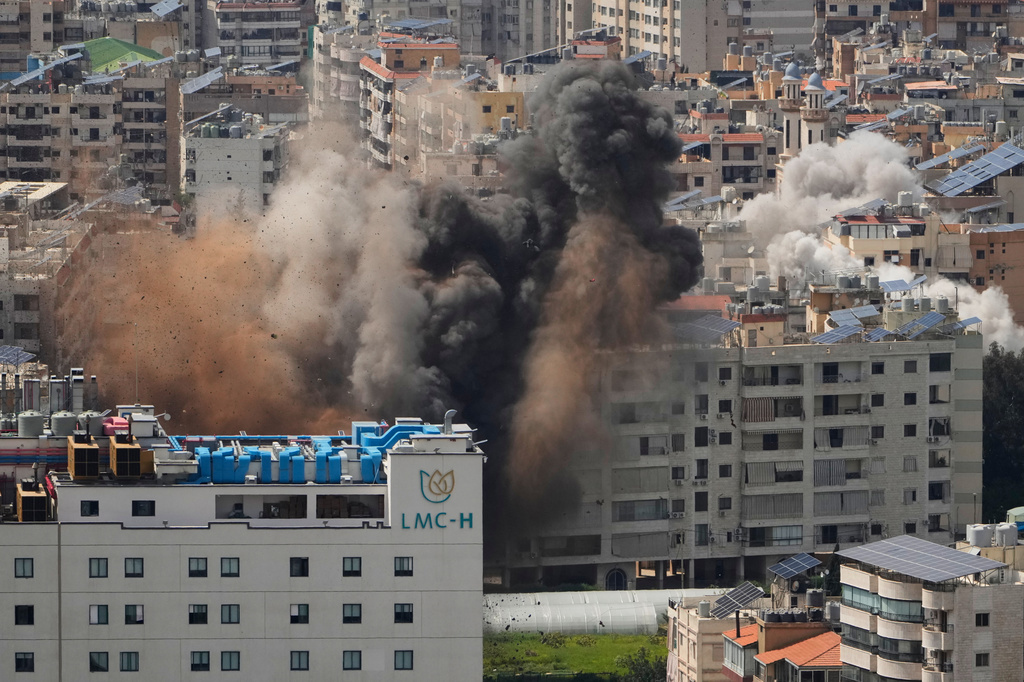
Donald Trump has repeatedly asserted that Iran has 'agreed to no nuclear weapon' or will 'never have a nuclear weapon'. He expressed confidence in diplomatic efforts, even suggesting the US would collaborate with Iran to 'dig up and remove' enriched uranium. These statements were made even as direct fighting continued in the region, including Israeli strikes in Lebanon, threatening the fragile truce.
However, these claims by Trump are largely disputed by Iranian officials. Tehran has consistently denied that formal negotiations, as described by Trump, are underway, maintaining a defiant stance and insisting on continuing its fight 'until complete victory'. Iran also reiterates that its nuclear program is peaceful, despite enriching uranium to 60% purity, a level that is widely considered to be a short technical step away from weapons-grade material.
Central to the conflict and Trump's recent comments is the Strait of Hormuz. This narrow maritime corridor, situated between Oman and Iran, is a critical global chokepoint, through which approximately one-fifth of the world's oil and gas passes daily. Its disruption has immediate and substantial impacts on global energy prices and supply chains. Since late February 2026, following joint military strikes by the United States and Israel on Iran, shipping through the Strait has been severely impacted. Iran's Islamic Revolutionary Guard Corps (IRGC) issued warnings prohibiting vessel passage, leading to a near halt in commercial shipping traffic. Reports indicate that tanker traffic initially plummeted by about 70%, with over 150 ships reportedly anchoring outside the strait to avoid risks.
In this context, Trump claimed that Iran had delivered a 'very big present' linked to the opening of the Strait of Hormuz, implying a positive development in efforts to restore free passage through the vital waterway. However, the phrase 'Hormuz opening long time ago' in the original article's title is misleading. The Strait has been under severe disruption very recently, making 'long time ago' inaccurate in a historical sense. It likely refers to a specific, potentially rhetorical, statement by Trump within the short timeframe of the ongoing crisis, possibly related to a temporary gesture or a perceived concession that has not led to a full and stable reopening.
The recently announced two-week ceasefire, brokered with Pakistan's mediation, aims to create space for negotiations. Trump had made the ceasefire conditional on Iran agreeing to a 'COMPLETE, IMMEDIATE, and SAFE OPENING' of the Strait of Hormuz. However, Iran's proposed 10-point peace plan, as conveyed by its semi-official Tasnim News Agency, includes a clause for 'continued Iranian control over the Strait of Hormuz.' This highlights a significant point of contention, as Iran seeks to assert its sovereignty over the waterway, potentially complicating efforts for an internationally guaranteed 'safe opening' as envisioned by the US.
Historically, Trump withdrew the US from the Joint Comprehensive Plan of Action (JCPOA), the 2015 Iran nuclear deal, in 2018, labeling it a 'disaster' and asserting it was insufficient to prevent Iran from obtaining nuclear weapons. His current claims and negotiations are therefore part of a long-standing and evolving strategy to confront Iran's nuclear program and regional influence. The broader conflict also involves escalating threats, with Trump having previously issued ultimatums and threatened strikes on Iranian infrastructure if the Strait was not reopened, before backing down and extending deadlines to allow for diplomatic efforts.
The ongoing situation remains volatile, with global powers closely watching the developments. The United Nations and other international partners are actively engaged in diplomatic discussions to ensure a safe, secure, and efficient passage for ships through the Strait of Hormuz, emphasizing its critical role in international trade and energy security. The implications for global energy markets, maritime security, and regional stability are substantial, making this an issue of critical international importance.
Frequently Asked Questions
What are Donald Trump's main claims about Iran in this news?
Donald Trump claimed that Iran has agreed it will 'never have a nuclear weapon' and also spoke of a 'very big present' from Iran related to the opening of the Strait of Hormuz.
What is Iran's stance on these claims and ongoing negotiations?
Iran has publicly denied that formal negotiations are taking place as described by Trump. Iranian officials maintain that their nuclear program is peaceful and insist on continuing their fight 'until complete victory.'
What is the current situation regarding the Strait of Hormuz?
The Strait of Hormuz has been severely disrupted since late February 2026 due to the ongoing conflict. While a two-week ceasefire has been announced, and its reopening is a condition, Iran's peace proposal includes retaining 'continued Iranian control' over the Strait, indicating its status remains contested and not fully open.
How does the Strait of Hormuz disruption affect the global economy?
As a vital global chokepoint for oil and gas, the disruption of the Strait of Hormuz significantly impacts global energy markets. It leads to surging oil prices, delays in global supply chains, and increased geopolitical tensions.
What is the status of the US-Iran conflict and ceasefire?
The US and Iran are currently in a shaky two-week ceasefire, mediated by Pakistan. This truce aims to allow for negotiations, but tensions remain high due to ongoing hostilities in the broader Middle East and conflicting interpretations of potential agreements.