Musk Seeks $134B from OpenAI, Microsoft in 'Wrongful Gains' Lawsuit | Quick Digest
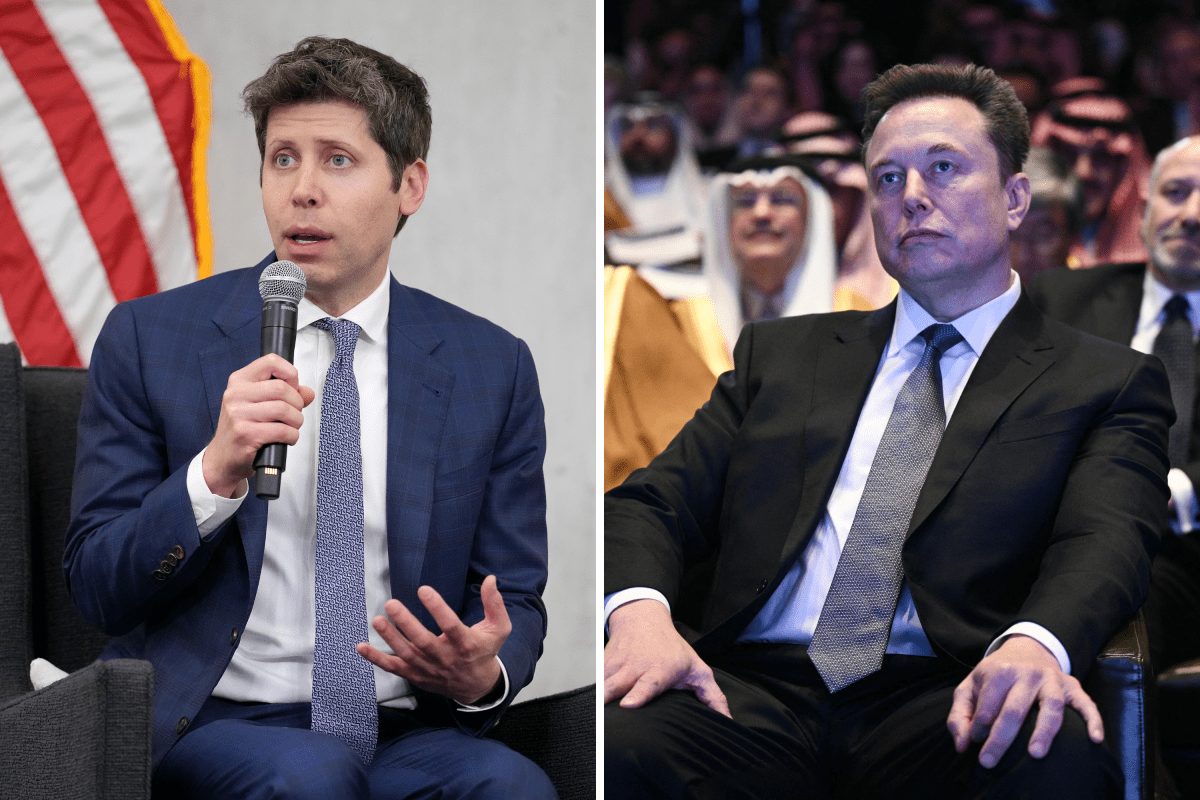
Elon Musk has escalated his lawsuit against OpenAI and Microsoft, seeking up to $134 billion for alleged 'wrongful gains' from his early contributions. A US judge has ruled the high-profile case will proceed to a jury trial in April 2026, prompting Musk to express eagerness for the trial on X.
Elon Musk suing OpenAI and Microsoft for alleged 'wrongful gains'.
Musk seeks up to $134 billion in damages from the companies.
A US federal judge ruled the lawsuit will go to a jury trial.
Trial expected to commence in April/May 2026 in Oakland, California.
Musk publicly stated, 'Can't wait to start the trial' on X.
Sam Altman refutes claims, citing Musk's past interest in for-profit structure.
Elon Musk has amplified his legal challenge against OpenAI and Microsoft, asserting that he is entitled to between $79 billion and $134 billion in 'wrongful gains' from his foundational contributions to the artificial intelligence startup. This development follows a recent ruling by a U.S. federal judge in Oakland, California, that rejected motions to dismiss the lawsuit and set the stage for a jury trial. Jury selection is slated for April 27, 2026, with the trial commencing in May 2026.
Musk, a co-founder of OpenAI, alleges that the company, along with its key partner Microsoft, deviated from its original non-profit mission dedicated to humanity's benefit, instead prioritizing commercial interests. He recently took to X (formerly Twitter) to express his anticipation for the upcoming proceedings, stating, 'Can't wait to start the trial. The discovery and testimony will blow your mind'.
OpenAI CEO Sam Altman has pushed back against Musk's allegations, describing the lawsuit as 'baseless' and part of an 'ongoing pattern of harassment'. Altman has also publicly shared internal communications, suggesting that Musk was aware of, and even advocated for, a for-profit structure for OpenAI and sought majority equity and control. Musk reportedly contributed around $38 million, representing about 60% of OpenAI's early seed funding, and played a role in recruiting staff and lending credibility to the venture. The trial is expected to delve into these complex claims regarding OpenAI's founding principles and its subsequent transition to a for-profit entity.
Read the full story on Quick Digest