Trump Slams Iran as 'Loser' After Gulf Apology Amid Mideast War
Donald Trump heavily criticized Iran, branding it the 'loser of the Middle East' after Iranian President Masoud Pezeshkian offered an apology to Gulf nations for recent attacks. The apology came amidst escalating US-Israel-Iran hostilities, though some Iranian strikes reportedly continued post-apology. Trump claimed Iran's move was a 'surrender' due to relentless US and Israeli pressure.
Key Highlights
- Trump labeled Iran the 'loser of the Middle East' after its apology.
- Iranian President Pezeshkian apologized for attacks on Gulf neighbors.
- Iran vowed to halt strikes unless attacked first from Gulf territory.
- Trump interpreted the apology as a 'surrender' forced by US-Israeli attacks.
- Reports indicated some Iranian strikes continued despite the apology.
- Pezeshkian rejected Trump's demand for unconditional surrender.
US President Donald Trump launched scathing criticism against Iran, labeling the West Asian nation the 'loser of the Middle East' and claiming it had been 'beat to HELL,' following an apology issued by Iranian President Masoud Pezeshkian to neighboring Gulf countries. The India Today article, published on March 7, 2026, accurately reported Trump's strong remarks, which were made on his Truth Social platform.
On the same day, Iranian President Masoud Pezeshkian publicly apologized to Gulf states for recent missile and drone attacks. In a televised address, Pezeshkian stated that Iran's interim leadership council had decided that no further strikes would be carried out against neighboring countries unless attacks on Iran originated from their territory. This diplomatic overture was presented as an attempt to de-escalate tensions in the volatile region.
Trump was quick to seize on this development, interpreting Iran's apology as a sign of weakness and a 'surrender' brought about by what he described as 'relentless US and Israeli attack.' He further asserted that this marked the first time in thousands of years that Iran had 'lost' to surrounding Middle Eastern countries. Trump's rhetoric also included a warning that Iran would be 'hit very hard' and that the US could potentially widen its attacks, raising concerns about further escalation in the conflict.
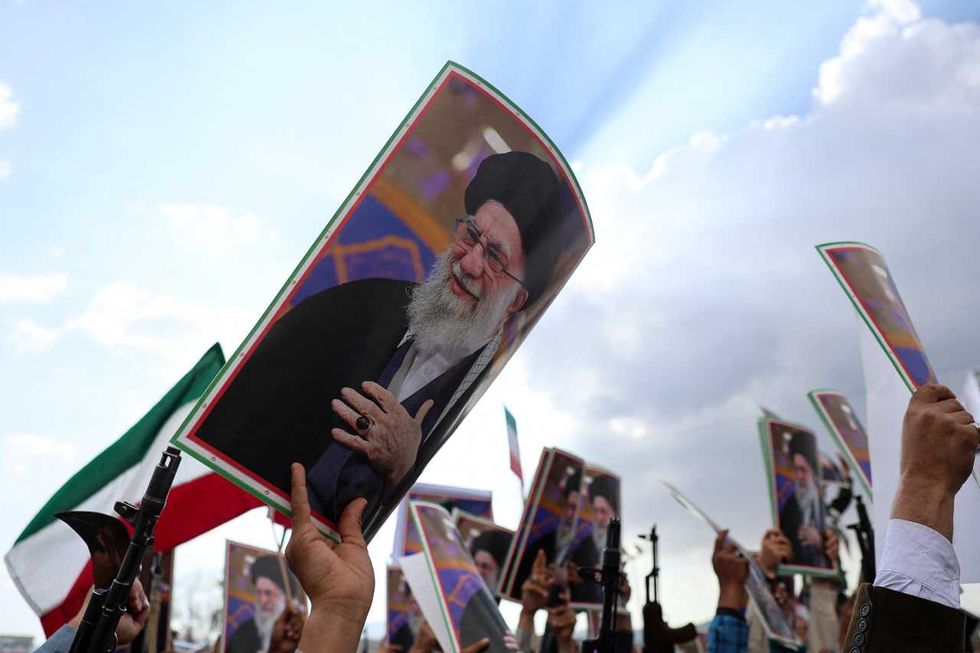
The context for these events is a deeply entrenched and escalating conflict involving the United States, Israel, and Iran. The initial reports suggest that the situation worsened significantly around February 28, following an airstrike that reportedly killed Iran's Supreme Leader Ayatollah Ali Khamenei, leading to a power vacuum and a tripartite leadership council overseeing Iran. Amidst this turmoil, Iran had been launching missile and drone attacks, which had targeted several Gulf states, including Bahrain, Saudi Arabia, and the United Arab Emirates. While Iran maintained that it was targeting US military facilities in these areas, rather than the Gulf nations themselves, civilian casualties and regional instability had mounted.
Despite President Pezeshkian's apology and his call for diplomacy, reports from various sources indicated that Iranian missiles and drones continued to fly towards Gulf Arab states even on the day of the apology. For instance, reports mentioned a drone strike on Dubai International Airport and explosions in Bahrain and Qatar. This raised questions about the extent to which Tehran's political leadership could fully command its armed forces, particularly the powerful Revolutionary Guard, which analysts noted controls Iran's missile forces and oversees many regional military operations.
Furthermore, Pezeshkian's apology was met with domestic backlash from hardliners within Iran, including the Revolutionary Guard and clerical elite. This internal criticism highlighted fracturing within Iran's hierarchy, with divisions between hardliners and more pragmatic factions. This pushback reportedly forced Pezeshkian into a partial climbdown, complicating Iran's diplomatic position.
In response to Trump's earlier demand for Iran's 'unconditional surrender' (as mentioned in the related BBC article), President Pezeshkian firmly rejected this, calling it 'a dream that will never come true' and vowing Iran would remain steadfast. This exchange underscored the deep ideological chasm and heightened tensions between the US and Iran. The US Central Command and Israel had also made claims about significantly reducing Iran's ballistic missile and drone attack capabilities, and destroying a substantial portion of its air defense systems.
The situation in the Middle East has significant relevance for an Indian audience. India has substantial economic interests in the Gulf region, particularly regarding energy imports, and a large diaspora residing and working in these countries. The escalating conflict has led to disruptions, including challenges for air travel, impacting Indian citizens. Therefore, stability in the Middle East is crucial for India's economic and security interests.
In summary, the India Today article accurately captures the real-time political drama surrounding Iran's apology to Gulf nations and Donald Trump's immediate, aggressive reaction. While the headline uses sensationalized language, it reflects the strong rhetoric employed by Trump himself. The underlying facts regarding Iran's apology, Trump's response, and the ongoing regional conflict are corroborated by multiple credible sources, making the article factually accurate in its core claims. The reported continued strikes post-apology and the domestic Iranian backlash add crucial layers of complexity to the narrative.
Frequently Asked Questions
Why did Iran's President apologize to Gulf nations?
Iranian President Masoud Pezeshkian apologized to neighboring Gulf countries for recent missile and drone attacks. He stated that Iran's interim leadership council had decided to halt future strikes unless Iran was attacked first from those countries, signaling a diplomatic effort to de-escalate regional tensions.
How did Donald Trump react to Iran's apology?
Donald Trump reacted strongly, calling Iran the 'loser of the Middle East' and 'beat to HELL.' He interpreted the apology as a 'surrender' forced by persistent US and Israeli attacks and warned that Iran would be 'hit very hard.'
Did Iran's attacks cease after the apology?
Despite President Pezeshkian's apology and statement about halting strikes, reports indicated that some Iranian missiles and drones continued to target Gulf states, including Dubai, Bahrain, and Qatar, even on the day the apology was issued. This raised questions about the command and control within Iran's military.
What is the broader context of this event?
This event is part of an escalating conflict involving the US, Israel, and Iran, which intensified following an airstrike around February 28 that reportedly killed Iran's Supreme Leader. The region has been experiencing heightened tensions and mutual strikes, impacting geopolitical stability.
How does this conflict affect India?
The ongoing conflict in the Middle East has significant implications for India, impacting its energy security due to reliance on oil and gas imports from the region. It also affects the safety and well-being of the large Indian diaspora working in Gulf countries, and has led to disruptions in air travel.