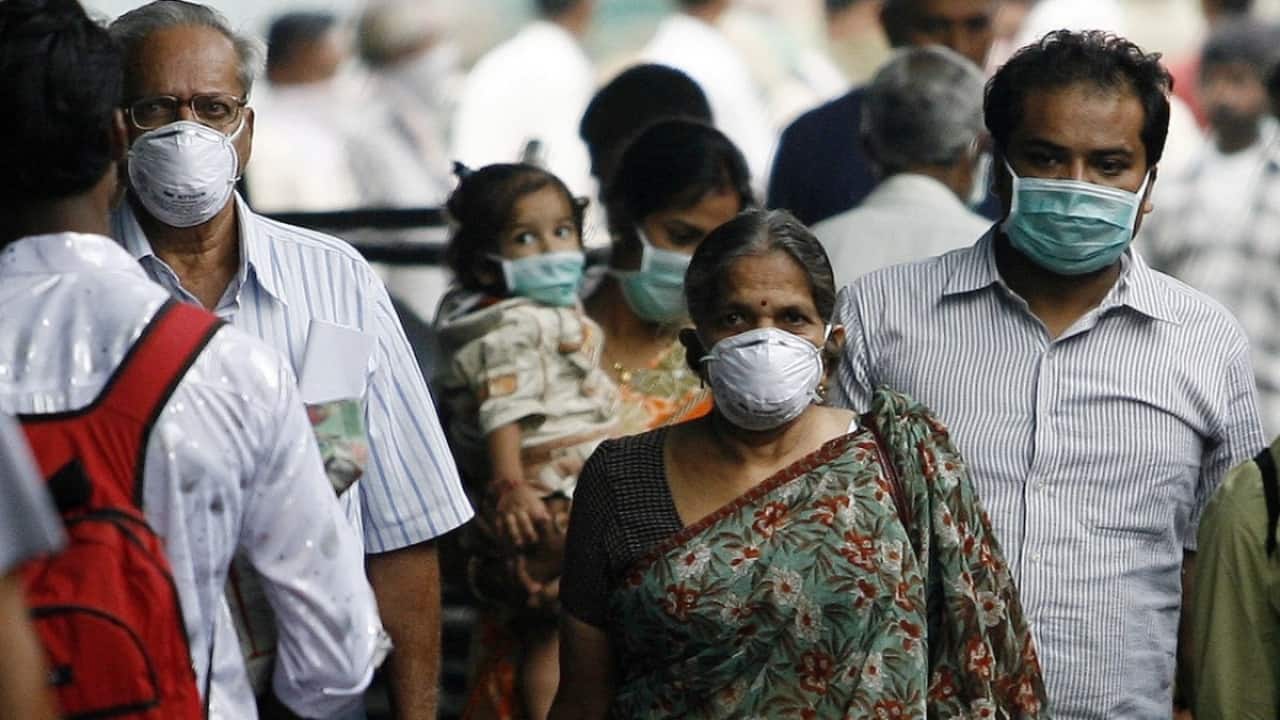
Delhi sees significant rise in H1N1 cases during monsoon
Delhi has reported a substantial increase in H1N1 (swine flu) cases during the current monsoon season, with figures rising significantly compared to the previous year. While no deaths have been recorded, health officials emphasize preparedness and advise public vigilance. The surge is attributed to seasonal factors and weather conditions conducive to virus spread.
Key Highlights
- Delhi reports 1,349 H1N1 cases this monsoon season.
- Cases mark a sharp increase from 229 recorded last year.
- No fatalities reported due to H1N1 this year.
- Dengue cases also show an uptick with 1,379 reported.
- Health officials confirm hospitals are prepared for patient load.
Delhi is currently experiencing a significant surge in H1N1 (swine flu) cases, with over 1,349 infections reported during the ongoing monsoon season. This marks a substantial increase compared to the 229 cases recorded during the same period last year. Despite the heightened number of infections, health authorities have confirmed that no fatalities have been attributed to H1N1 this year.
The increase in H1N1 cases is closely associated with the monsoon season, a phenomenon attributed to several factors. Doctors and health experts explain that the combination of increased humidity, fluctuating temperatures, and crowded indoor spaces during the rainy season creates an ideal environment for the influenza virus to spread. The monsoon weather facilitates the transmission of H1N1 through respiratory droplets, as cooler temperatures after rainfall and increased indoor proximity between people enhance the virus's ability to spread.
Alongside the rise in H1N1 cases, Delhi has also recorded a considerable number of dengue infections, with 1,379 cases reported so far this monsoon. This concurrent increase in vector-borne and respiratory illnesses puts additional pressure on the healthcare system. However, the Delhi government, through its Health Minister Pankaj Singh, has asserted that government hospitals are fully prepared to manage the growing patient load. Measures have been put in place to ensure adequate treatment facilities and close monitoring of affected areas and hotspots.
While the overall number of H1N1 cases has increased, many of these infections are reported to be mild, with most patients recovering with rest and symptomatic treatment. However, health officials and doctors caution that certain groups remain at higher risk of developing severe complications. These vulnerable populations include the elderly, young children, pregnant women, and individuals with pre-existing chronic health conditions such as diabetes, hypertension, heart disease, or weakened immunity. For these individuals, hospitalization may be required in a small percentage of cases.
To combat the spread of H1N1, health authorities are advising the public to adhere to preventive measures. These include maintaining good personal hygiene, such as frequent handwashing, practicing proper cough and sneeze etiquette, and considering annual flu vaccination, especially for high-risk groups. Doctors also emphasize the importance of seeking timely medical advice for persistent or worsening flu-like symptoms, avoiding self-medication with antivirals without a doctor's prescription, and isolating oneself if diagnosed with the virus to prevent further transmission.
Historically, H1N1 has been a recurring concern in India. The pandemic strain of H1N1 first emerged globally in 2009, and localized outbreaks have continued since then. In India, the virus has become a seasonal concern, with cases often rising during transitional periods and monsoon seasons. The National Centre for Disease Control (NCDC) provides guidelines and technical information on seasonal influenza, including testing protocols, patient categorization, and home care.
The article mentions that last year's total influenza cases were around 4,000, with the H3N2 strain being dominant, whereas this year, H1N1 is the predominant strain. This shift in the dominant influenza strain is also a factor being monitored by health officials.
In summary, the current rise in H1N1 cases in Delhi is a significant public health concern, amplified by the monsoon season. While the situation is being closely monitored, and healthcare facilities are prepared, public adherence to preventive measures remains crucial to mitigate the spread and impact of the virus. The concurrent rise in dengue cases underscores the need for comprehensive public health strategies addressing both respiratory and vector-borne diseases during the monsoon.
Frequently Asked Questions
What is H1N1 and why is it a concern during monsoon?
H1N1, also known as swine flu, is a type of influenza A virus. During the monsoon season, factors like increased humidity, fluctuating temperatures, and more time spent indoors create an environment conducive to the virus's spread through respiratory droplets.
What are the reported numbers of H1N1 cases in Delhi this monsoon?
Delhi has reported approximately 1,344 to 1,349 confirmed H1N1 cases during the current monsoon season. This represents a significant increase compared to the 229 cases recorded during the same period last year.
Are there any fatalities reported due to H1N1 in Delhi this season?
According to health authorities, no deaths have been recorded due to H1N1 (swine flu) in Delhi during the current monsoon season.
What preventive measures should be taken against H1N1?
Key preventive measures include maintaining good personal hygiene (frequent handwashing, covering coughs and sneezes), considering the annual flu vaccine (especially for high-risk groups), and seeking timely medical advice for persistent symptoms. Isolation if diagnosed is also crucial.
What are the symptoms of H1N1?
Common symptoms of H1N1 include high fever, chills, persistent cough, sore throat, runny or blocked nose, headache, muscle and joint pain, extreme fatigue, and body aches. Some may also experience nausea or vomiting.