Pakistan Facilitates US-Iran Talks Amidst Conflicting Claims and Escalating War
Pakistan has announced it will host talks between the US and Iran to end the ongoing conflict, with both nations reportedly expressing confidence in Islamabad's mediation. However, Iran has repeatedly denied engaging in direct or indirect negotiations, dismissing US claims of progress and characterizing Pakistan's efforts as independent initiatives in which they have not participated. The situation remains complex, with conflicting narratives and continued military escalation.
Key Highlights
- Pakistan to host US-Iran talks amid ongoing conflict.
- Iran denies direct or indirect negotiations with the US.
- Conflicting claims persist regarding mediation efforts.
- Regional powers back Pakistan's mediation initiative.
- War continues with escalating military actions.
- Strait of Hormuz remains a key point of contention.
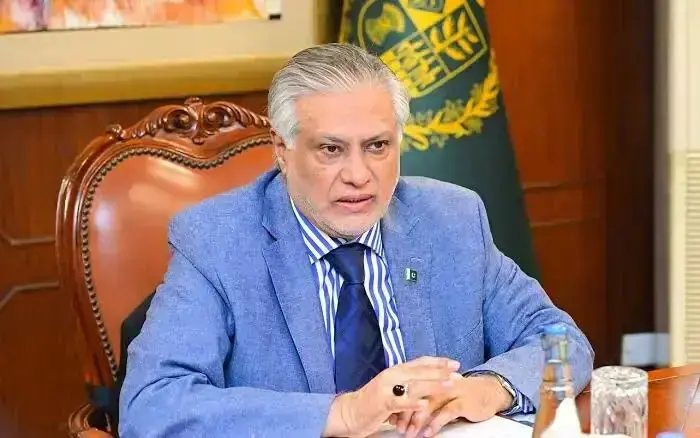
Pakistan has stepped forward to host crucial talks between the United States and Iran in an effort to de-escalate the intensifying conflict that began on February 28th. Foreign Minister Ishaq Dar announced that Islamabad would be honored to facilitate these negotiations, stating that both Washington and Tehran have expressed confidence in Pakistan's ability to mediate a comprehensive and lasting settlement. This initiative has received support from Saudi Arabia, Turkey, and Egypt, who met in Islamabad to discuss ways to end the war. The focus of initial discussions has reportedly been on finding a diplomatic solution to reopen the Strait of Hormuz, a vital waterway that Iran has effectively closed since the war began, and a key objective for U.S. President Donald Trump. The regional foreign ministers agreed that dialogue and diplomacy are the only viable solutions and reaffirmed their commitment to containing the situation and reducing the risk of military escalation. China has also expressed full support for Pakistan's initiative.
However, the situation is complicated by conflicting narratives and outright denials from Iran. Tehran has repeatedly rejected claims of any ongoing direct or indirect negotiations with the U.S., dismissing them as "fake news" and a "stunt." Iran's Foreign Ministry spokesperson, Esmaeil Baghaei, clarified that while the U.S. has submitted requests for talks with proposals through intermediaries, including Pakistan, no actual negotiations have taken place. Iran has outlined its own conditions for ending the war, including an end to strikes and a guarantee against future attacks, the withdrawal of U.S. military bases from the region, and compensation for war damages. Furthermore, Iran has stated that Pakistan's mediation forums are their "own thing" and that they have not participated in them, with the Consulate General of Iran in Mumbai issuing a statement that they "didn't participate." This stance directly contradicts Pakistan's assertion that both sides have expressed confidence in its facilitation.
Adding to the complexity, U.S. President Donald Trump has made contradictory statements, at times claiming "very good and productive conversations" with Iran, and at other times demanding "unconditional surrender." He has also signaled a willingness to escalate military actions, including potential targeting of key oil export infrastructure, if diplomacy fails. Iran's Parliament Speaker, Mohammad Bagher Qalibaf, has characterized the announcements of talks as a cover for a potential ground invasion, stating that Iranian forces are ready to repel any U.S. ground troops. The conflict, which began with the assassination of Iran's Supreme Leader Ali Khamenei, has entered its second month with significant casualties and considerable damage to Iranian energy facilities and economic infrastructure, leading to surges in global energy markets and disruptions in the Strait of Hormuz.
Despite the diplomatic outreach and the stated desire by some regional powers to end the conflict, the deep mistrust between the U.S. and Iran, coupled with escalating military actions, presents significant obstacles to peace. Analysts suggest that while Pakistan's geographic proximity to Iran and its diplomatic ties with both nations position it uniquely, these are "baby steps" in a highly complex and escalating war scenario. The demands from Iran for war reparations and sovereignty over the Strait of Hormuz are seen as particularly difficult issues to resolve, potentially proving to be red lines for the U.S. The continued military buildup in the Gulf and potential spoiler efforts by Israel also threaten the fragile diplomatic process. The news is relevant to India due to the geopolitical implications of a prolonged US-Iran conflict, potential impacts on energy prices, and regional stability in South Asia and the broader Middle East.
Frequently Asked Questions
What role is Pakistan playing in the US-Iran conflict?
Pakistan has offered to host and facilitate talks between the United States and Iran to de-escalate the ongoing war. Its Foreign Minister, Ishaq Dar, has stated that both the US and Iran have expressed confidence in Pakistan's mediation efforts.
Has Iran agreed to participate in talks mediated by Pakistan?
Iran has publicly denied engaging in direct or indirect negotiations with the US and has stated that Pakistan's mediation forums are their own initiatives in which Iran has not participated. Iran claims it has only received requests and proposals through intermediaries.
What are the main points of contention between the US and Iran?
Key issues include Iran's demands for war reparations, its control over the Strait of Hormuz, and guarantees against future military action. The US has also expressed concerns about Iran's nuclear and missile programs and its support for proxy groups. The conflict began with the assassination of Iran's Supreme Leader Ali Khamenei.
Are there other countries involved in mediation efforts?
Yes, Saudi Arabia, Turkey, and Egypt have met with Pakistan to support the diplomatic initiative. While previous mediation efforts have involved countries like Oman and Qatar, they have faced challenges due to their proximity to Iran and potential risks from retaliatory strikes.