UK Health Minister Wes Streeting Resigns, Challenges PM Keir Starmer
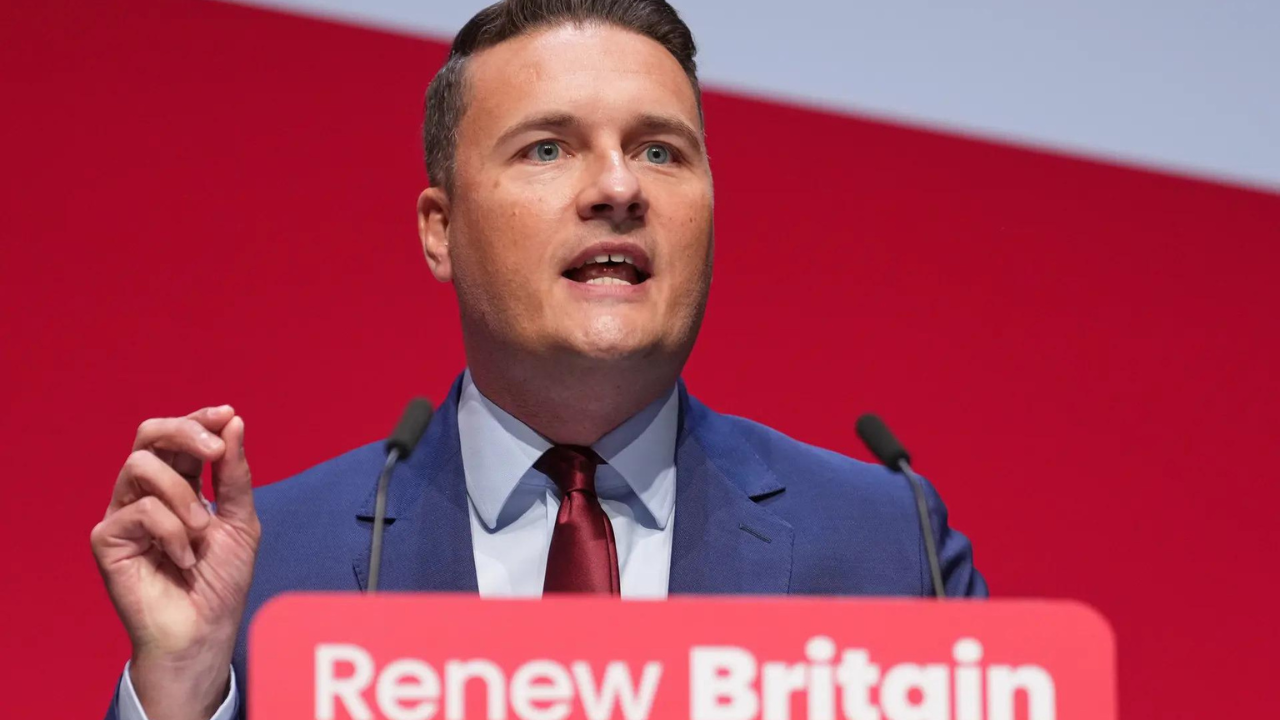
UK Health Secretary Wes Streeting has resigned, citing a loss of confidence in Prime Minister Keir Starmer's leadership. His resignation follows significant local election losses for the Labour Party and is seen as a prelude to a formal leadership challenge, potentially intensifying internal party pressure on Starmer.
Key Highlights
- Health Secretary Wes Streeting has resigned from his position.
- Streeting cited a loss of confidence in PM Keir Starmer's leadership.
- The resignation comes after poor Labour Party local election results.
- Streeting's move is widely seen as a precursor to a leadership challenge.
- Pressure mounts on Starmer to step down as party divisions deepen.
In a significant development within the UK's political landscape, Health Secretary Wes Streeting has resigned from his position, explicitly stating his loss of confidence in Prime Minister Keir Starmer's leadership. This move, occurring on May 14, 2026, comes in the wake of the Labour Party's dismal performance in recent local and regional elections, which has amplified internal party pressure on Starmer. Streeting's resignation is widely interpreted as a prelude to a formal leadership challenge, signaling a deepening rift within the Labour Party.
The catalyst for this political upheaval appears to be the Labour Party's significant losses in the local elections held on May 7, 2026. These results have been described as a "tough, clear warning" from voters to Starmer's government, with the party losing over half of its seats on local councils and suffering its worst-ever results in Scotland and Wales. The surge of the right-wing Reform UK party in these elections has further exacerbated the pressure on Starmer, highlighting the fragmentation of the UK's political landscape, which has long been dominated by Labour and the Conservatives.
In his resignation letter, Streeting articulated his concerns, stating that "where we need vision, we have a vacuum. Where we need direction, we have drift." He further expressed that "it is now clear that you will not lead the Labour Party into the next general election." Streeting's departure marks the first instance of a senior minister resigning to challenge Starmer's leadership. Allies of Streeting have indicated that he has garnered sufficient support from Members of Parliament (MPs) to trigger a formal leadership contest, which requires the backing of 81 MPs. However, reports suggest that Streeting may still be hoping for Starmer's voluntary resignation rather than forcing a contest.
This situation is not entirely unexpected, as Streeting's leadership ambitions have been a subject of speculation for some time. He is considered a prominent figure within the Labour Party, often described as being on the right wing of the party, though he has reportedly been seen to be veering leftward in recent months, possibly to appeal to the broader Labour membership. His potential challenge could open the door for other contenders, such as former Deputy Prime Minister Angela Rayner, who has recently resolved tax issues that had previously sidelined her, and Greater Manchester mayor Andy Burnham, although Burnham would need to win a Westminster seat to stand.
Prime Minister Keir Starmer, however, has shown no inclination to step down. He has stated that he takes responsibility for the election results but intends to "get on with governing" and fight any challenge to his leadership. Starmer's supporters within the party have also rallied around him, with over 100 MPs reportedly signing a letter in support, emphasizing that this is not the time for a leadership contest. The Labour Party rules stipulate that a challenger needs 81 MPs' signatures to trigger a contest, a threshold that Streeting's allies claim he has met, though Starmer's camp disputes this.
The political turmoil comes at a critical juncture for the Labour Party, which came to power in July 2024 after 14 years in opposition. Starmer's premiership has been marked by efforts to bring stability, but the recent election results and internal dissent have cast a shadow over his leadership. The appointment of Peter Mandelson as ambassador to Washington, and his subsequent issues, has also been a point of contention for the party.
For an audience in India, this story is relevant as it reflects broader global trends in political leadership and party dynamics. The internal struggles within a major opposition party in a key global economy like the UK can have ripple effects on international relations and economic stability. Understanding these power shifts provides insights into the challenges of leadership, electoral politics, and party unity in democratic systems, offering parallels or contrasts to political situations in India and other nations. The specific context of resignations and leadership challenges due to electoral performance is a recurring theme in politics worldwide.
Frequently Asked Questions
Why did Wes Streeting resign as UK Health Secretary?
Wes Streeting resigned, stating he had lost confidence in Prime Minister Keir Starmer's leadership. This followed the Labour Party's significant losses in recent local and regional elections, which he believes indicates Starmer will not lead the party to victory in the next general election.
Is Wes Streeting planning to challenge Keir Starmer for leadership?
Streeting's resignation is widely seen as a precursor to a formal leadership challenge against Keir Starmer. His allies claim he has secured the necessary support from MPs to trigger a contest.
What were the recent election results that triggered this crisis?
The Labour Party suffered heavy losses in local elections held on May 7, 2026, across England, Scotland, and Wales. These results have intensified pressure on Keir Starmer's leadership.