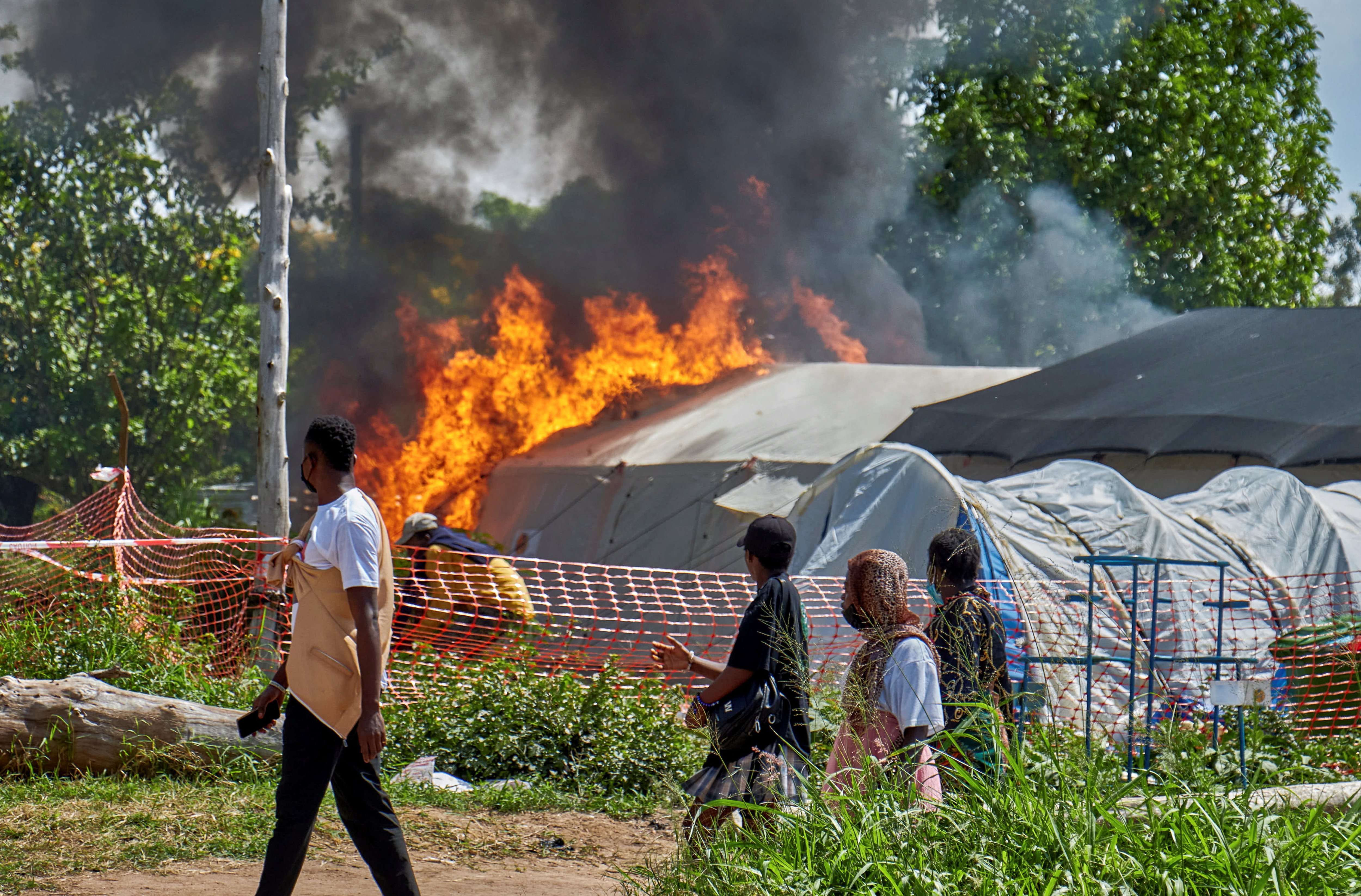
WHO Declares 'Very High' Ebola Risk in DR Congo, Uganda Outbreak
The World Health Organization (WHO) has upgraded the national public health risk from the Ebola outbreak in the Democratic Republic of Congo to "very high." This follows the declaration of a Public Health Emergency of International Concern (PHEIC) for an outbreak of the Bundibugyo Ebola virus strain, for which no approved vaccines exist.
Key Highlights
- WHO upgraded national Ebola risk in DR Congo to 'very high'.
- Outbreak caused by Bundibugyo virus, lacking approved vaccines.
- WHO declared Public Health Emergency of International Concern (PHEIC).
- Cases confirmed in DR Congo, Uganda, with international spread to Germany.
- Challenges include conflict, population movement, and urban spread.
- UN and US pledged significant funds for response efforts.
The World Health Organization (WHO) has significantly escalated its assessment of the public health risk posed by the ongoing Ebola outbreak in the Democratic Republic of Congo (DRC), upgrading it to 'very high' at the national level. This critical announcement was made by WHO Director-General Tedros Adhanom Ghebreyesus on Friday, May 22, 2026, during a press conference. The risk assessment for the regional level remains high, while the global risk is considered low.
This upgrade comes just days after the WHO chief declared a Public Health Emergency of International Concern (PHEIC) for the Ebola outbreak in both the Democratic Republic of Congo and neighboring Uganda on Sunday, May 17, 2026. This declaration was made under Article 12 of the International Health Regulations, a decision Tedros stated was not taken lightly and followed consultations with the health ministers of both affected countries.
A primary concern driving this heightened alert is that the current outbreak is caused by the **Bundibugyo virus**, a species of Ebola for which there are currently no approved vaccines or specific therapeutics. This contrasts sharply with previous outbreaks, such as the major 2018-2020 Kivu epidemic in DRC, where the rVSV-ZEBOV-GP vaccine for the Zaire ebolavirus strain proved highly effective in containing the spread. The absence of a targeted vaccine for the Bundibugyo strain presents a significant challenge to containment efforts.
The outbreak primarily affects the Ituri Province in the DRC. As of May 22, 2026, the WHO reported 82 confirmed cases and seven confirmed deaths in the Democratic Republic of Congo. However, Director-General Tedros indicated that the actual scale of the epidemic is likely much larger, with nearly 750 suspected cases and 177 suspected deaths reported.
The geographical spread of the virus is also a major concern. Cases have been confirmed in urban centers, including Kampala, the capital of Uganda, where two cases were identified in individuals who had traveled from Congo; one of these individuals has since died. Furthermore, an American citizen confirmed to have contracted the virus was transferred to Germany, highlighting the potential for international spread and underscoring the global implications of the outbreak.
Response efforts are complicated by several factors on the ground. The affected regions in the DRC are grappling with ongoing insecurity, humanitarian crises, and high population mobility, all of which accelerate the potential for disease transmission. The presence of armed rebel groups, as seen in the 2018-2020 outbreak, creates a difficult environment for health workers and complicates access to affected communities for surveillance, contact tracing, and safe burial practices. The urban or semi-urban nature of current hotspots and a large network of informal healthcare facilities further compound the risk of rapid spread.
In response to the escalating crisis, the international community has pledged support. On Friday, May 22, 2026, the United Nations released $60 million from its Central Emergency Response Fund to expedite the response in Congo and the wider region. Additionally, the United States has committed $23 million in funding to bolster efforts in Congo and Uganda, with plans to establish up to 50 Ebola treatment clinics in the affected areas. While the situation in neighboring Uganda is described as 'stable' with two confirmed cases and one death, strengthening preparedness and surveillance in bordering countries remains a critical component of the regional response strategy.
The WHO's declaration of a PHEIC signifies a serious public health event that poses a risk to other countries and requires a coordinated international response. This measure aims to mobilize global resources and attention to contain the outbreak and prevent further spread, especially given the challenges posed by the Bundibugyo strain and the complex humanitarian context in the affected regions.
Health authorities are focusing on early detection, rapid isolation of cases, intensification of public health actions around confirmed cases, strengthening community engagement, and bolstering the health system's capacity to effectively coordinate responses from local and international partners. The lessons learned from previous large-scale Ebola epidemics in the DRC, including the critical role of community acceptance and robust public health interventions, are vital in guiding the current response.
Frequently Asked Questions
What is the current status of the Ebola outbreak in the Democratic Republic of Congo and Uganda?
The World Health Organization (WHO) has upgraded the national public health risk in the Democratic Republic of Congo to 'very high' due to an ongoing Ebola outbreak. A Public Health Emergency of International Concern (PHEIC) was declared on May 17, 2026, affecting both DRC and Uganda.
What makes this particular Ebola outbreak so concerning?
This outbreak is caused by the Bundibugyo virus, a strain of Ebola for which there are currently no approved vaccines or specific treatments. This significantly complicates containment efforts compared to previous outbreaks involving the Zaire ebolavirus, for which an effective vaccine exists.
Which countries are currently affected by the Ebola outbreak?
The primary impact is in the Democratic Republic of Congo, specifically Ituri Province. Cases have also been confirmed in Uganda, notably in its capital Kampala. One international case involving an American citizen transferred to Germany has also been reported.
What challenges are humanitarian and health workers facing in controlling the outbreak?
Responders are contending with ongoing insecurity, humanitarian crises, and high population mobility in the affected regions. The urban or semi-urban nature of some hotspots and the prevalence of informal healthcare facilities further complicate efforts to track and contain the virus.
What is the international response to this Ebola emergency?
The United Nations has released $60 million from its emergency fund, and the United States has pledged $23 million in funding for response efforts in DRC and Uganda. These funds aim to accelerate the humanitarian and public health interventions, including the potential establishment of Ebola treatment clinics.