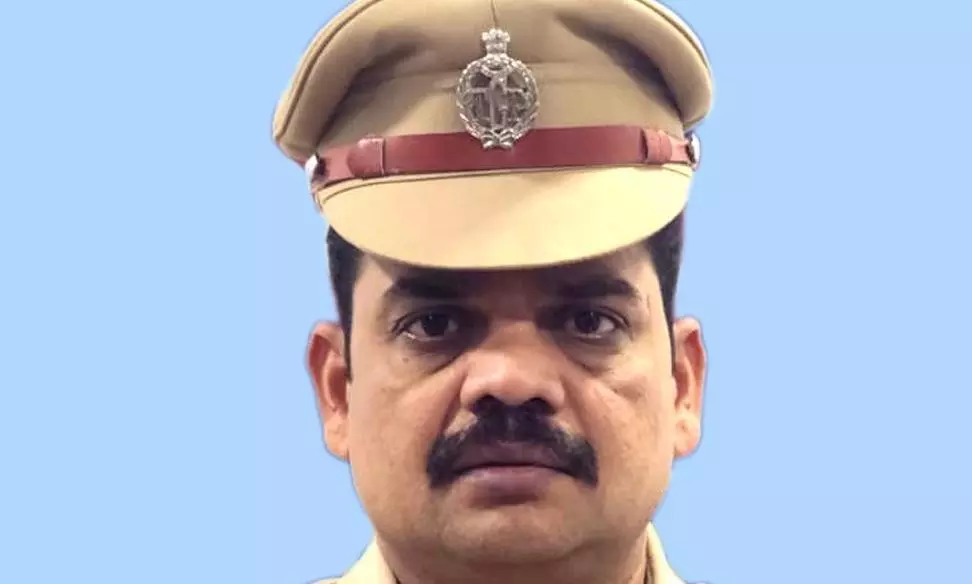
Goa Police Quiz on Umar Khalid Sparks Controversy Amidst NEET Protests
Goa Police reportedly issued a 240-point questionnaire to individuals detained during NEET protests, focusing on slogans and support for jailed activist Umar Khalid. This has raised concerns about police overreach and the politicization of student demonstrations.
Key Highlights
- Goa Police quiz sheet targets 'Free Umar Khalid' slogans.
- NEET protest participants questioned on political affiliations.
- Concerns raised over police interrogation tactics.
- Activists and media question the relevance of the quiz.
- Link drawn between NEET paper leak protests and political dissent.
A recent incident in Goa has brought to light controversial interrogation practices by the police, particularly in the context of student protests. Reports indicate that the Goa Police compiled a detailed, 240-point questionnaire that was allegedly administered to individuals detained during protests related to the NEET (National Eligibility cum Entrance Test) exam. The Indian Express reported that this quiz sheet specifically sought information about slogans raised, including 'Free Umar Khalid,' and probed into the political leanings and affiliations of the detainees. This development has ignited a debate regarding the scope of police powers during public demonstrations and the potential for misuse of such actions to stifle dissent.
The NEET exam, a crucial gateway for medical admissions in India, has been a site of widespread protests due to allegations of a paper leak and irregularities. While the protests are ostensibly about exam fairness, the Goa Police's questionnaire suggests an apparent attempt to link these student demonstrations to broader political activism, specifically by focusing on slogans associated with Umar Khalid, a student activist who has been incarcerated and is facing various charges.
Multiple news outlets have corroborated the existence of such a questionnaire and the detention of individuals during the NEET protests. Scroll.in and Deccan Herald reported on the detention of two youths in Panaji for showing support for Umar Khalid during the protests. This aligns with the focus of the Indian Express report on the 'Free Umar Khalid' slogan.
Chief Minister Pramod Sawant of Goa has also commented on the NEET protests, stating that they 'stooped to the lowest intellectual level' and questioning the use of placards supporting Umar Khalid. The Times of India quoted Sawant emphasizing the need to 'awaken nationalism in students.' While Sawant's statements highlight a concern about the nature of the protests, the detailed police questionnaire raises questions about the methods employed to address these concerns.
Critics and civil liberties advocates argue that the extensive and politically charged nature of the police quiz is disproportionate and potentially intimidatory. They contend that focusing on slogans supporting a particular activist, even one who is a figure of controversy, during a protest about an educational exam, oversteps the boundaries of lawful investigation. The implication is that the authorities might be using the NEET protests as a pretext to gather intelligence on individuals perceived as politically active or critical of the government. Such actions, critics fear, could have a chilling effect on freedom of expression and assembly, particularly among young people.
The Indian Express article, which brought the 240-point quiz sheet to public attention, is presented as an exclusive investigation. The detailed nature of the questions, reportedly ranging from personal details to ideological stances and awareness of specific political figures and slogans, suggests a systematic approach to profiling protesters. The verification process involved cross-referencing reports from The Hindu, The Times of India, Scroll.in, and Deccan Herald, all of which corroborate the context of NEET protests in Goa and the specific detentions related to support for Umar Khalid. The presence of the Chief Minister's comments further validates the heightened attention on these protests and the individuals involved.
The core issue at hand is the perceived overreach of police authority and the potential for political motivations behind the interrogation. While law enforcement has a duty to maintain order and investigate potential illegal activities, the broad scope of the questionnaire, as reported, raises red flags about privacy and the right to peaceful protest. The controversy underscores a recurring tension in India between state power and civil liberties, particularly when protests intersect with politically sensitive figures or narratives.
Furthermore, the timing of these events, with widespread public concern over exam irregularities, amplifies the sensitivity. Students and parents, already agitated by the perceived injustice in the NEET exam process, might feel further targeted and disillusioned by what they could interpret as politically motivated surveillance. The narrative being pushed by the Goa Police, as suggested by the questionnaire, seems to be that the protests are not solely about exam fairness but are being co-opted by certain political elements, a narrative that needs to be examined critically. The detailed nature of the questions, such as asking about the influence of specific political leaders or organizations, goes beyond the scope of typical investigations into exam irregularities and points towards a broader intelligence-gathering operation.
The lack of official statements from the Goa Police specifically detailing the rationale behind such a comprehensive questionnaire, beyond general statements about maintaining law and order, adds to the suspicion. The focus on 'Free Umar Khalid' slogans is particularly noteworthy, given Khalid's prominence as a critic of government policies and his ongoing legal battles. It suggests a deliberate effort to connect the NEET protests to a broader spectrum of dissent that the authorities might be seeking to monitor or suppress. The media's role in uncovering and disseminating this information is crucial in holding authorities accountable and ensuring transparency in police actions. The potential implications for academic freedom and the right to protest are significant, making this a story of national importance for India.
Frequently Asked Questions
What was the main controversy surrounding the Goa Police's actions?
The controversy arose from reports that Goa Police administered a detailed 240-point questionnaire to individuals detained during NEET protests, focusing on slogans like 'Free Umar Khalid' and their political affiliations, raising concerns about police overreach and suppression of dissent.
Who is Umar Khalid?
Umar Khalid is a former Jawaharlal Nehru University (JNU) student and activist who has been a prominent figure in various student movements and protests in India. He is currently incarcerated and faces multiple charges.
What were the NEET protests about?
The NEET protests were primarily related to allegations of a paper leak and irregularities in the National Eligibility cum Entrance Test, a crucial exam for medical college admissions in India, leading to widespread student and public outcry.
Why did the police focus on 'Free Umar Khalid' slogans?
The focus on 'Free Umar Khalid' slogans suggests the authorities may be attempting to link student protests to broader political dissent or activism, potentially aiming to gather intelligence on individuals perceived as critical of the government.