Mamata Releases TMC Manifesto, Alleges 'Unofficial President's Rule' in Bengal
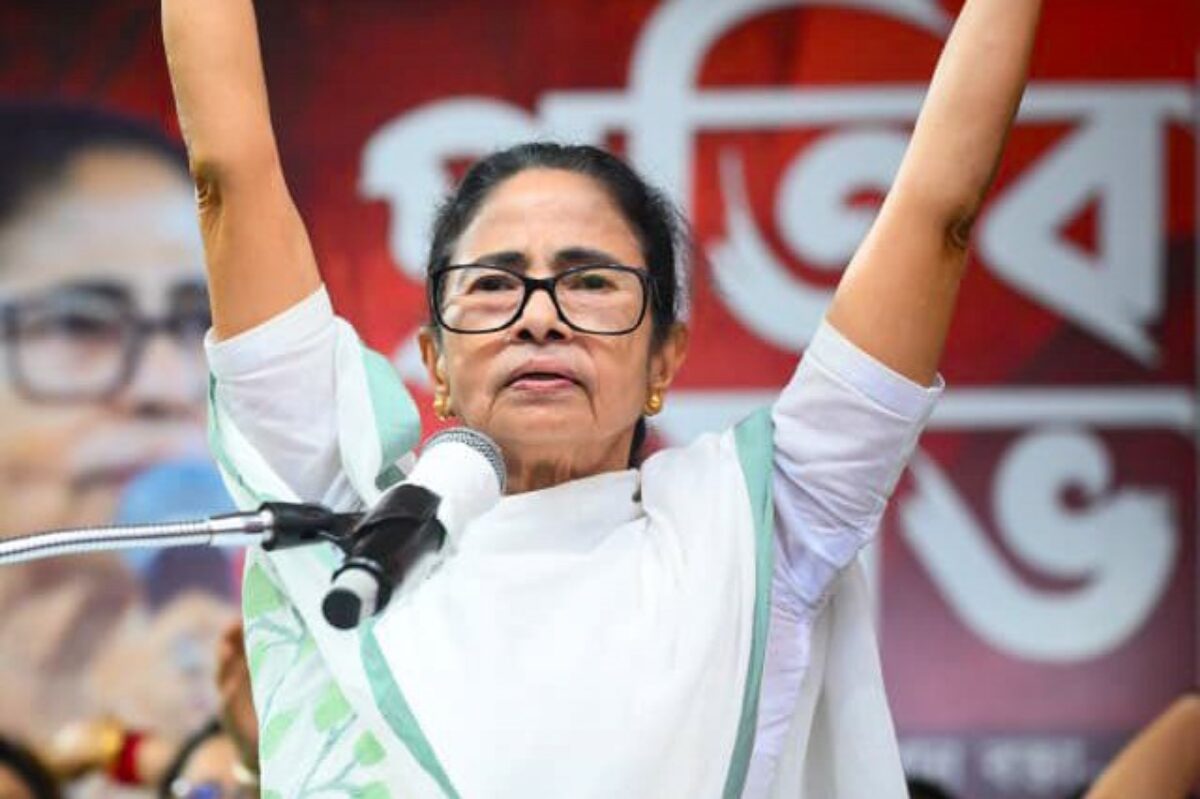
West Bengal Chief Minister Mamata Banerjee launched the TMC manifesto for the upcoming assembly elections, accusing the BJP of imposing 'unofficial President's Rule' in the state. The manifesto focuses on welfare schemes and economic development.
Key Highlights
- TMC releases election manifesto for West Bengal polls.
- Mamata Banerjee accuses BJP of 'unofficial President's Rule'.
- Manifesto highlights welfare and economic development plans.
- Focus on farmers, women, and youth empowerment.
- TMC promises to continue existing schemes.
- Elections in West Bengal are approaching.
West Bengal Chief Minister Mamata Banerjee, on behalf of the Trinamool Congress (TMC), released the party's manifesto for the upcoming state assembly elections, a move that traditionally sets the tone for electoral campaigns. The release was accompanied by a strong accusation against the Bharatiya Janata Party (BJP), with Banerjee claiming that an 'unofficial President's Rule' has been imposed in Bengal, underscoring the political tensions leading up to the polls. This statement from the Chief Minister suggests a narrative of perceived central government overreach and interference in state affairs, a common theme in Indian federal politics, particularly in states where a strong regional party is in power and the BJP is seeking to expand its influence.
The TMC manifesto, details of which were highlighted during the release event, is reported to center on the continuation and expansion of various welfare schemes, a cornerstone of the party's electoral strategy in West Bengal. Key areas of focus are expected to include provisions for farmers, women, and the youth, reflecting the demographic and social priorities of the state. Promises likely include enhanced financial assistance for agricultural communities, increased support for women's empowerment programs, and initiatives aimed at creating employment opportunities for the younger generation. The party aims to leverage its past performance in governance, emphasizing its commitment to social justice and inclusive development.
The accusation of 'unofficial President's Rule' signifies a strategic political attack by the TMC, aiming to galvanize its support base against the BJP by portraying the central government as undemocratic and overbearing. This rhetoric seeks to frame the election as a battle for the state's autonomy and identity, encouraging voters to rally behind the incumbent government to protect their interests. Such claims often involve highlighting specific incidents or policies that the opposition perceives as federal overreach, including the alleged misuse of central agencies or the imposition of central directives without adequate consultation.
The release of the manifesto is a crucial step in the electoral process, offering voters a clear outline of the party's vision and policy agenda for the next five years. For the TMC, it's an opportunity to reiterate its commitment to the people of West Bengal and to differentiate itself from the BJP's national agenda. The manifesto is expected to detail specific financial allocations, project implementations, and policy reforms designed to address the state's socio-economic challenges, including poverty, unemployment, and regional disparities. The party will likely draw parallels between its achievements and the promises made in the manifesto, urging voters to grant them another term to fulfill their commitments.
Furthermore, the political climate in West Bengal is known for its intensity, and the upcoming elections are anticipated to be highly competitive. The TMC, led by Mamata Banerjee, has been in power for a significant period, and the BJP has been actively working to dislodge it. The release of the manifesto and the accompanying strong political statements are indicative of the aggressive campaigning strategies being employed by both major parties. The focus on welfare schemes in the manifesto is a tried-and-tested approach in Indian elections, particularly in states with a significant rural and economically weaker population. The TMC's strategy appears to be one of consolidating its existing support by promising continuity and enhanced benefits, while simultaneously creating a strong narrative against the opposition by raising concerns about federalism and state autonomy.
The election in West Bengal is not just a state-level contest but also holds national significance, as it is viewed as a key battleground for political influence. The outcome will have implications for the broader political landscape of India, particularly concerning the strength of regional parties versus national parties. The TMC's manifesto release, therefore, is more than just a policy document; it is a political statement designed to shape public opinion and secure electoral victory in a highly charged political environment. The 'unofficial President's Rule' claim, while politically charged, serves to rally support by appealing to sentiments of regional pride and a desire for self-governance.
Frequently Asked Questions
What did Mamata Banerjee accuse the BJP of?
Mamata Banerjee accused the BJP of imposing 'unofficial President's Rule' in West Bengal, suggesting undue interference by the central government in state affairs.
What are the main highlights of the TMC manifesto?
The TMC manifesto focuses on continuing and expanding welfare schemes, with key promises for farmers, women, and the youth, alongside plans for economic development.
What is the significance of the 'unofficial President's Rule' claim?
This claim is a political strategy by the TMC to portray the BJP-led central government as authoritarian and to rally support by appealing to sentiments of state autonomy and regional pride.
When are the West Bengal assembly elections scheduled?
The article refers to the upcoming assembly elections in 2026. Specific dates would be announced by the Election Commission of India.