US-Iran Tensions Escalate: Gulf Strikes, Kharg Island Explosion Reported
Tensions between the US and Iran have escalated sharply with a series of military exchanges across the Gulf region. Recent events include US strikes on Iranian radar sites, Iranian missile and drone attacks on Kuwait and Bahrain, and reports of an explosion on Iran's Kharg Island, which Tehran attributed to a controlled ammunition detonation.
Key Highlights
- US and Iran engage in reciprocal military strikes across the Persian Gulf.
- Iran's Kharg Island experienced an explosion, attributed by Tehran to controlled detonation.
- US military intercepted Iranian missiles and drones targeting Gulf allies.
- Iran condemned US strikes on Sirik and Qeshm Island as ceasefire violations.
- IRGC claimed targeting tankers in Strait of Hormuz amid heightened maritime security.
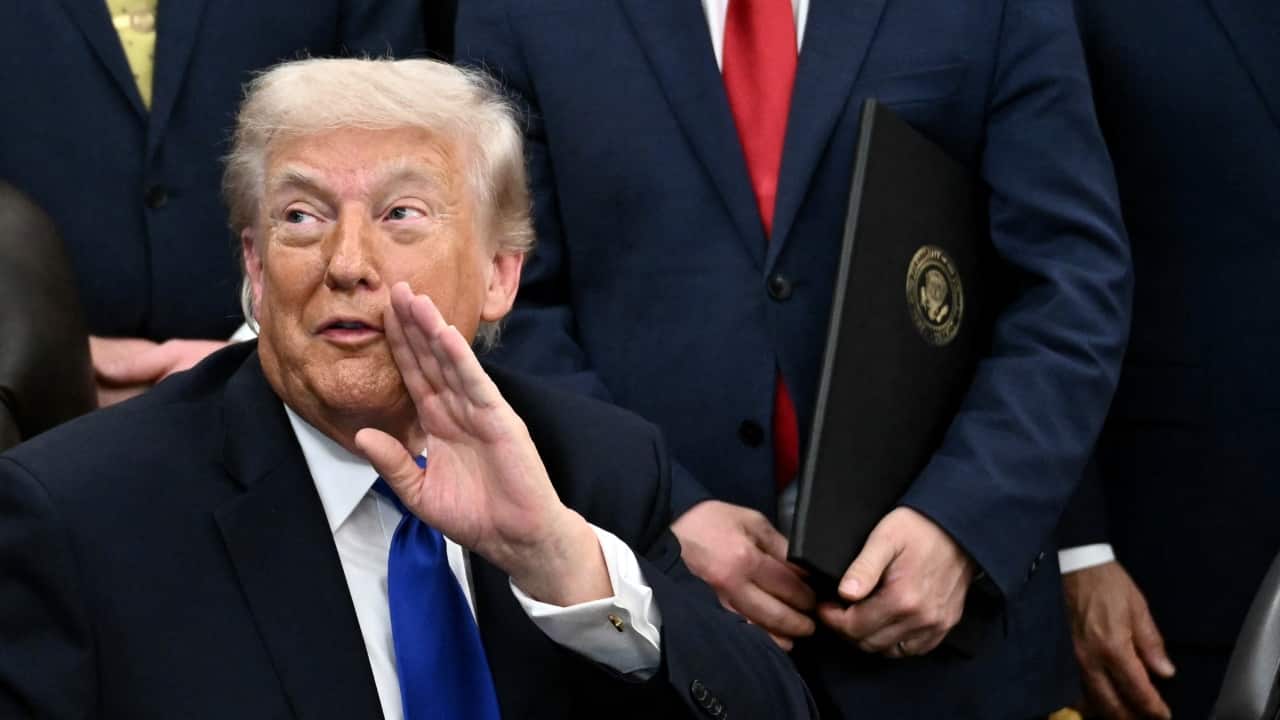
- President Trump commented on the ongoing conflict, highlighting Iran's reduced missile capacity.
Tensions between the United States and Iran have reached a critical juncture in early June 2026, marked by a series of intense military exchanges across the strategically vital Persian Gulf region. The Hindustan Times article, functioning as a live blog, accurately reflects the ongoing nature of this volatile situation.
One of the key events reported is an explosion near Iran's Kharg Island. According to Iran's Tasnim and Fars news agencies, this incident, which occurred on a Sunday and was reported on June 6, 2026, was attributed to a controlled detonation of ammunition by the Islamic Revolutionary Guard Corps (IRGC) teams. However, it's important to note that another Iranian news agency, Mehr, initially denied reports of an explosion or activated air defenses on Kharg Island, indicating some conflicting narratives around the event. Roya News further elaborated that the explosion on Saturday, June 6, 2026, followed a night of intensive military exchanges, with the IRGC having issued a prior advisory regarding controlled detonations of unexploded ordnance.
The broader context is a significant escalation of a conflict that Britannica notes began on February 28, 2026, though it clarifies that the United States has not formally declared war. Multiple credible sources corroborate widespread military activity. The U.S. military has conducted self-defense strikes on Iranian coastal surveillance radar sites in the Sirik area and on Qeshm Island around June 5-6, 2026. These strikes were a response to perceived aggressive Iranian actions. Iran's Foreign Ministry strongly condemned these U.S. actions, labeling them as flagrant violations of an April 8 ceasefire agreement and acts of aggression against its sovereignty.
In turn, Iran has launched missile and drone attacks. On Friday, June 5, 2026, the U.S. military reported shooting down four Iranian drones aimed at the Strait of Hormuz. Hours later, Iran fired seven ballistic missiles towards Kuwait and Bahrain, key U.S. Gulf allies. Six of these missiles were successfully intercepted by U.S. and allied air defense systems, while one failed to reach its intended target. Kuwait and Bahrain have both condemned these attacks as dangerous escalations and violations of their sovereignty, activating emergency measures and sounding air raid sirens.
Maritime security in the Strait of Hormuz remains a central point of contention. The IRGC claimed on June 6, 2026, that it targeted one of four oil tankers attempting to transit the Strait without authorization, striking one and causing the others to turn back. Separately, on June 2, 2026, U.S. forces reported disabling a tanker, the M/T Lexie, heading towards Iran's Kharg Island after it ignored multiple warnings. CENTCOM, while denying IRGC claims of its tankers being targeted, acknowledged shooting down drones approaching shipping lanes. The Strait, a crucial corridor for global oil and natural gas shipments, has been effectively closed by Tehran since late February, contributing to rising energy prices and global economic disruption.
U.S. President Donald Trump has also made recent statements regarding the ongoing situation, downplaying the conflict as "practice" and asserting that Iran has significantly reduced its missile capacity, retaining only about 21-22%. He expressed optimism about ongoing talks but acknowledged that no final deal has been reached due to Iran's "pride." The US is reportedly enforcing a blockade on Iranian ports, leading to further confrontation over maritime activities.
The headline's use of "US-Iran war LIVE" is somewhat sensationalized as the US has not formally declared war, though the term "war" is used by some sources to describe the intense, ongoing conflict that has been active since February 2026. However, the "LIVE" aspect is accurate, as the Hindustan Times article and many other news outlets are providing real-time updates on a rapidly evolving and dangerous situation. The reference to the Kharg Island explosion being a "controlled ammunition detonation" accurately reflects the Iranian official explanation provided in the article itself.
For an Indian audience, this news is highly significant due to its direct implications for global oil prices, shipping security through the Strait of Hormuz, and the safety and economic well-being of the large Indian diaspora in the Gulf region. Escalations in this conflict could lead to substantial economic repercussions and regional instability affecting India's strategic interests.
Frequently Asked Questions
What is the current status of the US-Iran conflict?
The US and Iran are engaged in a tense military conflict marked by reciprocal strikes, missile and drone attacks, and confrontations over maritime shipping in the Persian Gulf. While not a formally declared war, the situation is highly volatile and ongoing.
What caused the explosion on Iran's Kharg Island?
Iranian news agencies Tasnim and Fars reported that the explosion near Kharg Island was a controlled detonation of ammunition by IRGC demining teams. However, another Iranian agency, Mehr, initially denied reports of an explosion.
How have other Gulf countries been affected by the recent escalation?
Kuwait and Bahrain have been directly targeted by Iranian ballistic missiles and drones, which were largely intercepted by air defense systems. Both countries have condemned these attacks and activated emergency responses.
What role does the Strait of Hormuz play in this conflict?
The Strait of Hormuz is a critical global shipping lane for oil and gas that Iran has reportedly closed since late February 2026. Recent incidents include IRGC claims of targeting tankers and a US action disabling a tanker attempting to reach Kharg Island, highlighting its central role in the conflict.
What is President Trump's perspective on the US-Iran situation?
President Trump has downplayed the conflict as 'practice' and asserted that Iran's missile capacity has been significantly reduced. He has expressed optimism about ongoing negotiations, despite acknowledging that a deal has not yet been reached due to Iranian 'pride.'