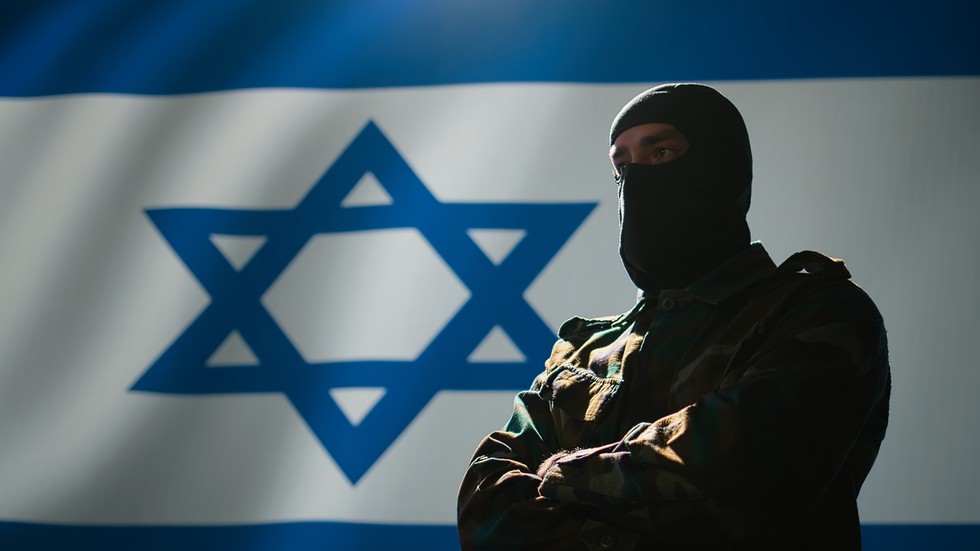
Israel accused of spying on US negotiators for Iran deal; threat level critical
US intelligence reports indicate Israel has intensified espionage against American negotiators involved in the Iran peace talks, raising the counterintelligence threat level to 'critical.' While both nations have a history of mutual surveillance, recent Israeli actions are seen by some US officials as having crossed an unacceptable line. Israel and the White House have denied the allegations.
Key Highlights
- Israel allegedly increased surveillance on US officials negotiating Iran deal.
- US intelligence raised Israel's espionage threat level to 'critical'.
- US officials believe Israeli actions have crossed an unacceptable threshold.
- Specific US officials, including negotiators, were reportedly targeted.
- Israel and the White House have denied the allegations.
Recent US intelligence reports suggest that Israel has significantly escalated its espionage efforts targeting American negotiators involved in peace talks with Iran. This has led the Pentagon to raise the counterintelligence threat assessment for Israel to 'critical,' the highest possible level. According to The New York Times, citing US officials familiar with the assessments, Israeli spy agencies have allegedly been eavesdropping on senior American officials. These officials include President Donald Trump's top negotiator, Steve Witkoff, Pentagon policy chief Elbridge Colby, and deputy assistant secretary Michael DiMino IV. The report indicates that Israel is seeking to gain insight into the US negotiating strategy and its evolving positions concerning Tehran. The Defense Intelligence Agency (DIA) assessment reportedly elevated Israel's counterintelligence threat level from 'high' to 'critical' in recent weeks, citing concerns over alleged efforts to spy on US military personnel and government officials. These concerns are reportedly fueled by incidents where American defense personnel in Israel discovered surveillance software secretly installed on their mobile phones, capable of intercepting communications. While the US and Israel have a long-standing, albeit often unacknowledged, history of mutual espionage, some American officials believe that Israel's recent intensified efforts have 'crossed a line.' The alleged espionage activities have occurred amid unprecedented military cooperation between the US and Israel in their campaign against Iran. However, underlying strategic differences have emerged between Washington and Tel Aviv regarding the objectives of the conflict and the terms of a potential settlement with Iran. The report also references previous alleged incidents, including Israeli intelligence officers being caught attempting to plant listening devices at DIA headquarters in 2021 and Shin Bet agents allegedly trying to place a listening device in a US Secret Service vehicle. The White House has officially disputed aspects of the reporting, with a White House official calling the account false. A spokesperson for the Israeli embassy in Washington has denied that Israel spies on American officials or entities, stating that the allegations are completely false and politically motivated. Despite the denials, the heightened threat assessment could lead the Pentagon to impose new restrictions on information-sharing with Israeli officers, potentially complicating military integration. The situation highlights existing tensions, with President Trump pursuing diplomacy with Iran while Israeli Prime Minister Benjamin Netanyahu reportedly seeks to further weaken Iran and its allies. The Hindustan Times article, published on June 7, 2026, corroborates these reports, citing The New York Times and US intelligence assessments. The related articles from NDTV and The Times of India also confirm the core allegations of increased Israeli espionage and the raised threat level. Historically, such accusations of Israeli spying on US negotiations related to Iran have surfaced before, notably in 2015, when The Wall Street Journal reported on allegations of Israel spying on nuclear talks and using the intelligence to lobby Congress against a deal. At that time, Israel had also denied such claims. The current allegations, however, come at a critical juncture in the ongoing conflict and diplomatic efforts, underscoring the complex and often tense relationship between the two close allies.
Frequently Asked Questions
What are the main allegations against Israel regarding the US negotiations with Iran?
US intelligence reports allege that Israel has intensified its espionage activities, including eavesdropping on senior American officials involved in the negotiations with Iran. This has led to the US raising its counterintelligence threat assessment for Israel to the highest level, 'critical.'
Which US officials were allegedly targeted by Israeli espionage?
According to reports, senior US officials allegedly targeted include Steve Witkoff (US President Donald Trump's top negotiator), Elbridge Colby (Undersecretary of War for Policy), and Michael P. DiMino IV (Deputy Assistant Secretary of War).
What has been the response from the US and Israeli governments?
A White House official has disputed aspects of the reporting, calling it false. Israel has also denied the allegations, with an Israeli Embassy spokesperson stating that Israel does not spy on American officials or institutions and calling the claims politically motivated.
Why is this espionage alleged to be happening now?
The alleged espionage is reportedly occurring as Washington and Tehran engage in negotiations for a peace deal with Iran. Differences have emerged between the US and Israel regarding the objectives of the conflict and the terms of a potential settlement, and Israel is reportedly seeking insight into the US negotiating strategy and evolving positions.
What is the significance of the 'critical' threat level designation?
Raising Israel's counterintelligence threat level to 'critical' is the highest designation and indicates a severe concern. This could potentially lead the Pentagon to impose new restrictions on information-sharing with Israeli officers, impacting military cooperation between the two close allies.