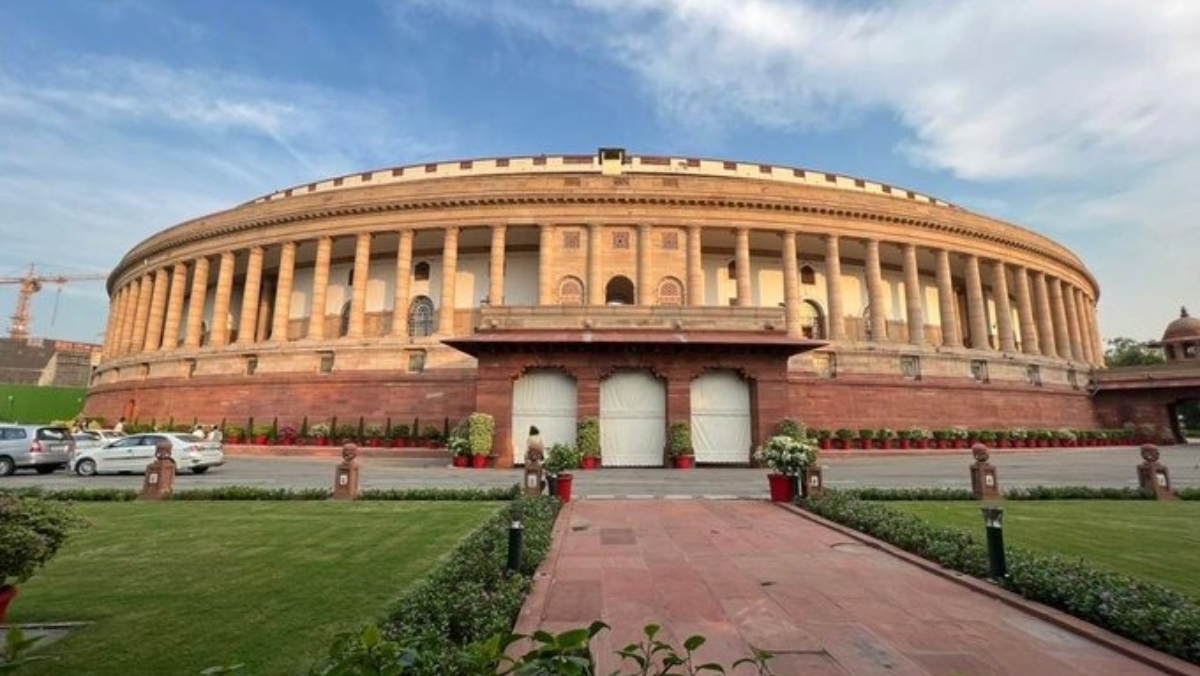
Parliament to Debate Early Implementation of Women's Reservation Act
The Indian government has confirmed extra parliamentary sittings from April 16-18, 2026, to debate amendments to the Women's Reservation Act, 2023. These amendments aim to expedite the Act's implementation, potentially delinking it from the delayed census and delimitation process, and could involve increasing Lok Sabha seats.
Key Highlights
- Government confirmed extra sittings for Women's Reservation Act amendments.
- Parliament's Budget Session reconvenes April 16-18 for this debate.
- Amendments seek to expedite the Act's implementation before 2029 polls.
- Proposals include using 2011 Census for delimitation and increasing Lok Sabha seats.
- Opposition alleges political timing, demands transparent discussions.
- Original Act mandates 33% reservation but tied to future census and delimitation.
The Indian government has officially confirmed that extra parliamentary sittings will be held to discuss and debate proposed amendments to the Constitution (One Hundred and Sixth Amendment) Act, 2023, widely known as the Women's Reservation Act or Nari Shakti Vandan Adhiniyam. Union Parliamentary Affairs Minister Kiren Rijiju announced on April 2, 2026, that the ongoing Budget Session, which was initially scheduled to conclude on Thursday, would instead go into a short recess and reconvene from April 16 to April 18, 2026, specifically to address these crucial amendments.
The Women's Reservation Act, passed with overwhelming support in September 2023, reserves one-third (33%) of seats for women in the Lok Sabha, State Legislative Assemblies, and the Legislative Assembly of the National Capital Territory of Delhi. While celebrated as a landmark step towards gender equality and enhancing women's political participation, its implementation was initially tied to two preconditions: the completion of the next decadal census (which was delayed from 2021 due to the COVID-19 pandemic) and a subsequent delimitation exercise to redraw constituencies. This linkage meant that the Act's provisions were not expected to come into effect until at least after 2026, potentially delaying implementation beyond the 2029 general elections.
The current move by the government is a significant shift, signaling an intent to fast-track the Act's rollout. The proposed amendments aim to delink the implementation from the delayed census and delimitation process. According to government sources, a key proposal under consideration is to use the 2011 Census data as the basis for a rapid delimitation exercise, thereby bypassing the wait for the upcoming census. This accelerated approach is designed to enable the implementation of women's reservation potentially ahead of the 2029 Lok Sabha elections.
Furthermore, the government is reportedly contemplating a constitutional amendment that would increase the total strength of the Lok Sabha from its current 543 seats to 816 seats. Out of these expanded seats, approximately 273 would then be reserved for women, ensuring the one-third quota. This strategy aims to accommodate the women's reservation without reducing the number of existing male incumbents, addressing a potential political challenge.
The decision to extend the parliamentary session and bring these amendments has sparked reactions from the opposition. The Congress party and other constituents of the INDIA bloc have accused the government of maintaining unnecessary secrecy and questioned the timing of these changes. They allege that the amendments are being introduced in the midst of an election campaign (referring to ongoing state elections in West Bengal and Tamil Nadu, and possibly anticipating upcoming general elections) to derive political mileage. While the opposition has generally supported the women's reservation, their concerns revolve around the transparency of the process and the government's perceived opportunistic timing.
Union Home Minister Amit Shah has reportedly reached out to several opposition leaders, including Supriya Sule of the NCP-SP and YSRCP MP Midhun Reddy, to discuss the Centre's proposal to delink the women's reservation rollout from the 2027 census exercise. These informal discussions have been ongoing, though consensus among all parties remains a challenge. The government's willingness to hold extra sittings for a detailed debate, rather than rushing the process, indicates an effort to build broader consensus and address differing viewpoints before finalizing the amendments.
The Nari Shakti Vandan Adhiniyam, as it stands, also mandates that a quota for Scheduled Castes and Scheduled Tribes be established within the reserved seats for women. The rotation of these reserved seats is to be determined by parliamentary legislation after each delimitation exercise. The current legislative move aims to overcome the "constitutional and logistical barrier" that linked the Act's operationalization to future demographic exercises, a linkage that opposition parties had criticized as an "indeterminate timeline." The government's commitment to fulfilling its promise to the women of the country, as stated by Minister Rijiju, underscores the political will behind these proposed changes.
Frequently Asked Questions
What is the Women's Reservation Act, 2023?
The Women's Reservation Act, officially known as the Constitution (One Hundred and Sixth Amendment) Act, 2023, or Nari Shakti Vandan Adhiniyam, mandates a 33% reservation of seats for women in the Lok Sabha (lower house of Parliament) and State Legislative Assemblies in India.
Why is the government planning extra parliamentary sittings for this Act?
The extra sittings are planned to debate and pass amendments aimed at expediting the implementation of the Women's Reservation Act. Its original implementation was tied to the completion of a future census and delimitation exercise, causing significant delays. The government now seeks to bring it into effect sooner.
What are the proposed amendments to the Women's Reservation Act?
Key proposals include delinking the Act's implementation from the delayed census, possibly by using the 2011 Census data for a quick delimitation process. There is also consideration to increase the total number of Lok Sabha seats to 816, with 273 seats reserved for women, to accommodate the quota without impacting existing constituencies.
When is the Women's Reservation Act expected to be implemented now?
With the proposed amendments, the government aims to implement the Women's Reservation Act potentially before the 2029 general elections, rather than the earlier timeline which pushed it beyond 2030 due to the census and delimitation requirements.
What is the opposition's stance on these proposed amendments?
While generally supportive of women's reservation, opposition parties like the Congress have raised concerns about the timing of these amendments, accusing the government of seeking political mileage during election season and demanding greater transparency in the process.