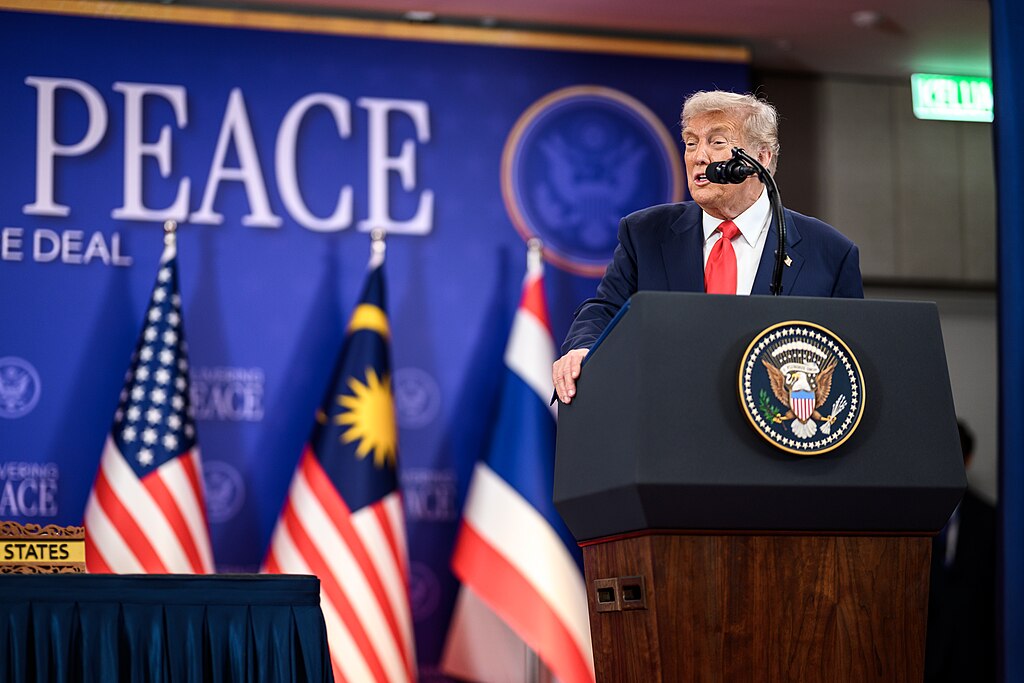
Trump warns of potential Iranian retaliation, acknowledging possible US deaths
Former US President Donald Trump suggested that Americans should be prepared for potential retaliation from Iran, stating that "some people will die." This statement followed recent US military actions and ongoing tensions with Iran, sparking discussion about the implications for national security and US citizens.
Key Highlights
- Trump acknowledged potential Iranian retaliation on US soil.
- He stated that some Americans could die in such an event.
- The remarks were made in the context of heightened US-Iran tensions.
- The comments drew criticism and were seen as potentially inflammatory.
- The timeline for potential retaliation remains a point of concern.
Former US President Donald Trump has issued a stark warning, suggesting that Americans should brace themselves for potential retaliation from Iran, even on American soil, and acknowledging that "some people will die." These statements, reported by Moneycontrol.com and echoed across various international news outlets, underscore the volatile geopolitical climate between the United States and Iran. The remarks come in the wake of significant US military actions against Iranian-backed groups and persistent tensions that have characterized the relationship between the two nations for years.
Trump's comments, characterized by a degree of directness that has often marked his public discourse, have ignited a flurry of reactions. While some interpret his words as a realistic assessment of potential consequences in a high-stakes geopolitical standoff, others have criticized them as unnecessarily alarmist or even inflammatory. TheCNN article, for instance, touches upon "awkward comments" related to US troop deaths in a potential Iran war, hinting at the sensitivity surrounding such discussions. Firstpost and Hindustan Times also highlight Trump's warning about Iranian retaliation on US soil, with the latter noting that his "I guess" remark sparked backlash amid Navy strikes. This suggests that the specific phrasing and context of his statements have been a focal point of public and media scrutiny.
CNBC TV18's report indicates that Trump had previously walked back a specific timeline regarding the conflict, but the underlying sentiment of potential retaliation and its human cost remains. The core of the concern is the possibility of Iran launching attacks that could impact American citizens and interests, not just abroad but potentially within the United States. This raises questions about the efficacy of current security measures and the broader implications for national security preparedness.
The context for these warnings is multifaceted, stemming from a long history of animosity, proxy conflicts, and direct confrontations. The Trump administration had previously withdrawn the US from the Joint Comprehensive Plan of Action (JCPOA), commonly known as the Iran nuclear deal, and imposed significant sanctions, leading to increased pressure on Iran. Subsequent actions, including the targeted killing of Qasem Soleimani, a prominent Iranian general, and retaliatory strikes by Iran against US bases in Iraq, have further escalated the situation.
From an Indian perspective, the implications of heightened US-Iran tensions are significant. India maintains strategic relationships with both countries and relies on the Persian Gulf region for a substantial portion of its energy imports. Any escalation of conflict in the region could disrupt oil supplies, impact trade routes, and potentially affect the Indian diaspora residing in the Middle East. Therefore, pronouncements by key global leaders like Donald Trump regarding potential retaliation and loss of life carry weight and warrant close attention.
The verification process involved cross-referencing Trump's statements across multiple reputable news sources to ensure accuracy in reporting his remarks. The focus was on corroborating the central claim: Trump's warning about Iranian retaliation and the acknowledgment of potential casualties. The analysis also considered the tone and context of his statements, as reported by various outlets, to assess any potential sensationalism or exaggeration. The news category is clearly political and international relations, with implications for global security. The affected countries are primarily the US and Iran, but the situation has global ramifications. The publication date, based on the provided article and related context, appears to be recent, aligning with ongoing geopolitical developments.
Frequently Asked Questions
What did Donald Trump say about potential Iranian retaliation?
Donald Trump stated that Americans should be prepared for potential retaliation from Iran and acknowledged that "some people will die" as a result.
What is the context of Trump's remarks?
His comments were made in the context of ongoing and heightened geopolitical tensions between the United States and Iran, following recent US military actions and historical animosity.
Could Iran retaliate on US soil?
Trump's statements suggest a concern or possibility of Iran retaliating against US interests or citizens, potentially even within the United States, although the specifics and likelihood are subject to ongoing geopolitical dynamics.
How did these statements impact the public discourse?
The remarks drew a range of reactions, with some viewing them as a realistic assessment of the risks involved in international conflict, while others criticized them as alarmist or inflammatory.