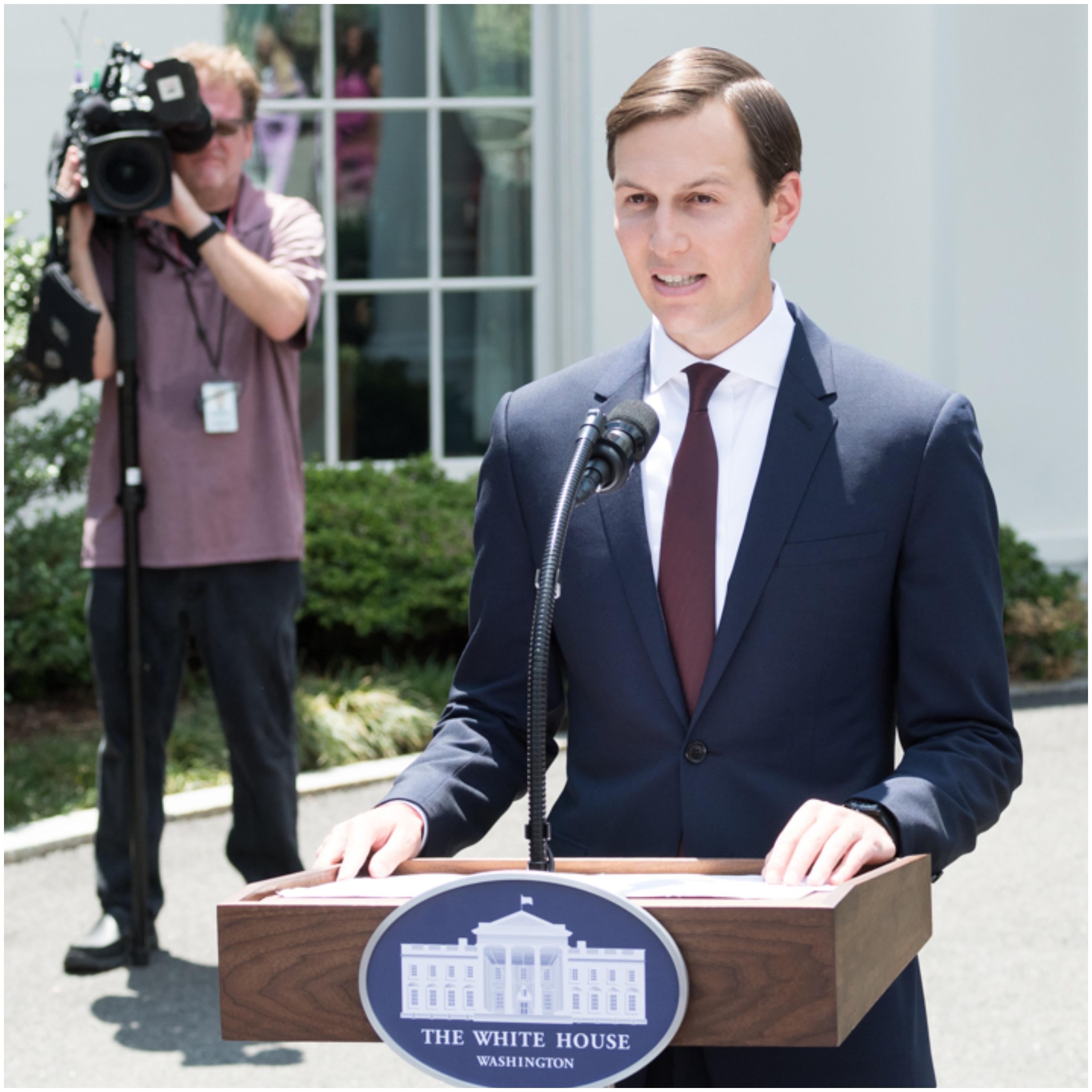
Trump threatens Iran strikes, offers Middle East 'guardian' role for revenue
Former President Donald Trump has warned of renewed military strikes on Iran if nuclear talks fail, and alternatively proposed the U.S. could act as the "guardian of the Middle East" in exchange for 20% of the region's revenues. These statements were made in interviews with The New York Times.
Key Highlights
- Trump threatens renewed military action against Iran.
- U.S. may become Middle East 'guardian' for revenue.
- Nuclear talks with Iran remain a critical point.
- Strait of Hormuz's status is a key negotiation point.
- Geopolitical tensions in the Middle East persist.
Former U.S. President Donald Trump has issued a stark warning regarding Iran, stating that he would restart military attacks on Tehran if nuclear negotiations fail. In a striking alternative, Trump proposed that the United States could assume the role of the "guardian of the Middle East" in exchange for 20% of the region's revenues, according to interviews with The New York Times. These statements highlight the volatile geopolitical climate surrounding Iran's nuclear program and its regional influence.
The context of these pronouncements is a complex and ongoing series of negotiations and tensions between the U.S. and Iran, particularly concerning Iran's nuclear ambitions and its impact on Middle Eastern security. The U.S. previously withdrew from the Joint Comprehensive Plan of Action (JCPOA), the Iran nuclear deal, in 2018, a move that led to Iran accelerating its uranium enrichment and limiting international inspections. Recent reports indicate a renewed, albeit fragile, attempt at diplomacy, with various rounds of talks occurring throughout 2025 and 2026, often mediated by countries like Oman and Pakistan. These negotiations have been fraught with mistrust and difficulty, with key sticking points including verification measures, Iran's enriched uranium stockpile, and the future of its enrichment capabilities.
Trump's threat of renewed strikes and his offer to become the region's "guardian" underscore his assertive, transactional approach to foreign policy. This approach contrasts with the more traditional diplomatic efforts aimed at de-escalation and mutual security. The economic implications of these tensions are significant, with the Strait of Hormuz, a vital waterway for global energy supplies, frequently cited as a point of contention. Iran has previously threatened to close the strait, and intelligence suggests potential actions by Iran or its proxies to disrupt international trade through it. The U.S. has maintained a strong stance, reinforcing its commitment to regional security and deterring Iranian aggression.
Recent developments suggest that a preliminary agreement, a Memorandum of Understanding (MOU), was signed on June 17, 2026, outlining conditions for ending the conflict and providing a 60-day window for further negotiations. However, the details of this agreement have been a subject of debate and scrutiny. For instance, initial reports indicated that the U.S. would not unfreeze Iranian assets or lift sanctions upfront, yet the agreement allows for immediate waivers for Iran's oil exports, potentially generating billions in revenue. A larger reconstruction fund for Iran is also mentioned, with a significant portion reportedly committed by private investors. Critically, the MOU remains vague on the future of Iran's nuclear program, a core issue that led to past U.S. withdrawals and subsequent military actions.
The situation remains fluid, with ongoing efforts to revive aspects of the JCPOA or establish new frameworks for arms control and regional stability. The U.S. has outlined stringent conditions for any agreement, including a halt to Iran's missile program, zero uranium enrichment, dismantling of nuclear facilities, and an end to support for proxy groups like Hezbollah and the Houthis. Indirect communications continue, but deep mistrust between the two nations poses a significant challenge to achieving a lasting resolution.
For India, the geopolitical dynamics in the Middle East have direct implications. India relies heavily on energy imports from the region and is concerned about regional stability, trade routes, and the potential for escalation of conflicts. Any significant disruption in the Strait of Hormuz or a wider regional conflict could impact India's energy security and economic interests. Therefore, developments in U.S.-Iran relations and the broader Middle East security landscape are of considerable importance to India's foreign policy and economic planning.
Frequently Asked Questions
What are Donald Trump's main threats regarding Iran's nuclear program?
Donald Trump has threatened to restart military attacks on Iran if its nuclear negotiations with the U.S. fail. He has also suggested that Iran must not acquire nuclear weapons.
What alternative proposal did Trump make regarding the Middle East?
Trump proposed that the United States could serve as the "guardian of the Middle East" in exchange for 20% of the region's revenues, as an alternative to military action if nuclear talks collapse.
What is the current status of U.S.-Iran nuclear negotiations?
Negotiations between the U.S. and Iran regarding its nuclear program have been ongoing, marked by mistrust and complex challenges. While a preliminary Memorandum of Understanding (MOU) was signed in June 2026, significant details, particularly concerning Iran's nuclear activities, are still under discussion and remain points of contention.
How does the Strait of Hormuz play a role in these tensions?
The Strait of Hormuz is a critical chokepoint for global oil transportation. Iran has previously threatened to close it, and its status is a key element in the ongoing negotiations and tensions between the U.S. and Iran, impacting regional and global energy security.