GSK Urges Shingles Prevention in Indian Adults Amid Awareness Gaps
GSK is intensifying its focus on shingles prevention in Indian adults, particularly those over 50 and with chronic conditions. Recent surveys reveal significant awareness gaps and a low rate of doctor-patient discussions regarding this painful viral disease, despite the availability of the Shingrix vaccine since April 2023.
Key Highlights
- GSK launched Shingrix vaccine in India for adults aged 50+ in April 2023.
- Awareness campaigns like 'Project 90' target older adults and those with chronic conditions.
- Over 90% of Indians by age 40 are vulnerable to shingles.
- Recent survey shows 48% of Indian adults never discussed shingles with doctors.
- Shingles causes severe pain and complications like post-herpetic neuralgia.
- Chronic conditions significantly increase the risk of developing shingles.
GlaxoSmithKline (GSK) is significantly amplifying its efforts to promote shingles prevention among adults in India, emphasizing the critical need for increased awareness and proactive vaccination. This intensified focus comes amidst recent findings from a global survey, commissioned by GSK and released during Shingles Action Week (February 23 – March 1, 2026), highlighting substantial gaps in public understanding and physician-patient dialogue regarding the painful viral disease in India.
Shingles, or herpes zoster, is caused by the reactivation of the varicella-zoster virus (VZV), the same virus responsible for chickenpox. Epidemiological studies in India indicate that over 90% of individuals have been exposed to VZV by the age of 40, rendering them vulnerable to developing shingles later in life. India experiences approximately one million shingles cases annually. The risk of developing shingles increases with age, particularly in individuals over 50, and is further elevated in those with weakened immune systems or underlying chronic health conditions such as diabetes, heart disease, kidney disease, HIV/AIDS, and cancer.
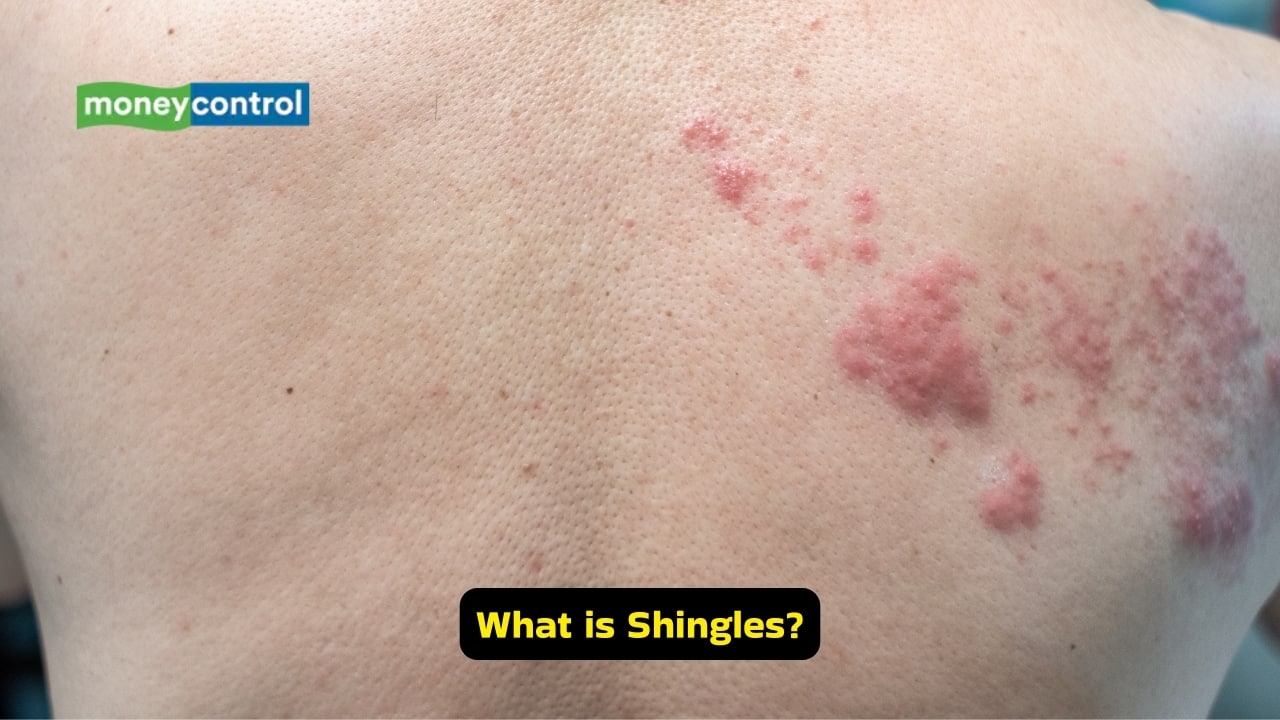
The disease is characterized by a painful rash that typically develops on one side of the body, often on the chest, abdomen, or face, and can lead to severe, long-lasting complications. The most common complication is post-herpetic neuralgia (PHN), which involves persistent nerve pain that can last for months or even years after the rash has healed. Other serious complications include vision loss and hearing loss, particularly in older adults.
To combat the burden of shingles, GSK launched its recombinant, adjuvanted shingles vaccine, Shingrix, in India on April 24, 2023. Shingrix, the world's first non-live vaccine for shingles, is approved for adults aged 50 years and above, and also for individuals aged 18 and over who are at increased risk of herpes zoster. It has demonstrated over 90% efficacy and can provide protection for at least 10 years.
In addition to making the vaccine available, GSK has initiated multiple public awareness campaigns tailored for the Indian audience. In February 2024, GSK launched 'Project 90', a public awareness drive in collaboration with celebrities like Soha Ali Khan, Milind Soman, Neelam Soni, and Rohan Bopanna. The campaign's name, 'Project 90', signifies that over 90% of Indians above 50 years of age may harbor the varicella-zoster virus and are therefore at risk of shingles. This campaign utilized a unique social media strategy, including simulated takeovers of celebrity Instagram profiles, to mimic the unexpected reactivation of the virus and create public buzz.
Further reinforcing its commitment, GSK also introduced the 'Yeh Science Hai' campaign in August 2024, featuring veteran actors Amitabh Bachchan and Manoj Pahwa. This campaign focuses on explaining the scientific link between chickenpox and shingles and highlights the increased susceptibility of people with diabetes to shingles, as high blood sugar levels can compromise the immune system.
The recent global survey, which included 752 Indian participants aged 50-70 living with chronic conditions, underscores the urgency of these campaigns. The survey revealed that 43% of Indian participants who had experienced shingles reported severe, day-disrupting pain, and over one in three stated that it prevented them from working or attending social events. Patients with chronic kidney disease and cardiovascular disease reported the greatest disruption, while those with diabetes and cardiovascular disease experienced the highest emotional toll.
Crucially, the survey exposed significant knowledge gaps: nearly one in four participants with chronic health conditions knew little to nothing about shingles, and almost one in three could not explain how their chronic condition increased their risk. Despite 75% of these individuals regularly visiting doctors, nearly half (48%) reported never discussing shingles with a healthcare professional. This highlights a critical need for adult vaccinations, including shingles, to become a routine part of health discussions, especially for India's growing older population and those managing chronic illnesses.
Experts like Dr. Shalini Menon, Executive Vice President – Medical Affairs, GSK India, emphasize that India's aging population, coupled with a high prevalence of non-communicable diseases, places additional strain on immune systems, increasing vulnerability to infections like shingles. The economic burden associated with shingles, including healthcare costs and productivity losses, further stresses the importance of preventive measures. The shift from reactive care to preventive healthcare, including adult vaccination, is becoming a national priority for India.
The related article about Brendan Fevola and his father in Australia also underscores the severe, excruciating pain and life disruption caused by shingles, reinforcing the global relevance of GSK's prevention message. Their personal stories serve as a powerful reminder for at-risk adults to seek medical advice and consider vaccination.
In summary, GSK's multi-pronged approach involving vaccine availability, celebrity-led awareness campaigns, and insightful surveys is driving a crucial dialogue around shingles prevention in India, aiming to protect the vulnerable adult population from this debilitating disease.
Frequently Asked Questions
What is shingles and who is at risk in India?
Shingles is a painful rash caused by the reactivation of the chickenpox virus (varicella-zoster virus). In India, over 90% of adults by age 40 carry this virus and are at risk. The risk increases significantly for individuals aged 50 and above, and those with weakened immune systems due to chronic conditions like diabetes, heart disease, or kidney disease.
Is there a vaccine available for shingles in India?
Yes, GSK launched its Shingrix vaccine in India in April 2023. It is a non-live, recombinant subunit vaccine recommended for adults aged 50 years and above, and for those aged 18 and over with increased risk of shingles.
What are GSK's efforts to raise shingles awareness in India?
GSK has launched several awareness campaigns in India, including 'Project 90' (Feb 2024) and 'Yeh Science Hai' (Aug 2024). These campaigns utilize celebrities to educate the public, especially those over 50 and with chronic conditions, about the prevalence, risks, and preventive measures for shingles.
Why is it important for adults, especially those with chronic conditions, to discuss shingles prevention with their doctors?
A recent GSK-commissioned survey (Feb 2026) in India revealed that nearly half of older adults with chronic conditions have never discussed shingles with their doctors, despite facing higher risks and severe impacts from the disease. Discussing prevention, including vaccination, with a doctor is crucial to address these knowledge gaps and enable proactive protection.
What are the potential complications of shingles?
Beyond the painful rash, shingles can lead to severe and long-lasting complications such as post-herpetic neuralgia (persistent nerve pain), vision loss, and hearing loss. These complications can significantly disrupt daily life and lead to considerable discomfort.