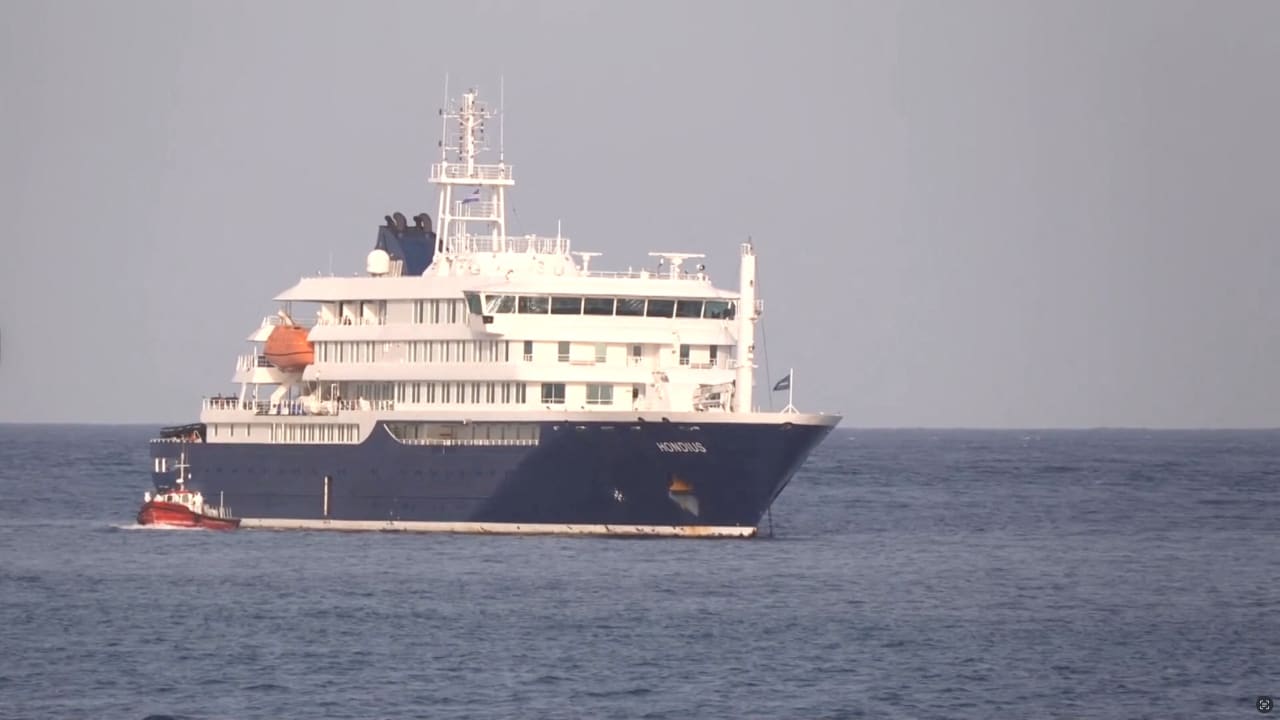
Hantavirus Cruise Ship Evacuated in Spain's Canary Islands
Passengers began disembarking from the hantavirus-stricken MV Hondius cruise ship in Spain's Canary Islands on May 10, 2026. The ship, which had departed from Argentina, docked after an outbreak that resulted in three deaths. Evacuation plans involved swift transfers to aircraft to minimize contact with the local population.
Key Highlights
- Hantavirus outbreak confirmed on MV Hondius cruise ship.
- Passengers began disembarking in Spain's Canary Islands on May 10, 2026.
- Three deaths linked to the hantavirus outbreak.
- Andes virus strain confirmed, with rare human-to-human transmission potential.
- International effort to evacuate passengers and crew.
On May 10, 2026, passengers began to disembark from the Dutch-flagged cruise ship MV Hondius in Spain's Canary Islands, following an outbreak of hantavirus. The ship had arrived at the port of Granadilla on Tenerife after departing from Cape Verde and was met with a carefully coordinated evacuation plan. The outbreak had already claimed three lives: a Dutch couple and a German woman, with at least nine confirmed or suspected cases linked to the vessel..
The MV Hondius, carrying nearly 150 people from over 15 countries, including 17 Americans, had set sail from Cape Verde earlier that week. Spain agreed to allow the ship to dock, facilitating an organized disembarkation process to prevent further spread and minimize contact with the local population.. The evacuation strategy involved small launch boats carrying a maximum of ten people, with Spanish passengers being the first to leave..
Passengers were immediately transferred to charter flights destined for their home countries. This included flights to the Netherlands (carrying Germans, Belgians, Greeks, and some crew), Canada, Turkey, France, Great Britain, Ireland, and the U.S. Australia was set to send its own plane on May 11 for passengers from New Zealand and the Asian region.. To expedite the process and reduce potential exposure, there were no health screenings conducted on land; passengers were moved directly from buses to planes and out of Tenerife..
The hantavirus strain identified in this outbreak is the Andes virus, which is notable for its rare, but possible, human-to-human transmission capability under specific close-contact conditions.. This characteristic, combined with the confined environment of a cruise ship, fueled international concern. Symptoms of hantavirus typically appear one to eight weeks after exposure and can include flu-like illness, progressing to severe respiratory issues..
The World Health Organization (WHO), led by Director-General Dr. Tedros Adhanom Ghebreyesus, played a significant role in coordinating the international response. Dr. Ghebreyesus was present in Tenerife to oversee the operation.. Several countries, including the U.S., the U.K., and the Netherlands, sent aircraft to repatriate their citizens. The U.S. passengers were to be quarantined at a medical center in Nebraska..
The origin of the outbreak is thought to be linked to passengers who had traveled in South America, specifically Argentina, Chile, and Uruguay, before boarding the ship, areas where the rodent species carrying the Andes virus is present.. Investigations by Argentinian health authorities aimed to trace the exact source of contamination within the country..
After disembarkation, a skeleton crew was to remain on board the MV Hondius to take on supplies before continuing the journey to Rotterdam, Netherlands, where the ship would undergo disinfection.. Health authorities emphasized that the risk to the general public remained low, as hantavirus is primarily spread through rodents and not easily transmitted between people, with the exception of the Andes virus in rare circumstances..
This incident highlights the complexities of managing infectious disease outbreaks in the travel and maritime sectors, requiring swift international cooperation and robust public health protocols. The timely disembarkation and repatriation of passengers underscore the efforts made by multiple nations and international organizations to address the crisis effectively and safely..
Frequently Asked Questions
What is hantavirus and how is it transmitted?
Hantaviruses are a group of viruses that are typically spread to humans through contact with infected rodents (such as mice and rats) via their urine, droppings, or saliva. Most strains are transmitted by inhaling contaminated particles. The Andes virus strain, involved in the cruise ship outbreak, is unique in that it can, rarely, spread between people through close contact.
What happened on the MV Hondius cruise ship?
An outbreak of hantavirus, specifically the Andes virus strain, occurred on the MV Hondius expedition cruise ship. This led to several infections and three deaths among passengers and crew. The ship docked in Spain's Canary Islands on May 10, 2026, for a coordinated evacuation of passengers to their home countries.
Where did the hantavirus outbreak originate?
The outbreak is believed to have originated from passengers who had previously traveled in South America, particularly Argentina, Chile, and Uruguay, before boarding the ship. These regions are known to harbor rodents carrying the Andes virus.
What is the risk to the general public from this outbreak?
Health authorities, including the WHO, have stated that the risk to the general public is low. Hantavirus is not easily transmitted between people, and human-to-human spread of the Andes virus is rare and requires close contact. The swift evacuation and quarantine measures further minimize public risk.