Moringa: Bridging India's Nutrition Gap for Women's Health
Indian women face a significant 'nutrition gap' marked by widespread deficiencies in essential micronutrients. Moringa, a traditional Indian superfood, offers a potent and accessible solution due to its rich content of iron, calcium, vitamins, and protein, addressing key health concerns across various life stages.
Key Highlights
- Over 50% of Indian women suffer from anaemia, a critical public health issue.
- Widespread deficiencies in calcium, Vitamin A, protein, and other micronutrients prevail.
- Moringa is a rich source of iron, calcium, Vitamin A, and complete protein.
- It supports bone health, combats anaemia, and enhances breast milk production.
- Considered safe in food doses; consult doctors during pregnancy, especially for powders.
- A traditional Indian superfood, moringa is a natural and affordable dietary supplement.
The article highlights a critical and often overlooked health challenge in India: a significant 'nutrition gap' affecting women across various life stages. This gap stems from widespread micronutrient deficiencies, even among those who consume seemingly adequate meals. Real-time information corroborates that nutrient deficiencies among Indian women are indeed worryingly high.
One of the most pressing concerns is the high prevalence of anaemia, with over 50 per cent of Indian women suffering from this condition, as reported by the National Family Health Survey (NFHS-5). Specifically, NFHS-5 data indicates that 57% of women aged 15-49 years are anemic, with 52.2% of pregnant women, 57.2% of non-pregnant women, and 61% of breastfeeding women affected. This alarming statistic points to a deeper issue of insufficient iron intake and absorption. Beyond iron, many Indian women also fall short of daily requirements for essential nutrients like calcium, vitamin A, and protein. Studies reveal that almost 70% of people globally do not consume enough iodine, vitamin E, and calcium, with inadequate calcium intake being particularly common among individuals aged 10-30 in South and Southeast Asia. Additionally, a significant portion of the Indian population, including 75% of women, is deficient in Vitamin D, and Vitamin B12 deficiency is also a concern, especially among vegetarians.
These deficiencies lead to a range of health issues, manifesting as constant tiredness, low energy, hair fall, weak immunity, and mood changes, often dismissed as stress or part of a busy life. Such symptoms are consistent with the physiological impacts of micronutrient shortages. The article correctly points out that a woman's nutritional needs evolve significantly throughout her life, with distinct demands during adolescence, pregnancy, lactation, and menopause. For instance, teenage girls require adequate iron and calcium for growth and hormonal balance, a need often unmet, leading to high rates of anaemia and calcium deficiency in this age group. During pregnancy and breastfeeding, the body's demand for iron, folate, and protein increases substantially to support both mother and child. Later in life, menopause necessitates increased intake of calcium, antioxidants, and bone-strengthening nutrients to mitigate hormonal changes and prevent conditions like osteoporosis.
In response to this widespread 'nutrition gap,' nutrition experts are increasingly looking towards moringa (Moringa oleifera), a traditional Indian superfood that has been a part of the local culinary and medicinal culture for centuries. Known as the 'miracle tree,' moringa is native to parts of India, Pakistan, and Nepal, with nearly every part of the plant being edible and highly nutritious.
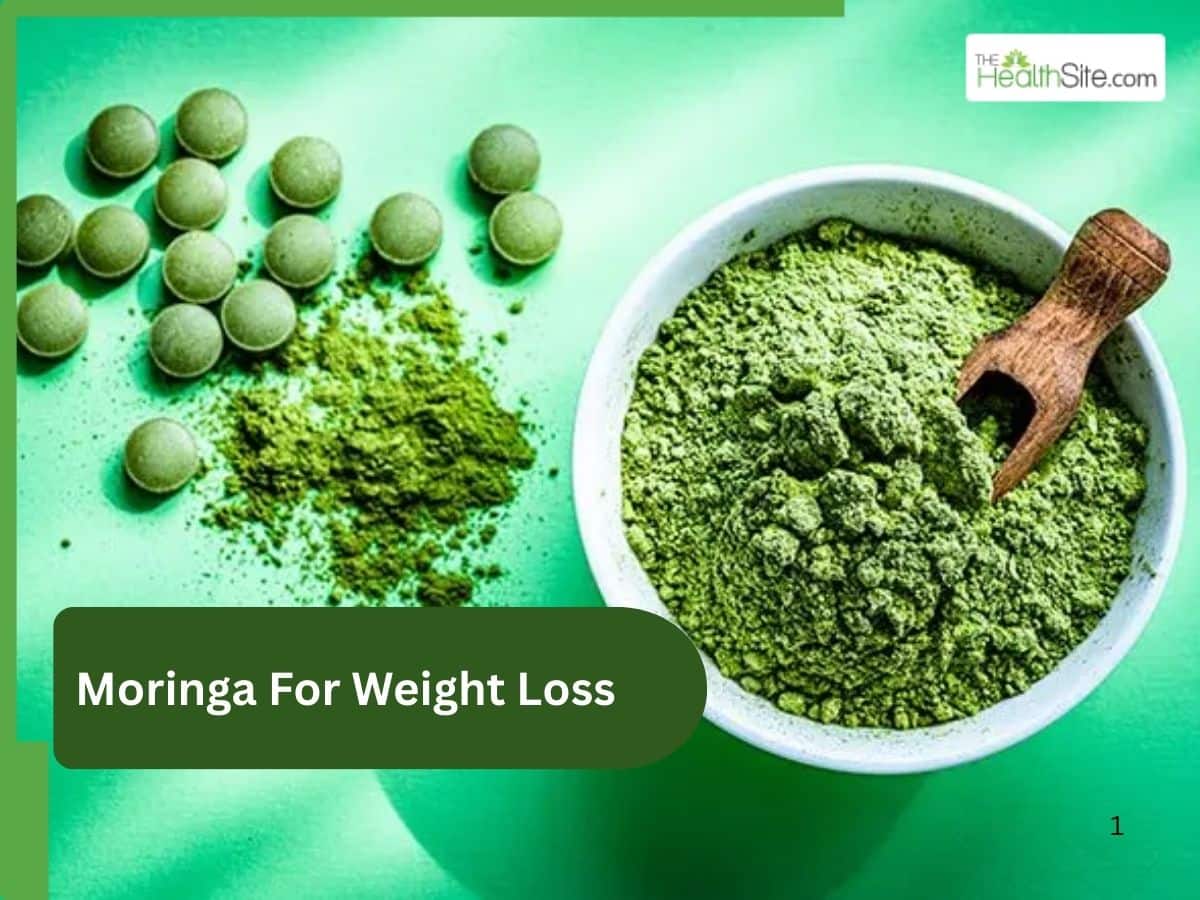
Moringa leaves are particularly lauded for their exceptional nutritional profile. They are an outstanding source of iron, crucial for red blood cell production and combating anaemia. One teaspoon of moringa powder can significantly boost iron levels, providing more iron than spinach or kale. Some products claim that one tablespoon of moringa powder can provide as much as 257% of the daily value for iron. Moringa is also remarkably rich in calcium, with dried moringa leaves containing approximately seven times more calcium than milk, gram for gram. This makes it an invaluable plant-based source for supporting strong bones and preventing conditions like osteoporosis, especially relevant for postmenopausal women.
Furthermore, moringa is packed with Vitamin A (beta-carotene), essential for healthy vision and immune function, often providing significantly more Vitamin A than carrots. It is also a complete plant-based protein, containing all nine essential amino acids that the body cannot produce on its own. Fresh moringa leaves contain around 9 grams of protein per 100 grams, while dried leaf powder can boast 25-30% protein content by weight, making it an excellent option for increasing protein intake, particularly for vegetarians and vegans. Additionally, moringa provides a wealth of other vital nutrients, including Vitamin C (which enhances iron absorption), B vitamins (B1, B2, B3, B6, B7), Vitamin E, Vitamin K, magnesium, potassium, manganese, phosphorus, zinc, and a rich array of antioxidants.
Beyond its general nutritional benefits, moringa has specific advantages for women's health. It has been scientifically proven to act as a natural galactagogue, meaning it can promote or increase breast milk supply in breastfeeding mothers. Studies have shown that moringa supplementation can significantly increase breast milk volume and prolactin levels in postpartum mothers, with reported increases of up to 400 mL/day. This makes it a valuable aid for mothers, especially those with preterm infants or experiencing low milk supply.
Regarding safety and dosage, moringa leaves, fruit, and seeds are generally considered likely safe when consumed as food. However, it is crucial to avoid the root, bark, or flowers of moringa, especially during pregnancy, as these parts contain toxic substances that might cause uterine contractions and increase the risk of miscarriage. While moringa leaves in powder or capsule form are considered possibly safe during the second or third trimester of pregnancy, medical expert consultation is highly recommended due to conflicting information and potential risks, particularly in the first trimester. For breastfeeding, moringa leaf is considered possibly safe for up to four months, and moderate intake may help increase milk supply. Recommended dosages for moringa powder generally vary from 3 to 5 grams per day, or 1 to 2 teaspoons. It is advisable to start with a lower dose (e.g., 500 mg) and gradually increase, not exceeding 2000 mg/kg, as higher doses may lead to adverse effects on the liver and kidneys.
In conclusion, the article's advocacy for moringa as a natural and affordable solution to India's nutrition gap for women is well-supported by scientific evidence and its traditional use. By incorporating moringa into daily meals, Indian women can enhance their intake of crucial vitamins, minerals, and protein, addressing prevalent deficiencies and promoting overall health and well-being.
Frequently Asked Questions
What are the primary nutritional deficiencies faced by Indian women?
Indian women commonly suffer from deficiencies in essential micronutrients, particularly iron (leading to high rates of anaemia), calcium, Vitamin A, Vitamin D, and Vitamin B12.
How does moringa address these nutritional gaps?
Moringa is a nutrient-dense superfood rich in iron, calcium, Vitamin A, protein, and various other vitamins and minerals. It can significantly boost the intake of these essential nutrients, helping to combat anaemia, support bone health, and enhance overall well-being.
Is moringa safe for pregnant and breastfeeding women?
While moringa leaves are considered possibly safe for breastfeeding mothers to increase milk supply, caution is advised during pregnancy. The roots, bark, and flowers should be strictly avoided due to potential uterine contractions. Moringa leaf powder or capsules during pregnancy should only be used after consulting a healthcare professional, especially in the first trimester.
What is the recommended way to consume moringa?
Moringa can be consumed in various forms, including fresh leaves, dried leaf powder, capsules, or tea. For powder, a common starting point is 1-2 teaspoons (3-5 grams) daily, gradually increasing as tolerated. It can be mixed into smoothies, curries, dals, or sprinkled over dishes.
What makes moringa a 'superfood' for women in India?
Moringa's 'superfood' status for Indian women stems from its exceptional nutritional profile, including high levels of iron, calcium, and protein, which directly address prevalent deficiencies. Its traditional use, accessibility, and proven benefits for reproductive health (e.g., lactation) make it a natural and effective dietary supplement to improve women's health outcomes in the country.