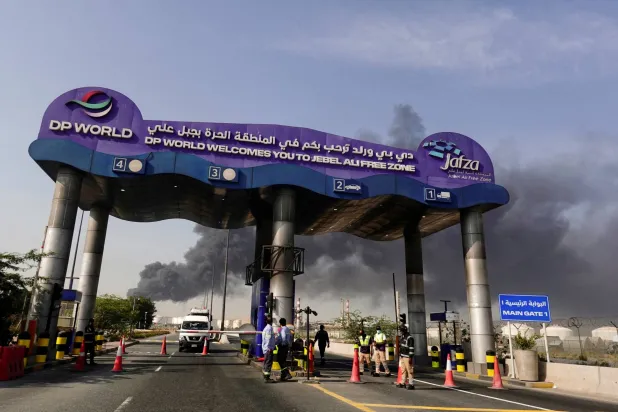
UAE intercepts missiles near Abu Dhabi airport amid Iran-US conflict
Explosions were heard near Zayed International Airport in Abu Dhabi on March 5, 2026, following the UAE's interception of multiple ballistic missiles and drones launched from Iran. The UAE Ministry of Defence reported successfully destroying most threats, though one missile landed within the country. The incident caused widespread disruption, including flight suspensions and advisories for citizens.
Key Highlights
- UAE air defense systems intercepted multiple ballistic missiles and drones.
- Explosions were heard near Zayed International Airport in Abu Dhabi.
- Several flights were suspended or diverted due to the aerial assault.
- UAE Ministry of Defence confirmed successful interception of most threats.
- One missile landed within UAE territory.
- Advisories were issued for citizens to remain vigilant.
On March 5, 2026, the United Arab Emirates (UAE) reported that its air defense systems intercepted a significant aerial assault, including multiple ballistic missiles and drones originating from Iran. Explosions were heard near Zayed International Airport in Abu Dhabi, prompting the UAE Ministry of Defence to confirm the successful interception and destruction of most incoming projectiles. According to the Ministry, six ballistic missiles were intercepted and destroyed, while one landed within UAE territory. Additionally, 125 drones were detected and 119 were successfully intercepted, with six falling within the country's borders [4, 5, 10, 12, 45].
The aerial attack caused considerable disruption across the UAE. Zayed International Airport experienced operational interruptions, with passengers advised not to travel to the airport unless they had confirmed bookings and received direct notification from their airline [4, 10]. Etihad Airways extended the suspension of its scheduled commercial flights to and from Abu Dhabi until March 6, 2026 [4, 10]. Several other airlines also announced flight suspensions or disruptions, impacting regional and international travel [5, 12, 26, 32, 42, 45].
Eyewitness accounts and reports corroborated the sound of explosions and the visible streaks of interceptor missiles in the sky. Social media platforms were abuzz with user-generated content depicting the events. The UAE Ministry of Interior issued an emergency alert, advising residents to seek immediate shelter in secure buildings and avoid windows, doors, and open spaces due to potential missile threats [5].
This incident is part of a broader escalation of tensions in the Middle East, stemming from joint US-Israeli strikes on Iran and subsequent retaliatory actions by Iran. The conflict has led to widespread regional instability, including attacks and interceptions in neighboring countries like Kuwait and Qatar, and has prompted various governments to issue travel advisories and initiate evacuation plans for their citizens [1, 6, 7, 11, 12, 13, 17, 19, 22, 26, 34, 42].
Several sources indicate that the UAE had previously been targeted with missiles and drones, notably in January 2022 by Houthi rebels [18, 30, 44]. However, the scale and nature of the attacks on March 5, 2026, are linked to the direct Iran-US-Israel conflict. The UAE has invested in advanced air defense systems, including Patriot missiles and terminal high-altitude area defense (THAAD), to counter such threats [18].
For Indian citizens in the UAE, the Indian Embassy in Abu Dhabi and the Consulate General in Dubai issued advisories, urging them to remain vigilant, calm, and adhere to local authorities' safety guidelines. They were also advised to reach out to airlines for evacuation options, and fines for expired visas were waived off for those affected by the disruptions [12].
The attacks have had significant economic implications, including disruptions to global supply chains and a surge in oil prices due to concerns over the Strait of Hormuz [33, 39]. Iconic landmarks and infrastructure in Dubai and Abu Dhabi, previously considered safe havens, have been directly impacted or threatened, shattering the perception of invincibility [8, 15, 25, 32, 39]. The events underscore the volatile security landscape in the region and the potential for wider conflict.
Frequently Asked Questions
What happened near Zayed International Airport in Abu Dhabi?
On March 5, 2026, UAE air defense systems intercepted multiple ballistic missiles and drones launched from Iran. Explosions were heard near Zayed International Airport as the missiles and drones were intercepted, causing some disruption.
Were there any casualties or damage reported?
The UAE Ministry of Defence reported successfully intercepting most of the threats. While one missile landed within UAE territory, and there were reports of falling debris causing minor injuries in some areas, no major damage to the airport itself was widely reported. The focus was on the interception activities.
How did this affect air travel?
The incident caused significant disruptions to air travel. Zayed International Airport advised passengers to confirm their travel details with airlines, and several airlines, including Etihad Airways, suspended or limited their flights to and from Abu Dhabi and Dubai.
What was the context of these attacks?
These attacks were part of an escalating conflict in the Middle East, following joint US-Israeli strikes on Iran and subsequent Iranian retaliation. The UAE, as a key player in the region and an ally of the US, was a target of these retaliatory actions.