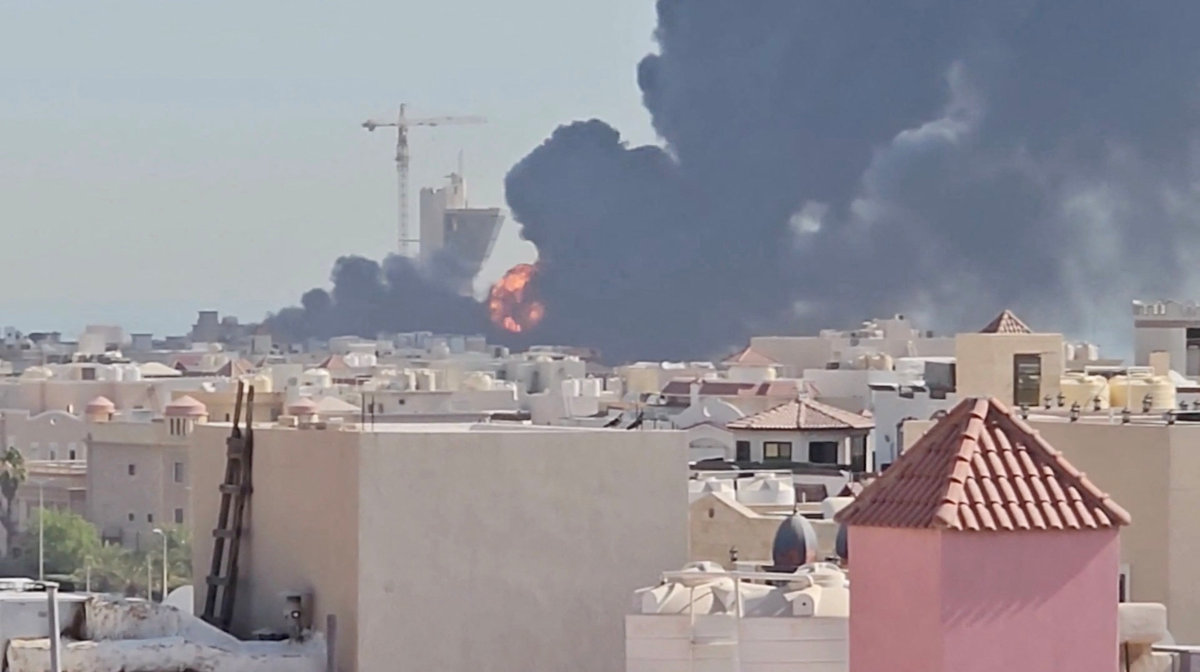
Strait of Hormuz Closure Sparks Global Shipping Crisis
The Strait of Hormuz, a vital global oil and gas chokepoint, has been effectively closed for months due to escalating conflict between Iran and the US/Israel. This has led to severe disruptions in shipping, stranded vessels, increased costs, and significant challenges for global supply chains, particularly impacting India's energy security.
Key Highlights
- Strait of Hormuz closure creates significant shipping challenges.
- India's energy security is severely impacted by the disruption.
- Months of closure have led to stranded vessels and crew welfare issues.
- Geopolitical tensions have resulted in price hikes and supply chain vulnerabilities.
The Strait of Hormuz, a critical maritime chokepoint through which approximately 20% of the world's oil supply and a significant portion of liquefied natural gas (LNG) transits daily, has been effectively closed to commercial shipping for months due to an escalating conflict between Iran and the United States/Israel. This closure, which began around February 28, 2026, following joint US-Israeli strikes on Iran, has plunged global maritime trade into crisis. The Iranian Revolutionary Guard Corps (IRGC) has repeatedly warned against passage and has engaged in actions such as boarding ships and laying mines, while the US has implemented naval blockades on Iranian ports at various times. The situation has resulted in numerous vessels being stranded, with thousands of mariners trapped, creating severe challenges for crew welfare and operational continuity. Reports indicate that by April 21, 2026, approximately 20,000 mariners and 2,000 ships were stranded. The operational consequences for shipping are multifaceted. Ships that have been idle for extended periods face technical and human challenges upon attempting to resume operations. Surveyors and regulatory bodies have had difficulty accessing vessels, leading to potential bottlenecks in maintaining compliance and certifications. Insurance premiums, particularly war-risk premiums, have surged, making passage commercially unviable for many carriers. In some instances, war-risk coverage has been withdrawn entirely, fracturing the market and halting operations. This has led major shipping lines to suspend transits and divert vessels, causing significant delays and congestion at alternative ports. The closure has also had a profound impact on global energy markets, with oil prices experiencing sharp increases. Brent crude oil prices surpassed $100 per barrel in early March 2026 and continued to fluctuate significantly, reaching over $86 per barrel by mid-July 2026. The disruption to supply chains extends beyond energy commodities, affecting other essential goods like fertilizers, methanol, aluminum, and iron ore, with implications for manufacturing and the green energy transition. India, in particular, faces significant vulnerabilities due to its heavy reliance on the Strait of Hormuz for energy imports. Approximately 45-50% of India's crude oil imports and 90% of its Liquefied Petroleum Gas (LPG) imports transit through this waterway. The closure has forced India to seek alternative energy sources, including a substantial increase in imports from Russia and engagement with other nations for LNG. Despite efforts by India to secure alternative supplies through diplomatic outreach, the overall impact on energy security and the economy remains a significant concern. The situation is characterized by extreme volatility and unpredictability, with alternating reports of partial reopenings and renewed closures. Efforts by the International Maritime Organization (IMO) to evacuate stranded seafarers have faced setbacks due to continued attacks. The geopolitical ramifications are immense, with Iran leveraging the closure to exert pressure and establish a new status quo in the region. The conflict also raises concerns about freedom of navigation in other critical waterways globally, setting a dangerous precedent. The ongoing crisis highlights the fragility of global supply chains and the interconnectedness of geopolitical stability with economic well-being. The absence of consistent, secure transit through the Strait of Hormuz continues to pose a severe threat to global energy and commodity markets, exacerbating geopolitical tensions and underscoring the failure to establish stable transit conditions.
Frequently Asked Questions
What is the Strait of Hormuz and why is it important?
The Strait of Hormuz is a narrow waterway connecting the Persian Gulf to the Gulf of Oman and the open ocean. It is a critical chokepoint for global energy trade, with approximately 20% of the world's seaborne oil trade and a significant portion of liquefied natural gas (LNG) transiting through it daily.
Why has the Strait of Hormuz been closed?
The Strait of Hormuz has been effectively closed due to an escalating conflict between Iran and the United States/Israel, which began around February 28, 2026. Iran has used the closure as a retaliatory measure and a means to exert pressure.
What are the main consequences of the Strait of Hormuz closure?
The closure has led to severe disruptions in global shipping, stranded vessels and mariners, increased oil prices, and significant vulnerabilities in global supply chains. It has also severely impacted India's energy security.
How has the closure affected India?
India, which relies heavily on the Strait for its crude oil and LNG imports (approximately 45-50% of crude oil and 90% of LPG), has been forced to diversify its energy sources and has faced increased energy costs and supply chain challenges.
Are ships still able to transit the Strait of Hormuz?
While there have been periods of attempted or selective passage, the Strait has been largely blocked for commercial shipping. Transit conditions are extremely volatile and risky, with ongoing military actions and threats making passage commercially unviable for most carriers.