Trump's New Iran Deal Deepens Netanyahu's Political Crisis
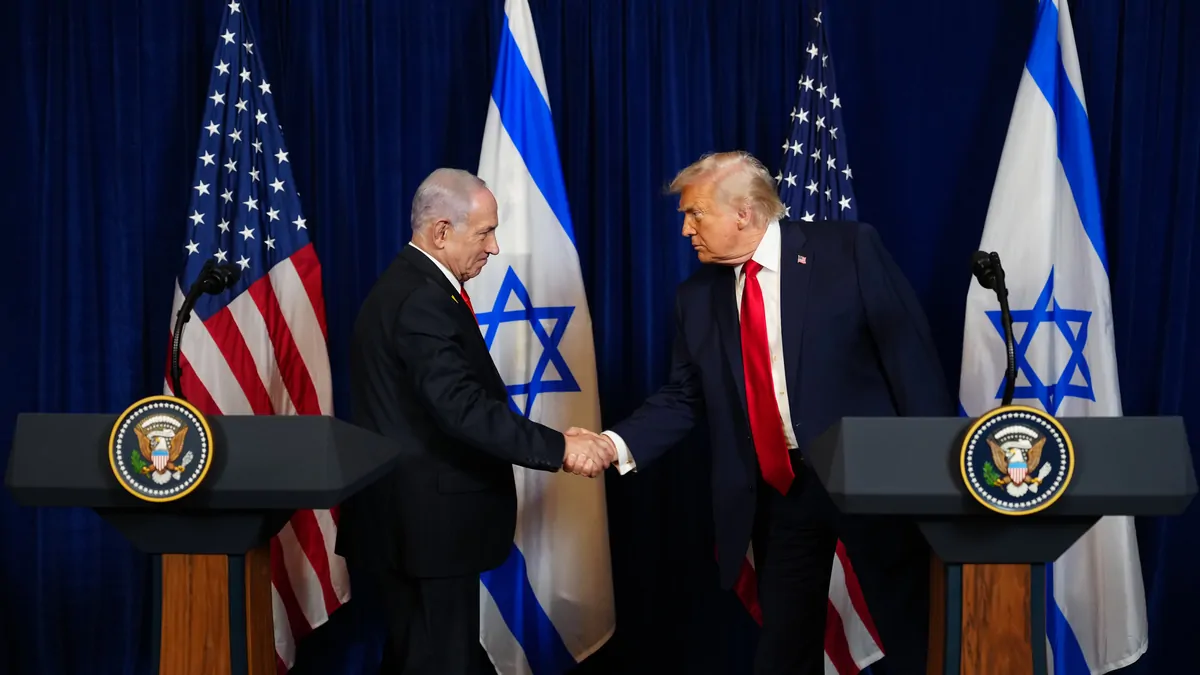
Key Highlights
- Trump's 2026 Iran deal sparks major US-Israel strategic rift.
- Netanyahu fiercely opposes 'Islamabad Memorandum of Understanding'.
- Deal weakens Netanyahu's domestic political standing before elections.
- Israel expresses security concerns over Iran's nuclear program and proxies.
- International community largely welcomes US-Iran ceasefire agreement.
- Netanyahu's influence on US Middle East policy questioned.
Frequently Asked Questions
What is the 'Trump's Iran Deal' mentioned in the article?
The 'Trump's Iran Deal' referenced in the June 2026 NDTV article is the 'Islamabad Memorandum of Understanding' (MoU), a preliminary agreement signed on June 17, 2026, between the United States and Iran. It aims to end the 2026 Iran war, establish a 60-day ceasefire, reopen the Strait of Hormuz, and initiate negotiations for a final peace settlement on issues including Iran's nuclear program.
Why is Benjamin Netanyahu against this new Iran deal?
Benjamin Netanyahu opposes the Islamabad MoU because he believes it is a 'strategic defeat' for Israel. He argues that it provides economic relief to Iran without adequately addressing Israel's core security concerns, such as Iran's ballistic missile capabilities, its support for regional militant groups like Hezbollah, and the complete dismantlement of its nuclear program.
How does this deal affect Netanyahu's political standing in Israel?
The deal significantly weakens Netanyahu politically, especially ahead of the October 2026 elections. It undermines his long-standing image as the primary defender of Israel against Iran and has created a public rift with U.S. President Trump. His domestic opponents are using this deal as evidence of his diplomatic failure, further complicating his efforts to maintain power and potentially facing pressure from his own coalition.
What are the immediate impacts of the Islamabad Memorandum of Understanding?
The MoU immediately established a 60-day ceasefire in the US-Iran war, facilitated the reopening of the Strait of Hormuz for commercial shipping, and committed the U.S. to lift its naval blockade on Iran. It also set a timeline for withdrawing U.S. forces and beginning comprehensive negotiations for a final peace agreement.
How has the international community reacted to the US-Iran deal?
The international community, including major powers like France, the UK, Germany, and the UN, along with regional mediators like Pakistan and Qatar, has largely welcomed the Islamabad Memorandum of Understanding as a positive diplomatic breakthrough. India also expressed its support, recognizing its potential to stabilize the Middle East and positively impact global energy markets.