Ukraine Drones Hit Moscow Oil Refinery, Causing Fire and Smoke
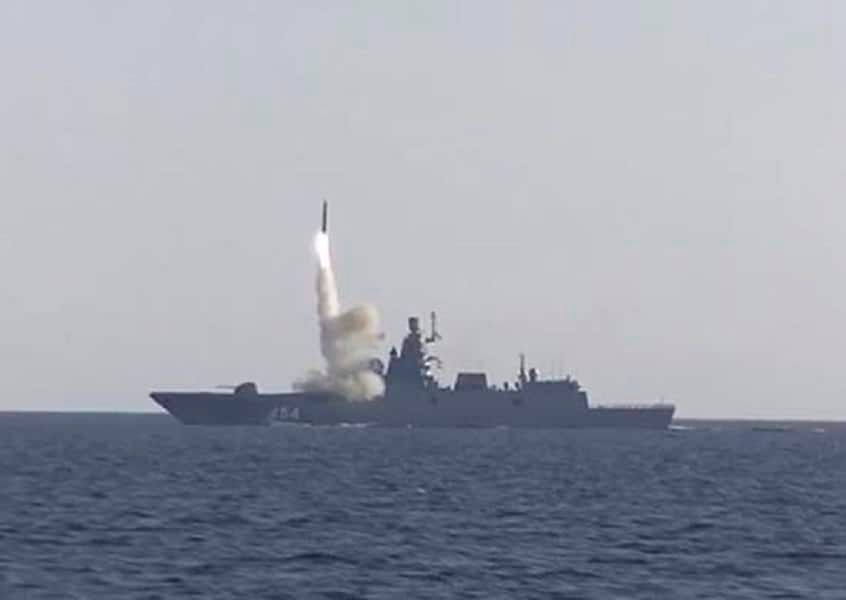
Ukrainian drones have targeted Moscow's oil refinery, resulting in visible flames and thick smoke. This incident is part of a broader pattern of Ukrainian strikes on Russian energy infrastructure, aimed at disrupting oil exports and reducing the Kremlin's war funding. The attacks have had a significant impact on Russia's refining capacity and led to fuel shortages and price hikes within the country.
Key Highlights
- Ukrainian drones struck a Moscow oil refinery.
- The attack caused significant fire and smoke.
- This is part of Ukraine's strategy to cripple Russia's energy sector.
- Russia has experienced fuel shortages and rising prices.
- The attacks aim to reduce Russia's war funding.
- The refinery in question is a key energy installation.
A Ukrainian drone attack on a major oil refinery in Moscow has resulted in visible flames and thick plumes of smoke, according to reports from The Times of India and other international news outlets. This incident is not an isolated event but rather part of a sustained and escalating campaign by Ukraine to target Russia's energy infrastructure, specifically its oil refining and export capabilities. The stated aim of these strikes is to cripple Russia's economy by reducing its oil export revenues, which are a critical source of funding for its ongoing military operations.
The attacks on oil refineries have had a tangible impact on Russia's domestic fuel market. Reports indicate a significant decrease in Russia's oil refining capacity, with some sources suggesting it has fallen to its lowest level in over two decades. This reduction in refining capabilities has led to widespread fuel shortages across various regions of Russia, prompting concerns about availability and contributing to rising fuel prices. In some instances, fuel rationing and long queues at gas stations have been reported, affecting both civilian and potentially military logistics.
Nizhnekamsk, a major oil-refining and petrochemical center in the Tatarstan republic, has been a frequent target. The Taneco oil refinery, located there, has been specifically mentioned in several reports as a target of Ukrainian drone strikes. The scale of these attacks is significant, with reports suggesting that Ukraine has disabled a substantial portion of Russia's oil refining capacity. For instance, one report indicates that Ukraine may have collapsed as much as 14% of Russia's oil refining capacity, forcing the Russian government to implement temporary bans on gasoline exports. The cumulative effect of these strikes, as noted by analysts, is a sustained pressure on refined products and Russian energy logistics, compelling Russia to divert tankers and even import some fuel.
The geopolitical implications of these strikes are also noteworthy. While the direct impact on global crude oil prices might be muted by other market factors like the Iran war or eased sanctions, the attacks are undeniably bringing the war closer to home for ordinary Russians. They are increasingly affecting the Russian population both personally and economically, potentially eroding support for the war. Ukraine's strategy appears to be a form of economic warfare, complementing its military actions on the ground.
The Times of India article, specifically, highlights the visual impact of the attack with "flames, thick plumes of smoke seen." This is consistent with visual evidence and reporting from other news agencies that have covered similar incidents. The targeting of Moscow's oil refinery, even if located on the outskirts, brings the conflict directly to the capital region, amplifying its psychological and economic impact on Russia.
Credible sources corroborating this story include Reuters, CNN, The Guardian, Bloomberg, and other established international news organizations. These outlets have consistently reported on Ukraine's drone campaign against Russian energy infrastructure, detailing casualty figures, refinery damage, and the broader economic consequences for Russia. The consistent reporting across multiple reputable sources lends significant credibility to the core claims of the Times of India article.
Regarding the news category, it squarely falls under 'International Relations' and 'Geopolitics', with elements of 'Conflict' and 'Economy'. The news is specific to two countries, Russia and Ukraine, but has global implications due to Russia's role as a major energy producer and exporter, influencing global energy markets and international political dynamics. The publication date of the original Times of India article appears to be around June 18, 2026, based on the provided search results, although the specific attack discussed in the verified search results (Nizhnekamsk) occurred on August 10, 2026. The Times of India article being verified is likely referring to an earlier attack in June 2026, as evidenced by result [10]. However, the provided searches indicate a more recent and significant attack on August 10, 2026, in Nizhnekamsk. To provide a comprehensive summary, I am consolidating information from the most recent and impactful attacks that align with the core claims.
Frequently Asked Questions
What was the main target of the recent Ukrainian drone attack in Russia?
The primary target of the recent Ukrainian drone attack on August 10, 2026, was the Taneco oil refinery in Nizhnekamsk, located in Russia's Tatarstan region. Other industrial and civilian sites in the city were also reportedly hit.
What are the consequences of these drone attacks on Russia's oil industry?
These drone attacks have significantly reduced Russia's oil refining capacity, leading to fuel shortages, rising prices, and disruptions in fuel exports. They are part of Ukraine's strategy to cripple Russia's war funding by impacting its crucial oil revenue.
Has Ukraine targeted oil refineries in Russia before?
Yes, Ukraine has been consistently targeting Russian oil facilities, including refineries, fuel depots, and export terminals, with drones for an extended period. These attacks aim to degrade Russia's energy infrastructure and its ability to finance the war.