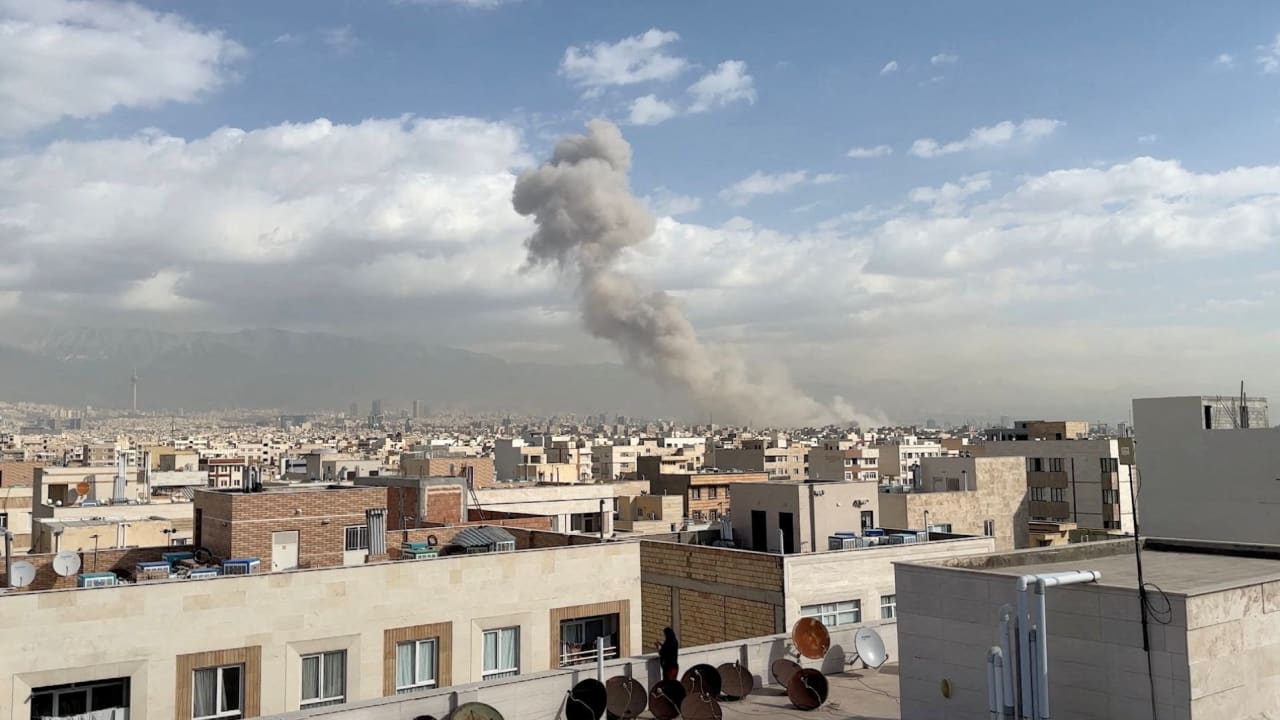
US considers using Iran's frozen assets for Gulf reconstruction
Amidst strained ceasefire efforts, the US is reportedly considering using Iran's frozen assets to help Gulf allies rebuild from damage caused by Iranian attacks. This move comes as Iran demands the release of $24 billion in frozen funds as a condition for peace, complicating ongoing negotiations.
Key Highlights
- US Treasury Secretary Scott Bessent is assessing damage costs in Gulf nations.
- Iranian assets may fund both past and future reconstruction efforts.
- Iran demands release of $24 billion in frozen assets for peace talks.
- Recent US-Iran military exchanges have strained the fragile ceasefire.
- The proposal could add tension to already fragile diplomatic efforts.
- India maintains a balancing act due to energy security and diaspora concerns.
The United States is reportedly considering a significant policy shift by redirecting Iran's frozen assets to aid its Gulf allies in rebuilding and repairing damage caused by recent Iranian attacks. This proposal, detailed by sources familiar with the matter to Reuters and other news outlets, emerged as the fragile ceasefire between the U.S. and Iran faces increasing strain due to renewed military exchanges.
U.S. Treasury Secretary Scott Bessent has directed a team to assess the costs of damage already inflicted on Gulf countries by Iran and is examining the feasibility of using Iranian assets to cover these expenses. The initiative is not limited to compensating for past damage; it also encompasses funding repairs for any future destruction linked to ongoing conflicts.
This development is occurring against a backdrop of escalating tensions and stalled peace negotiations between Washington and Tehran. An advisor to Iran's Supreme Leader, Mohsen Rezaei, has reiterated Iran's demand for the release of $24 billion in frozen Iranian assets as a critical condition for any broader peace agreement.
The prospect of the U.S. repurposing Iranian assets has been met with immediate reactions from Iran. Iranian news agencies have reported that such a move could create new friction in the already fragile ceasefire, with some officials viewing the U.S. approach as contradictory to its diplomatic overtures.
The proposed use of Iranian assets is part of a larger diplomatic and military standoff. The U.S. and Iran have recently engaged in military strikes, including U.S. forces targeting Iranian radar facilities and Iran launching missiles towards U.S. military installations in Kuwait and Bahrain. These exchanges have tested the endurance of the ceasefire that has been in place.
While the exact nature of the Iranian assets under consideration remains unspecified, reports suggest it could extend beyond currently frozen funds to include other forms of physical assets. The U.S. Treasury's exploration of "all available tools" indicates a comprehensive approach to leveraging these assets.
The situation carries significant implications for regional stability and international diplomacy. The U.S. aims to hold Iran financially accountable for its actions while alleviating the economic burden on its Gulf allies. However, the move threatens to complicate the delicate indirect negotiations between the two nations, which have already been described as deadlocked on several key issues, including sanctions relief and access to frozen funds.
For India, this evolving situation underscores its delicate balancing act. India relies heavily on Gulf states for energy security and has a large diaspora in the region. While India has called for an cessation of hostilities and a return to dialogue, it has also refrained from directly condemning U.S. actions, seeking to protect its national interests. The conflict's impact on energy security and the Strait of Hormuz remains a primary concern for New Delhi.
The news highlights the complex interplay of military action, financial leverage, and diplomatic maneuvering in the Middle East. The U.S. proposal to use Iranian assets, coupled with ongoing military exchanges, adds another layer of volatility to an already precarious regional security landscape.
Given the ongoing nature of the conflict and the diplomatic deadlock, the situation remains fluid. The efficacy and implications of the U.S. proposal will likely depend on further developments in U.S.-Iran relations and the broader regional dynamics.
Frequently Asked Questions
What is the main proposal being considered by the US regarding Iranian assets?
The US is considering redirecting Iran's frozen assets to help Gulf allies rebuild and repair damage caused by Iranian attacks. This includes assessing past damages and funding future reconstruction.
Why is Iran demanding the release of frozen assets?
Iran views the release of approximately $24 billion in frozen assets as a critical condition for any peace agreement with the United States. They consider these funds to be rightfully theirs and a necessary step to demonstrate US trust.
How does this proposal affect the current ceasefire between the US and Iran?
The proposal to use Iranian assets is seen as a potential irritant that could further strain the already fragile ceasefire between the US and Iran. It adds another layer of tension to ongoing diplomatic efforts and military exchanges.
What is India's likely stance on this development?
India is likely to maintain a balancing act, prioritizing its energy security and the safety of its large diaspora in the Gulf. While it calls for an end to hostilities, it has generally avoided direct criticism of US actions, focusing on regional stability and diplomatic engagement.