Davos 2026: Global CEOs Uncertain on AI Returns, Face Tariff Risks | Quick Digest
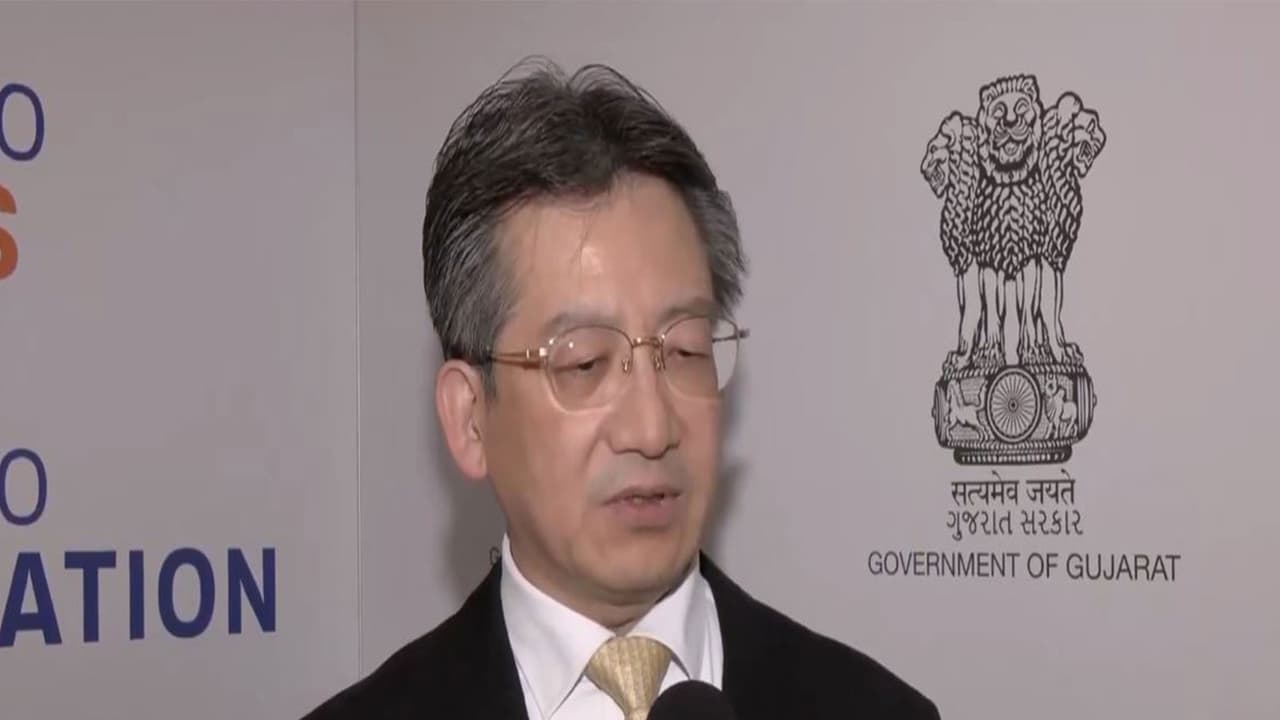
PwC Global Chairman Mohamed Kande highlights significant CEO uncertainty at Davos 2026, citing muted AI investment returns and potential US tariff threats. The latest PwC survey reveals CEO confidence in near-term revenue growth has hit a five-year low.
PwC Global Chairman Mohamed Kande confirmed to discuss CEO uncertainty at Davos 2026.
Latest PwC 29th Global CEO Survey shows confidence at a five-year low.
Many CEOs report no significant financial gains from AI investments.
Uncertainty around potential US tariffs by Donald Trump adds to CEO concerns.
Only 30% of CEOs are confident about 12-month revenue growth.
India shows relative resilience amid global business uncertainties.
At the World Economic Forum Annual Meeting in Davos, Switzerland (January 19-23, 2026), PwC Global Chairman Mohamed Kande has articulated a profound sense of uncertainty among global chief executives. Kande highlighted that many CEOs are currently grappling with how to navigate the complex business landscape, marked by evolving technological advancements and geopolitical shifts.
The core of these concerns is reflected in PwC's 29th Global CEO Survey, released in conjunction with the Davos meeting. The survey, which gathered insights from over 4,000 CEOs across 95 countries, reveals that confidence in near-term revenue growth has plummeted to a five-year low, with only about 30 percent of CEOs expressing high confidence for the next 12 months. This marks a notable decline from 38 percent in the 2025 survey and a peak of 56 percent in 2022.
A significant factor contributing to this apprehension is the performance of Artificial Intelligence (AI) investments. While companies continue to pour capital into AI, Kande noted that the adoption of AI has not yet delivered the expected benefits for many firms. The survey indicates a clear divide: while a select group of companies are successfully translating AI into measurable financial returns, a substantial 56% of CEOs have reported no significant financial gains from their AI endeavors to date. Only a mere 12% reported both cost and revenue benefits, underscoring a considerable gap between investment and tangible outcomes.
Compounding this technological challenge is the looming geopolitical uncertainty, particularly concerning potential tariff actions by former US President Donald Trump. Kande stated that this prospect is compelling companies to reassess their product strategies and innovate for tariff-efficient solutions. Amidst this global climate of doubt, PwC India Chairperson Sanjeev Krishan noted that India has demonstrated relative resilience. The findings emphasize the urgent need for business leaders to reinvent their strategies to maintain viability and competitiveness in an increasingly unpredictable world.
Read the full story on Quick Digest