Pakistan Reports 'Positive Progress' in US-Iran Doha Ceasefire Talks
Indirect talks between the United States and Iran in Doha, mediated by Pakistan and Qatar, have yielded "positive progress" on aspects of their ceasefire agreement amidst an ongoing "West Asia war." The discussions, currently paused for Iran's former Supreme Leader's funeral, focused on critical issues like the Strait of Hormuz, frozen assets, and the path to a lasting peace.
Key Highlights
- Pakistan and Qatar mediated indirect US-Iran talks in Doha.
- "Positive progress" reported on Islamabad Memorandum of Understanding (MoU).
- Talks paused for funeral of Iran's former Supreme Leader Ali Khamenei.
- Key issues: Strait of Hormuz, frozen funds, and nuclear program.
- US President Donald Trump expressed optimism about denuclearization.
- A "West Asia war" has been ongoing since February 2026.
Amidst an ongoing "West Asia war" that commenced in late February 2026 with U.S.-Israeli strikes against Iran, recent indirect talks between the United States and Iran in Doha have reportedly made "positive progress." Pakistan, alongside Qatar, played a pivotal role as a mediator in these crucial discussions, a role consistently highlighted by various international news outlets. The Hindu, in an article published on July 2, 2026, cited Pakistan's statement regarding this progress, confirming the core claim of the user's article.
The talks in Doha, which concluded recently, were a follow-up to a Memorandum of Understanding (MoU) signed by the United States and Iran on June 17 or 18, 2026. This MoU established a 60-day ceasefire and outlined a roadmap for reaching a final agreement to permanently end the regional conflict. While the ceasefire provided a diplomatic window, tensions in the region have remained high, marked by sporadic exchanges of fire and persistent disagreements over critical issues.
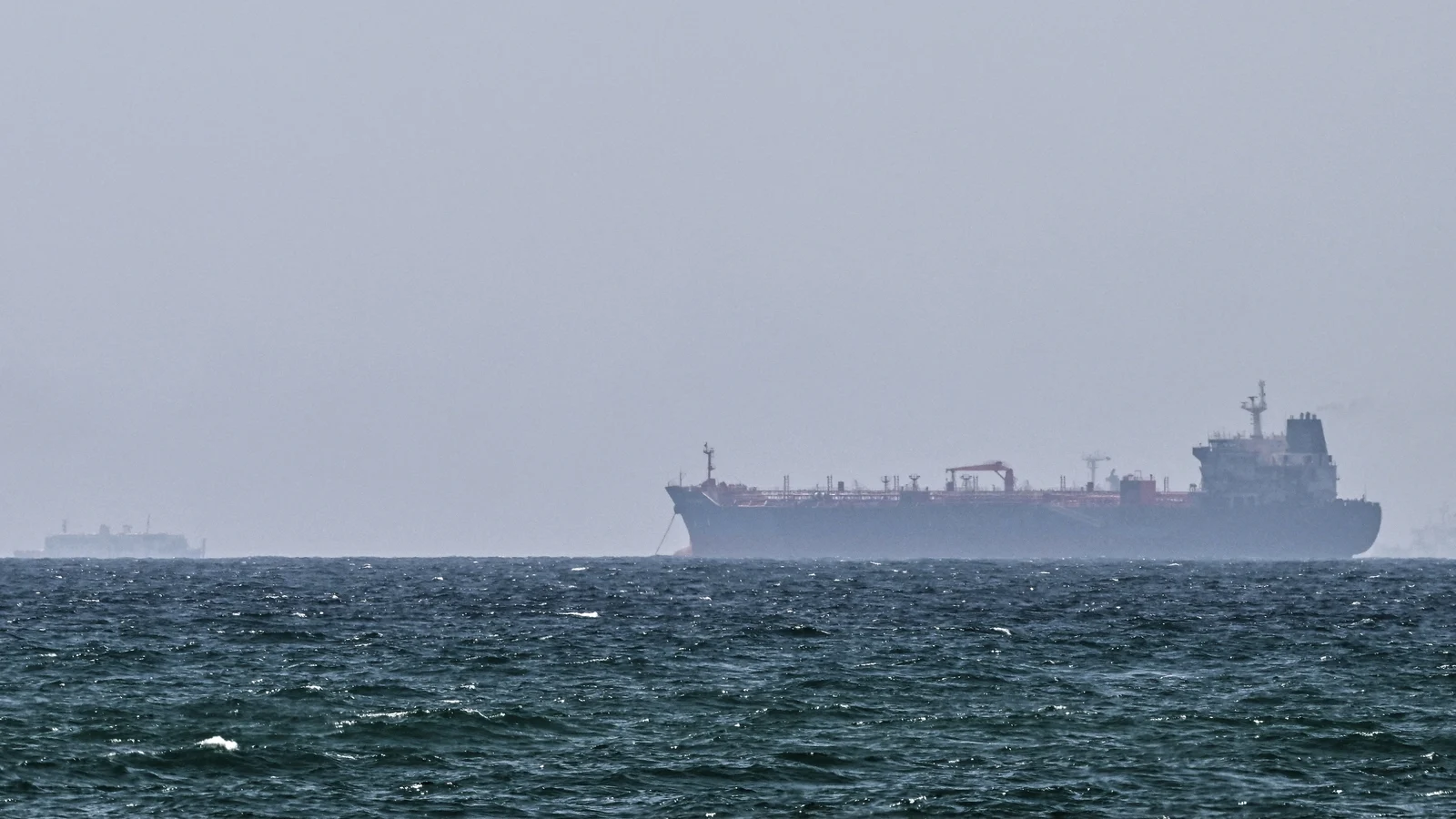
Key discussion points during the Doha negotiations included the reopening and control of the vital Strait of Hormuz, the release of frozen Iranian assets, and the future of Iran's nuclear program. Iran has vehemently insisted on its right to control shipping routes through the Strait of Hormuz and potentially impose fees, a stance that has been met with strong opposition from the U.S. and several Gulf Arab states. This issue has been a significant point of contention and a source of continued regional instability.
Another central theme was the unfreezing of Iranian funds. Reports indicate discussions revolved around the release of billions of dollars, with figures like $6 billion out of a total $12 billion in Iranian assets held in Qatar being mentioned. Iranian Deputy Foreign Minister Kazem Gharibabadi stated that these funds are intended for purchasing essential goods, a claim that contrasts with U.S. President Donald Trump's suggestion that the money could be used to buy U.S. agricultural products like corn, soybeans, and wheat.
The Iranian nuclear program, while part of the broader MoU, saw limited substantive negotiation in Doha. While the agreement reaffirms commitments to preventing Iran from developing nuclear weapons, detailed accountability mechanisms and the issue of IAEA inspections are still being ironed out, with Iran maintaining its position on uranium enrichment. As part of the progress, a communication channel is to be established to formally document and report alleged violations of the MoU, a step aimed at maintaining transparency and managing potential escalations.
Pakistan and Qatar's role as mediators has been crucial in facilitating these indirect talks. Pakistan, in particular, has leveraged its unique diplomatic access to both Washington and Tehran, utilizing what has been termed "quiet diplomacy" to maintain communication channels and de-escalate tensions. This mediation effort has significantly elevated Pakistan's international standing, positioning it as a vital facilitator in a multipolar world.
The talks are currently in a temporary pause, allowing for the funeral processions of Iran's former Supreme Leader Ayatollah Ali Khamenei. Khamenei was reportedly killed in U.S.-Israeli strikes on February 28, 2026, marking a critical event at the outset of the "West Asia war." The funeral is expected to last from July 4 to July 9, 2026, with the next round of U.S.-Iran discussions anticipated to resume shortly thereafter. U.S. President Donald Trump has expressed optimism about the progress in talks, particularly concerning Iran's denuclearization. However, Iranian officials, while acknowledging technical talks, have denied direct negotiations with their American counterparts.
The broader regional context remains complex, with ongoing fighting between Israel and Hezbollah in Lebanon, and U.S. Central Command convening security dialogues with various Middle Eastern nations, often drawing criticism from Iran. The fragility of the ceasefire and the deep-seated disagreements on issues like the Strait of Hormuz and the nuclear program underscore the challenges ahead in achieving a lasting peace in West Asia.
Frequently Asked Questions
What is the current status of the 'West Asia war' mentioned in the article?
The 'West Asia war' refers to an ongoing conflict that began in late February 2026 with U.S.-Israeli strikes against Iran. While a 60-day ceasefire was agreed upon in June 2026 through a Memorandum of Understanding (MoU), tensions persist, and diplomatic efforts are underway to secure a permanent peace.
What role has Pakistan played in the U.S.-Iran talks?
Pakistan has played a pivotal role as a mediator and facilitator in the indirect talks between the United States and Iran, along with Qatar. Its "quiet diplomacy" and unique diplomatic access to both Washington and Tehran have been crucial in maintaining communication channels and de-escalating the regional conflict.
What were the main issues discussed in the Doha talks between the U.S. and Iran?
The main issues discussed included the future of the Strait of Hormuz, particularly Iran's control and demands for shipping fees, and the release of frozen Iranian assets, with billions of dollars potentially being unfrozen. Discussions also touched upon Iran's nuclear program and the establishment of a communication channel to report MoU violations.
Why are the talks currently paused?
The indirect talks are currently paused to allow for the funeral processions of Iran's former Supreme Leader, Ayatollah Ali Khamenei, who was reportedly killed in U.S.-Israeli strikes on February 28, 2026, at the start of the conflict. The funeral is expected to take place between July 4 and July 9, 2026.
What has been U.S. President Donald Trump's stance on the recent talks?
U.S. President Donald Trump has expressed optimism regarding the progress made in the indirect talks, particularly concerning the denuclearization of Iran. He has also indicated that the release of frozen Iranian funds is linked to continued progress in negotiations.