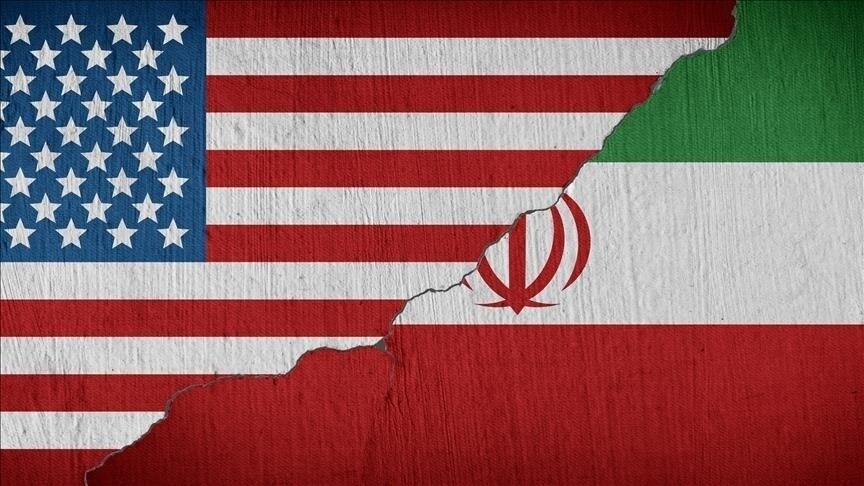
Oil prices plunge as US, Iran agree to reopen Strait of Hormuz
Oil prices have fallen to a three-month low following a reported peace deal between the US and Iran aimed at ending hostilities and reopening the critical Strait of Hormuz. The agreement, brokered by Pakistan, is set to be signed soon, with global markets reacting positively to the prospect of eased energy supply concerns. India, a major oil importer, anticipates significant relief in its energy costs and inflation pressures.
Key Highlights
- US and Iran announce preliminary peace deal to end conflict.
- Strait of Hormuz set to reopen, easing global oil supply fears.
- Oil prices hit a three-month low amid the developing news.
- India expects reduced energy costs and inflation relief.
- Signing ceremony for the deal scheduled for Friday in Switzerland.
Global oil prices have experienced a significant downturn, reaching a three-month low following the announcement of a preliminary peace agreement between the United States and Iran. This landmark deal aims to de-escalate the conflict that has disrupted critical shipping lanes, particularly the Strait of Hormuz. The agreement, brokered by Pakistan, has been confirmed by both Iranian and U.S. officials, with President Donald Trump signaling the immediate lifting of the U.S. naval blockade on Iranian ports and the subsequent reopening of the Strait of Hormuz.
The pact is slated for an official signing ceremony in Switzerland on Friday, June 19, 2026. This development has been met with cautious optimism by global markets, which had been bracing for sustained energy supply shocks due to the closure of the Strait of Hormuz, a vital chokepoint for approximately one-fifth of the world's oil and liquefied natural gas supplies. The conflict, which began on February 28, 2026, had sent Brent crude prices soaring from around $72 a barrel to a peak of over $114. The news of the impending peace deal has led to a sharp correction, with Brent crude falling to approximately $83 a barrel and West Texas Intermediate (WTI) dropping to around $80.53 by June 15, 2026. Analysts attribute this sharp decline to the unwinding of the geopolitical risk premium that had been built into crude oil prices.
For India, a nation heavily reliant on oil imports (over 85% of its needs), the reopening of the Strait of Hormuz signifies substantial economic relief. The anticipated easing of supply concerns is expected to lower the country's import bill, strengthen the Indian Rupee against the US dollar, and alleviate inflationary pressures that have been impacting households and businesses. Sectors with high energy cost components are particularly poised to benefit. The reduction in transportation expenses from lower fuel costs could also moderate prices for a wide range of goods, from food to construction materials.
The agreement, however, is not without its complexities. While the immediate conflict is set to cease, further negotiations are expected to address Iran's nuclear program and the lifting of sanctions over the next 60 days. There are also lingering concerns regarding the physical reopening of the Strait, with reports indicating that it may take several weeks for traffic to fully normalize due to potential mine-clearing operations. Furthermore, not all parties are fully aligned, with Israeli officials stating they are not bound by the deal to end their operations in Lebanon.
The role of Pakistan as a mediator has been pivotal in brokering this agreement, with Prime Minister Shehbaz Sharif playing a key part in announcing the breakthrough. The UN Human Rights Chief, Volker Türk, has welcomed the deal, urging restraint and good-faith implementation from all parties involved. While the markets have reacted favorably to the prospect of restored oil flows, the long-term implications will depend on the successful implementation of the agreement and the resolution of outstanding issues in the upcoming negotiations. The news highlights the continued fragility of global energy markets and the profound impact that geopolitical events in the Strait of Hormuz can have on the world economy, particularly for energy-importing nations like India. The initial deal's focus is on ending hostilities and reopening the strait, with more intricate issues to be tackled in subsequent talks.
Frequently Asked Questions
What is the Strait of Hormuz and why is it important?
The Strait of Hormuz is a narrow waterway connecting the Persian Gulf and the Gulf of Oman. It is a crucial chokepoint for global oil and natural gas transportation, with approximately one-fifth of the world's oil supply passing through it daily. Its closure or disruption can significantly impact global energy markets and prices.
What are the key terms of the preliminary US-Iran peace deal?
The preliminary peace deal includes an immediate and permanent cessation of military operations on all fronts, the reopening of the Strait of Hormuz to international shipping, and the removal of the US naval blockade on Iranian ports. A formal signing ceremony is scheduled, followed by further negotiations on issues like Iran's nuclear program and sanctions over the next 60 days.
How will the reopening of the Strait of Hormuz affect India?
For India, a major oil importer, the reopening of the Strait of Hormuz is expected to ease oil supply risks, lower its import bill, stabilize the rupee, and reduce inflationary pressures. This could lead to lower fuel costs and moderate prices for various goods.
What is the current status of oil prices following the announcement?
Following the announcement of the US-Iran peace deal and the prospect of the Strait of Hormuz reopening, oil prices have fallen to a three-month low. Brent crude futures have dropped significantly, reflecting the unwinding of geopolitical risk premiums in the market.