Iran's Covert Ceasefire Overture to CIA Amidst US-Israel Strikes
Amid intense US and Israeli military operations, Iran's intelligence operatives reportedly made a secret, indirect approach to the CIA to discuss ceasefire terms. While American officials remain skeptical, this outreach, disclosed by The New York Times, highlights complex diplomatic maneuvers amidst ongoing conflict and public defiance from Tehran.
Key Highlights
- Iranian intelligence made secret, indirect contact with the CIA.
- Outreach aimed at discussing ceasefire terms amidst US-Israel strikes.
- US officials express skepticism regarding Iran's sincerity for de-escalation.
- Contact facilitated through an unnamed third-country intelligence service.
- Publicly, Iran rejected negotiations, while Trump stated it was 'too late'.
- The news significantly impacted global stock markets.
In a significant development amidst escalating tensions and ongoing military engagements, Iranian intelligence operatives reportedly initiated secret, indirect contact with the U.S. Central Intelligence Agency (CIA) to explore terms for a potential ceasefire. This revelation, originally reported by The New York Times and corroborated by multiple credible news outlets including Reuters, The Guardian, NDTV, and The Jerusalem Post, indicates a complex layer of diplomacy occurring beneath public hostilities.
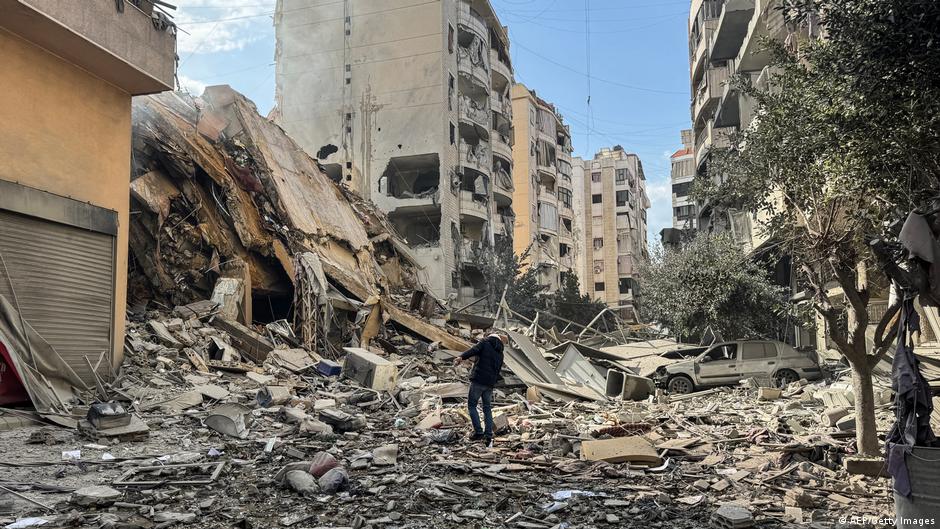
The outreach purportedly took place approximately one day after a series of intense US and Israeli strikes commenced on Iran, or during the early days of the ongoing conflict. The current conflict environment in early March 2026 follows previous periods of heightened military action, including a 'Twelve-Day War' in June 2025 and Israeli strikes throughout 2024. The most recent wave of hostilities, described as a 'current war that began on February 28, 2026, when Israel and the US launched attacks on Iran', provides the immediate backdrop for these reported communications. These strikes have reportedly caused significant casualties and disruption within Iran, with one report from early March 2026 citing Iran's official IRNA news agency stating that over 1,000 people, including military personnel and civilians, have been killed in US and Israeli strikes since a recent Saturday.
According to officials briefed on these communications, the contact was not direct but rather facilitated through the intelligence service of an unnamed third country. This indirect approach underscores the sensitive and clandestine nature of the overture, allowing Iran to explore de-escalation without publicly backtracking on its defiant stance. American officials, while acknowledging the outreach, have largely expressed skepticism regarding its seriousness. They reportedly do not believe that either the Trump administration or Iran is genuinely prepared for an immediate 'off-ramp' or a full de-escalation of the situation, at least in the short term. The White House and the CIA have notably declined immediate official comment on the reports.
This secret diplomatic maneuver contrasts sharply with the public rhetoric from both sides. Iran's surviving leadership has publicly rejected any negotiations with the Trump administration to halt the American and Israeli assault on their country. Concurrently, U.S. President Donald Trump has also adopted a publicly firm stance, stating that it was 'too late' for talks as the United States continued its military operations against Iran. This public-private disparity highlights the complexities and inherent mistrust characterizing the current geopolitical standoff.
The context of the conflict is further complicated by internal dynamics within Iran, where continued Israeli strikes have reportedly thrown the leadership structure into deeper disarray, raising questions about who possesses the authority to commit Iran to a ceasefire. Additionally, the United States has allegedly insisted that any agreement to stop the bombing would necessitate Iran's abandonment or drastic curtailment of its ballistic missile and nuclear programs, alongside a reduction in support for proxy groups. These conditions represent significant hurdles to any potential diplomatic resolution.
The reports of this secret outreach have had a tangible impact on global markets. European stock markets rallied following the news, after several days of heavy losses on indices worldwide. Conversely, Asian stock markets, including India's Nifty 50, experienced declines earlier in the day due to the broader Middle East conflict. The ongoing conflict also has direct relevance for India, with reports of Indian returnees from Dubai recounting 'bombardment' amid the West Asia situation, underscoring the regional impact on Indian citizens and economic interests.
A point of clarification regarding the 'RELATED ARTICLES' provided: the mention of 'US Defence Secretary Pete Hegseth' in the Euronews.com snippet is accurate within the established timeline of March 2026. Peter Brian Hegseth assumed the role of the 29th United States Secretary of Defense on January 25, 2025, under President Donald Trump. His public statements, such as those made at Pentagon briefings, are relevant to the ongoing conflict. The US Department of Defense was also notably renamed to the Department of War on September 5, 2025.
Overall, the Moneycontrol.com article accurately reports on the secret Iranian outreach to the CIA for ceasefire discussions. The claims are verified by numerous international news sources, and the headline appropriately conveys the speculative and unconfirmed nature of the 'talks attempt' while highlighting the critical context of ongoing military strikes. The situation remains fluid, with significant implications for international relations, global security, and economic stability.
Frequently Asked Questions
What is the primary claim made in the news article?
The primary claim is that Iran's intelligence operatives quietly and indirectly reached out to the U.S. Central Intelligence Agency (CIA) to discuss terms for a ceasefire amidst ongoing US and Israeli military strikes on Iran.
When did this alleged outreach from Iran to the CIA occur?
The outreach reportedly occurred approximately one day after the commencement of recent US and Israeli attacks on Iran, or during the early phase of the current conflict, which intensified in late February/early March 2026.
What is the US response to Iran's alleged ceasefire overture?
U.S. officials have acknowledged the outreach but remain skeptical about the sincerity and readiness of both the Trump administration and Iran for an immediate de-escalation of the conflict. The White House and CIA have not provided immediate official comments.
How does this secret diplomacy align with public statements from Iran and the US?
This secret outreach stands in contrast to public declarations. Iran's leadership has publicly rejected negotiations with the Trump administration, while President Donald Trump has publicly stated it is 'too late' for talks.
What are the broader implications of this report?
The report highlights complex diplomatic efforts behind the scenes of an active conflict. It has had a notable impact on global markets, causing European stock markets to rally after initial declines in Asian markets, and underscores the ongoing instability in the Middle East with significant international repercussions.