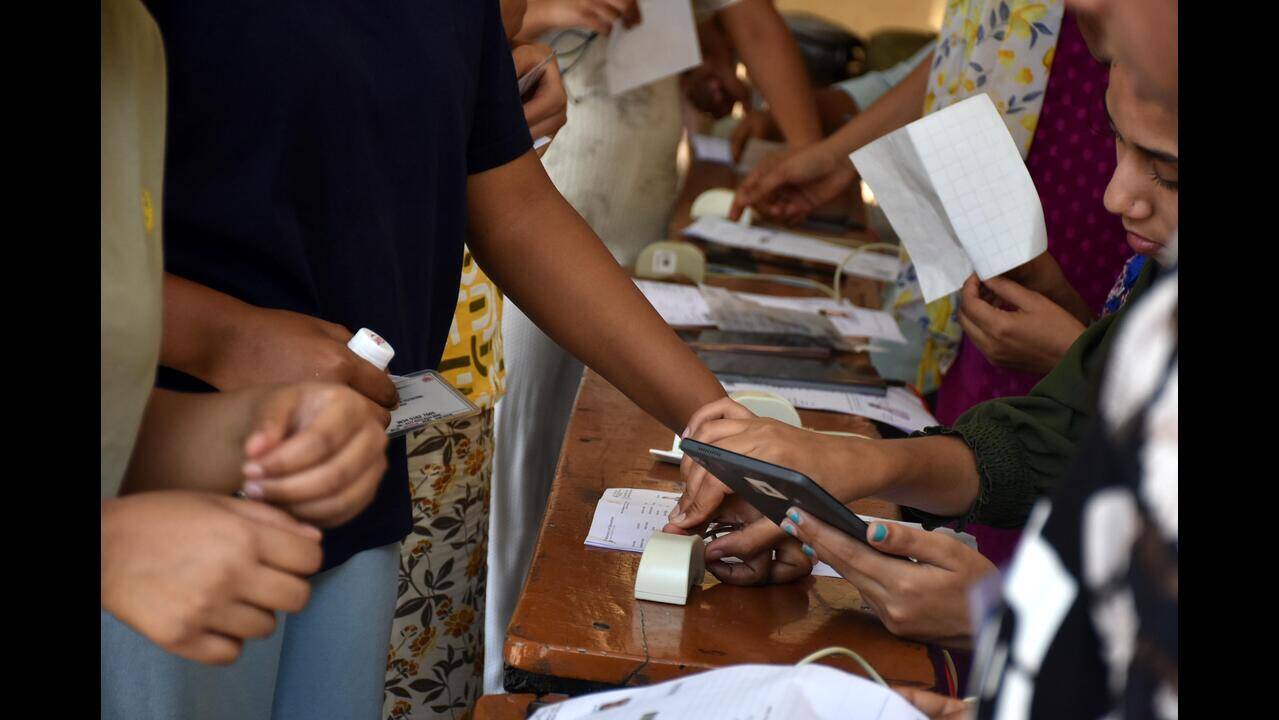
NEET Aspirant Suicides Highlight Exam Stress Ahead of Re-Test
Tragedy strikes as two NEET aspirants, Jatin Kumar in Ghaziabad and Avantika Maurya in Indore, die by suicide amid intense exam pressure and the upcoming re-examination. These incidents underscore the severe mental health crisis faced by students in India's highly competitive medical entrance system.
Key Highlights
- Jatin Kumar, 22, died by suicide in Ghaziabad, leaving a video note.
- Avantika Maurya, 21, died in Indore, with family citing exam stress.
- Incidents occurred just days before the NEET-UG re-examination on June 21, 2026.
- Both students reportedly faced immense pressure from repeated attempts and exam uncertainty.
- The deaths reignite concerns about student mental health and academic burden in India.
- Calls for better support systems and examination reforms intensified after these tragedies.
In a deeply distressing turn of events, two NEET (National Eligibility cum Entrance Test) aspirants, Jatin Kumar from Ghaziabad, Uttar Pradesh, and Avantika Maurya from Indore, Madhya Pradesh, have tragically died by suicide, casting a somber shadow over the highly competitive medical entrance examination system in India. These incidents, occurring just days before the crucial NEET-UG re-examination scheduled for June 21, 2026, have reignited urgent discussions about the immense academic pressure and mental health crisis confronting students across the nation.
In Ghaziabad, 22-year-old Jatin Kumar was found dead at his residence on Friday morning, June 19, 2026. Police investigations revealed that Jatin had left a poignant video message shortly before his death. In this video, he reportedly stated he was "thinking of doing something different today" and was seen panning the camera around his study room towards a noose hanging from the ceiling fan. Family members informed authorities that Jatin had been preparing for the NEET-UG examination for several years and had reportedly failed to clear the test in multiple previous attempts. The Times of India reported that in his video, Jatin mentioned his father's advice not to take stress and asserted he wasn't under pressure, but had grown tired of the process and wished to pursue 'something different'. His family discovered his body when he did not emerge from his room the following morning, prompting them to alert the police.
Concurrently, in Indore, 21-year-old Avantika Maurya died under suspicious circumstances after falling from a multi-storey building on Thursday night, June 18, 2026, and succumbing to her injuries on Friday morning. Avantika, a resident of the Dhar district, was living with her elder sister in Indore while preparing for NEET-UG. Her family firmly believes that she took her own life due to the overwhelming stress associated with the examination. The Hindu reported that Avantika was preparing for her fourth attempt at NEET-UG, with the re-examination scheduled for June 21. Her family disclosed that she had been deeply disheartened following the recent controversy surrounding the NEET question paper leak and the subsequent cancellation of the May 3 exam. Police have initiated an investigation, examining CCTV footage and phone records, though no suicide note was recovered in her case initially.
These tragic deaths come at a particularly sensitive time, as over 2.3 million candidates are preparing to retake the NEET-UG 2026 examination on June 21. The original exam, held on May 3, was cancelled by the National Testing Agency (NTA) due to widespread allegations of a paper leak and other irregularities. This unprecedented cancellation has plunged lakhs of students into a state of heightened anxiety and uncertainty, forcing them to extend an already arduous preparation cycle and relive the pressures of exam day. Experts and mental health professionals have consistently highlighted the severe psychological toll that India's high-stakes entrance examinations, particularly NEET, inflict upon aspirants. Students often experience sleepless nights, panic attacks, and emotional numbness, with prolonged uncertainty proving even more stressful than outright failure.
The recurring nature of such incidents underscores a systemic issue within the Indian education system, where immense academic pressure, parental expectations, and the competitive nature of exams like NEET often lead to severe psychological distress. There have been repeated calls from various quarters for strengthening counselling services, establishing robust support systems, and promoting greater awareness about stress management among students. The incidents have also intensified demands for comprehensive examination reforms to ensure transparency, credibility, and to mitigate the emotional burden on young aspirants. A parliamentary panel, in fact, recently recommended conducting NEET-UG multiple times annually to alleviate student stress and prevent them from losing an entire academic year due to unforeseen circumstances.
The National Medical Commission (NMC) has also issued directives to medical colleges to remain vigilant and avoid granting leave to students on June 20 and 21, the days surrounding the re-examination, to ensure fairness and prevent any potential misuse. These measures, however, often fall short of addressing the root causes of the immense mental strain experienced by students, highlighting the urgent need for a holistic approach to student well-being in India's education landscape. The latest suicides serve as a stark reminder of the devastating consequences of unchecked academic pressure and the critical need for a supportive environment for aspiring medical professionals.
Frequently Asked Questions
What led to the recent suicides of NEET aspirants?
The recent suicides of NEET aspirants, Jatin Kumar in Ghaziabad and Avantika Maurya in Indore, are primarily attributed to intense exam pressure, repeated failures in the highly competitive NEET-UG examination, and the anxiety surrounding the recently cancelled and rescheduled re-examination.
When is the NEET-UG re-examination scheduled?
The NEET-UG re-examination, which was necessitated by allegations of a paper leak and irregularities in the May 3 exam, is scheduled to be held on June 21, 2026.
What are the broader implications of these suicides for student mental health in India?
These suicides highlight a significant mental health crisis among students in India, particularly those preparing for high-stakes entrance exams like NEET. The incidents underscore the need for improved mental health support systems, stress management education, and reforms in the examination system to alleviate academic pressure.
What measures are being suggested to reduce student stress related to NEET?
Suggestions to reduce student stress include conducting the NEET-UG examination multiple times a year, strengthening counselling services, establishing robust support systems, and promoting greater awareness about stress management among students.
Are there other reports of NEET aspirant suicides this year?
Yes, these recent tragedies are part of a concerning pattern, with reports indicating at least 12 student suicides in the 37 days since the original NEET-UG examination was cancelled. Such incidents are recurring across various states, raising alarm about the psychological toll on aspirants.