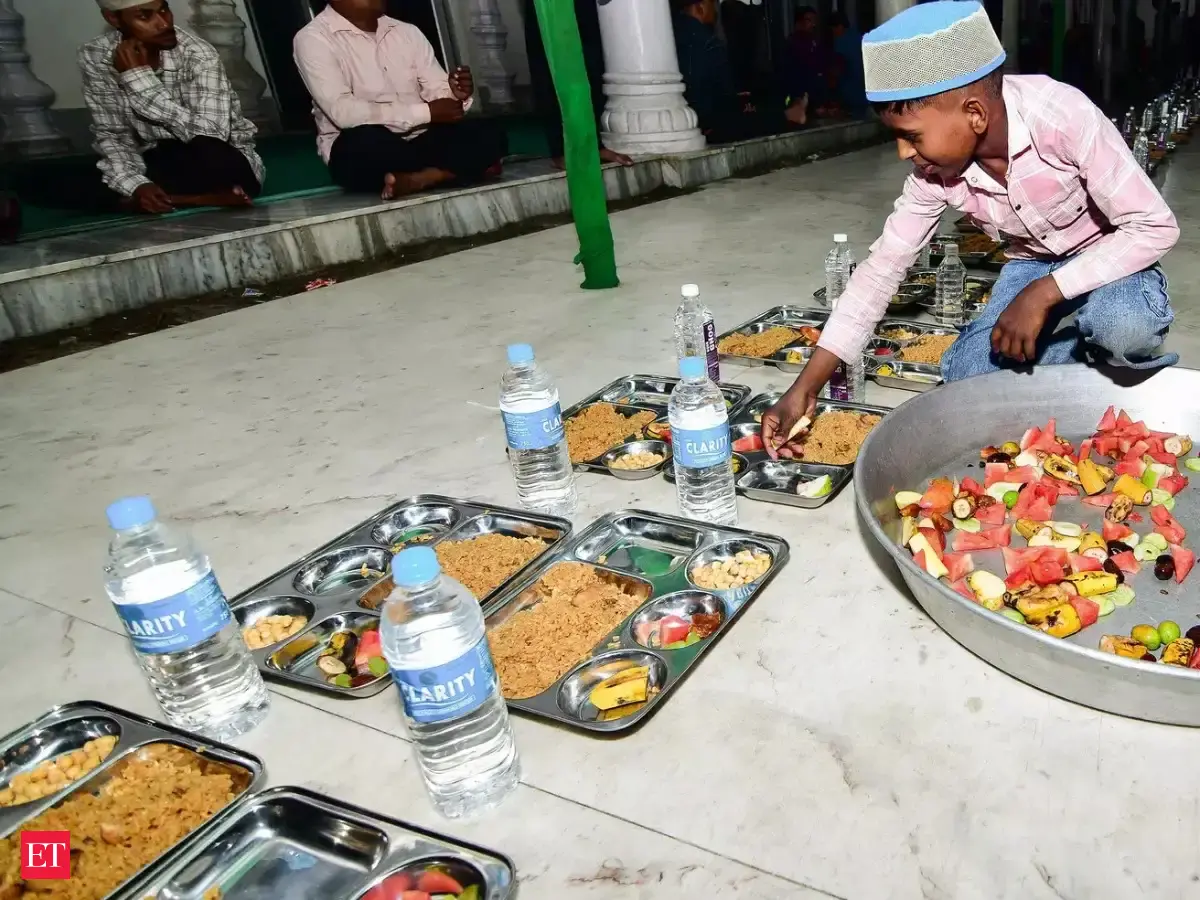
Urban India's growing health crisis: Diabetes, hypertension, and stark inequities
Indian cities are grappling with a rising burden of non-communicable diseases (NCDs) like diabetes and hypertension, disproportionately affecting vulnerable urban populations. Factors such as urbanization, lifestyle changes, and inadequate healthcare access exacerbate health inequities, particularly within informal settlements. The Indian Council of Medical Research emphasizes the need for India-specific research to address these complex health challenges effectively.
Key Highlights
- Urban India faces a growing crisis of NCDs like diabetes and hypertension.
- Health inequities are widening, especially in informal urban settlements.
- Urbanization and lifestyle changes are key drivers of this health crisis.
- Access to quality healthcare remains a significant challenge for the urban poor.
- India-specific research is crucial for effective NCD prevention and treatment.
India's burgeoning urban centers are increasingly facing a significant public health challenge characterized by a rising tide of non-communicable diseases (NCDs), particularly diabetes and hypertension. This escalating burden is not uniformly distributed, with stark health inequities emerging, especially within the vulnerable populations residing in urban informal settlements. The original article from India Development Review highlights how factors like rapid urbanization, coupled with profound lifestyle and socioeconomic changes, are creating a perfect storm for chronic diseases. These shifts are often accompanied by inadequate access to affordable and quality healthcare, further widening the gap in health outcomes.
The World Health Organization (WHO) has identified NCDs as a major global health concern, and India is no exception. Studies indicate that NCDs account for a significant portion of deaths and disability in the country. For instance, the Indian Council of Medical Research (ICMR) has revealed that unhealthy diets contribute to a substantial percentage of India's disease burden. The transition to more processed foods and a decline in physical activity are driving the increase in conditions like diabetes, hypertension, and cardiovascular diseases. The prevalence of these conditions is notably higher in urban areas compared to rural counterparts, although recent data suggests a narrowing gap in some risk factors, indicating a widespread nutritional transition.
Urbanization's multifaceted impact on health is a critical theme. As cities grow, they often present a complex environment with increased exposure to sedentary lifestyles, stress, environmental pollution, and altered dietary patterns. These factors contribute to a higher incidence of NCDs in urban populations, including conditions like hypertension and diabetes, which are often undiagnosed or inadequately managed. The urban poor, in particular, face compounded challenges due to factors like congested living conditions, unfavorable working environments, limited access to healthy food, and economic stressors.
Addressing this crisis requires a multi-pronged approach. The Indian government has implemented various programs, such as the National Programme for Prevention and Control of Cancer, Diabetes, Cardiovascular Diseases and Stroke (NPCDCS) and the National Urban Health Mission (NUHM), aiming to strengthen primary healthcare and provide access to services for underserved urban populations. However, challenges persist in terms of effective implementation, fragmented healthcare provisioning, and sparse funding for primary care in urban areas.
The ICMR is advocating for a significant shift towards generating India-specific evidence for treating lifestyle diseases. This involves prioritizing multi-center clinical trials that consider unique Indian genetic diversity, dietary habits, climatic conditions, and disease patterns. This localized research approach is crucial because Western-derived data and treatment protocols may not always be directly applicable to the Indian population. Experts note that Indians often exhibit a 'thin-fat' physique, meaning normal BMI but high visceral fat, increasing susceptibility to insulin resistance and diabetes at a younger age.
The article underscores the concept of health inequities, highlighting how socioeconomic factors, such as poverty, literacy, and social marginalization, play a significant role in health outcomes, especially in urban informal settlements. The poorest urban Indians often face worse health outcomes compared to their rural counterparts, with higher child mortality and disease prevalence. The challenges faced by individuals like Sakina, a resident of a Mumbai informal settlement who struggles with managing her diabetes and hypertension due to financial constraints and poor access to healthcare, exemplify the lived reality of many urban poor.
Ultimately, the rising burden of diabetes and hypertension in Indian cities is a complex interplay of demographic shifts, lifestyle changes, environmental factors, and socio-economic disparities. Addressing this requires not only strengthening healthcare systems but also implementing targeted interventions that consider the specific vulnerabilities and needs of urban populations, particularly the poor and those in informal settlements. The call for India-specific research is a vital step towards developing effective, culturally relevant, and equitable strategies to combat this growing health crisis. The India Development Review, as a platform for insights into India's social impact sector, plays a crucial role in bringing these critical issues to the forefront, fostering a better-informed approach to public health challenges.
**Key Statistics and Evidence:**
* Non-communicable diseases (NCDs) account for approximately 63-65% of all deaths in India.
* Unhealthy diets are linked to 56.4% of India's total disease burden.
* Urban populations often have higher rates of physical inactivity, overweight, hypertension, and raised blood sugar compared to rural populations.
* The prevalence of hypertension can be as high as 50% in the elderly in urban areas, with diabetes at 25-26%.
* ICMR estimates over 101 million Indians living with diabetes and 136 million pre-diabetic.
* NFHS-5 data shows a higher prevalence of hypertension and diabetes in urban males compared to rural males.
* The poorest urban Indians face worse health outcomes than their rural counterparts, with higher child mortality rates.
* NCDs are appearing at least a decade earlier in India compared to developed nations.
Frequently Asked Questions
What are the main non-communicable diseases (NCDs) discussed in relation to Indian cities?
The primary NCDs discussed are diabetes and hypertension, which are increasingly prevalent in urban areas of India.
How does urbanization contribute to the rise of NCDs in India?
Urbanization contributes through factors like lifestyle changes, sedentary behavior, adoption of processed diets, increased stress, and environmental pollution, all of which are risk factors for NCDs.
Who is most affected by the rising health inequities in Indian cities?
The urban poor, particularly those living in informal settlements, are disproportionately affected by rising health inequities due to limited access to quality healthcare, financial constraints, and challenging living conditions.
What is the Indian Council of Medical Research (ICMR) doing to address these health issues?
The ICMR is advocating for large-scale, multi-center clinical trials to develop India-specific evidence for treating lifestyle and chronic diseases, moving away from reliance on Western data.
Why is India-specific research on NCDs considered important?
India-specific research is crucial because factors like genetics, diet, climate, and disease patterns in India differ from Western populations, meaning treatments effective elsewhere may not be as effective in India.