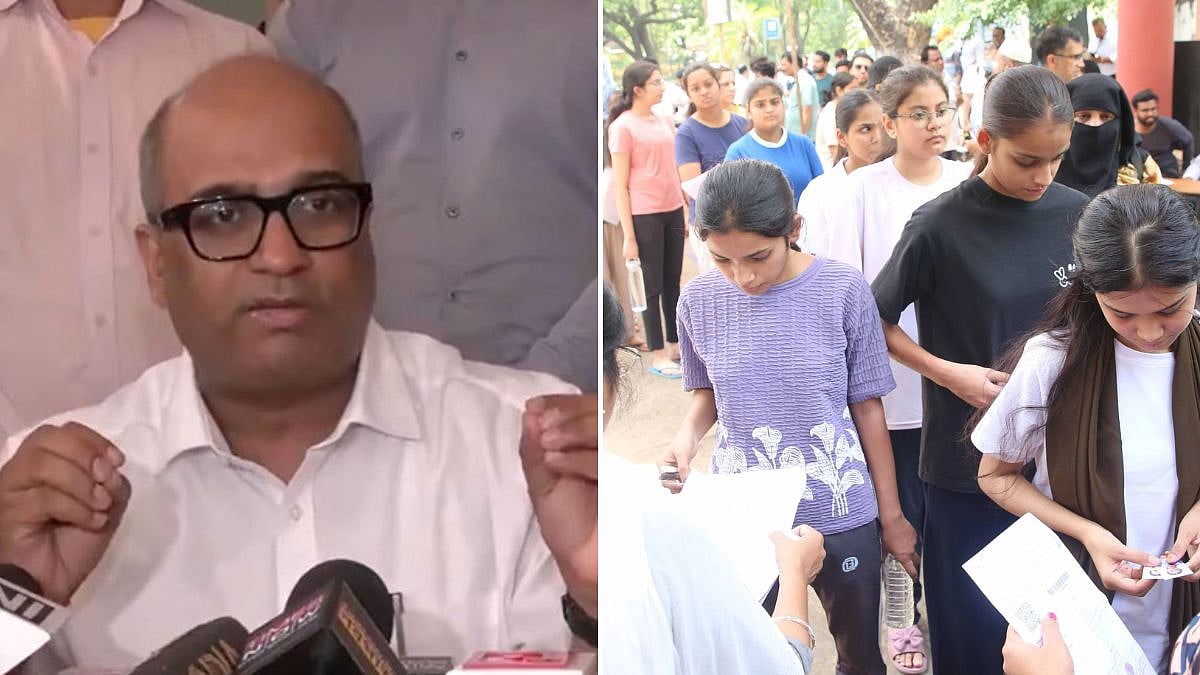
CBI arrests NTA expert in NEET-UG 2026 physics paper leak case
The Central Bureau of Investigation (CBI) has arrested Manisha Sanjay Havaldar, an NTA-appointed expert, in connection with the NEET-UG 2026 physics paper leak. Havaldar allegedly had access to the physics question paper and shared it with another accused, Manisha Mandhare, in April. This arrest is part of a larger investigation into the NEET-UG 2026 paper leak scandal, which has seen several other arrests, including other NTA experts.
Key Highlights
- CBI arrests NTA expert in NEET-UG 2026 physics paper leak.
- Accused Manisha Havaldar allegedly shared physics questions with co-accused.
- Investigation has uncovered the alleged 'actual source' of the physics paper leak.
- Several NTA experts and intermediaries have been arrested in the ongoing probe.
- The NEET-UG 2026 exam has faced significant controversy due to alleged paper leaks.
The Central Bureau of Investigation (CBI) has made a significant arrest in the ongoing investigation into the NEET-UG 2026 paper leak case, apprehending Manisha Sanjay Havaldar, an expert appointed by the National Testing Agency (NTA). Havaldar, who is employed at Seth Hiralal Saraf Prashala in Pune, is alleged to be a key accused and the 'actual source' of the physics paper leak. According to CBI officials, Havaldar possessed complete access to the NEET-UG 2026 physics question paper and, in April, shared some of these questions with another arrested co-accused, Manisha Mandhare. The questions allegedly leaked by Havaldar have been found to match the physics paper of the NEET-UG 2026 examination.
This arrest is part of a larger, multi-pronged investigation by the CBI into the NEET-UG 2026 paper leak scandal. The probe has so far identified and arrested a total of eleven accused from various locations across the country, including Delhi, Jaipur, Gurugram, Nashik, Pune, Latur, and Ahilyanagar. The CBI's investigation has also focused on intermediaries who allegedly mobilized students willing to pay substantial sums of money, reportedly in lakhs, to attend 'special coaching sessions' where leaked questions were purportedly shared. These intermediaries have also been identified and arrested as part of the ongoing efforts to dismantle the entire network involved in the paper leak.
Earlier arrests in the case include those of P.V. Kulkarni, a retired chemistry lecturer and a domain expert who allegedly served on NEET paper-setting panels for years, and Manisha Mandhare, a botany teacher and NTA expert. Kulkarni is alleged to be the 'kingpin' and is accused of misusing his access to question papers to conduct coaching classes where he dictated questions, answer options, and correct answers. Mandhare, as a biology expert, was allegedly involved in preparing the Botany and Zoology sections and is accused of mobilizing prospective candidates through another individual, conducting coaching classes, and dictating leaked questions and answers. Investigations have also revealed that some NTA experts, including Mandhare and Kulkarni, were involved in translating the question paper into Marathi, which provided them with access to the final chemistry and biology sections of the examination. This translation process, involving multiple layers and contractual staff, has been identified as a potential structural vulnerability in the paper-setting architecture.
The CBI registered the case on May 12, following a written complaint from the Department of Higher Education, Ministry of Education. Searches have been conducted at various locations, leading to the seizure of incriminating documents, laptops, bank statements, and mobile phones, all of which are currently undergoing detailed analysis. The NEET-UG 2026 examination, a critical entrance test for undergraduate medical programs in India, has been marred by significant controversy and allegations of paper leaks, leading to widespread concern among students and parents. The investigation is continuing with the aim of comprehensively uncovering all aspects of the leakage and bringing all involved parties to justice.
Frequently Asked Questions
Who is Manisha Sanjay Havaldar and what is her alleged role in the NEET-UG 2026 paper leak?
Manisha Sanjay Havaldar is an NTA-appointed expert employed at Seth Hiralal Saraf Prashala in Pune. She has been arrested by the CBI for allegedly being the 'actual source' of the NEET-UG 2026 physics paper leak, and is accused of sharing physics questions with another co-accused, Manisha Mandhare.
What is the CBI's current status in the NEET-UG 2026 paper leak investigation?
The CBI has arrested 11 accused so far, including NTA experts and intermediaries. The investigation is ongoing, with searches conducted and seized digital and physical evidence being analyzed to uncover the entire network involved in the paper leak.
How did the paper leak allegedly occur for the NEET-UG 2024 examination?
For NEET-UG 2024, the leak is alleged to have originated from Oasis School in Hazaribagh, where access was gained to the strong room containing question papers. The papers were then photographed, solved, and shared with selected students through various intermediaries and coaching classes. The CBI's investigation into the 2026 leak is also focusing on similar modus operandi involving NTA experts and coaching centers.
What are the implications of the NEET-UG 2026 paper leak allegations?
The allegations of paper leaks have led to significant controversy, widespread protests, and demands for re-examination and reforms in the examination system. The ongoing investigation by the CBI aims to ensure transparency and fairness in the crucial medical entrance examination process.
What role did NTA experts play in the alleged NEET-UG 2026 paper leak?
Several NTA-appointed experts, including Manisha Sanjay Havaldar, Manisha Mandhare, and P.V. Kulkarni, have been arrested. They allegedly misused their positions and access to question papers, either by directly leaking them or by dictating them during coaching classes. Some experts were also involved in the translation process, which reportedly gave them access to the final question papers.