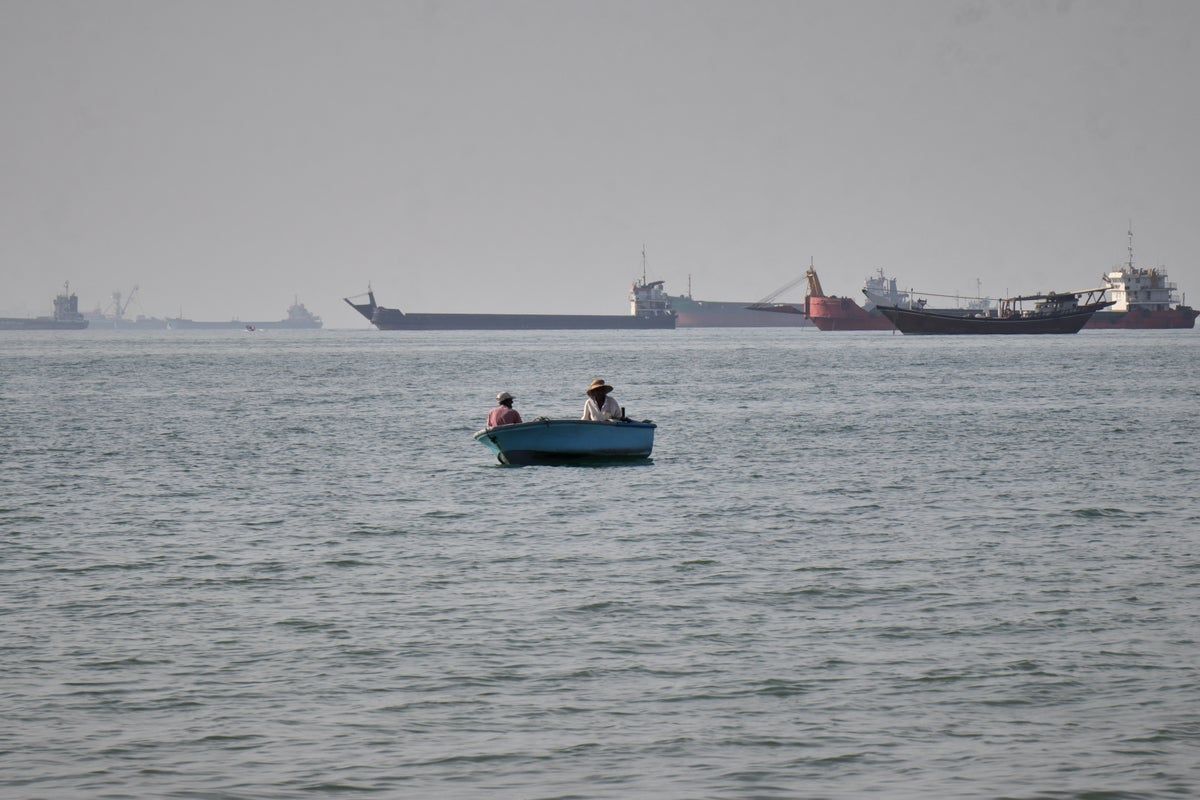
India Condemns Sinking of Indian Ship in Gulf of Oman Attack
India has strongly condemned the sinking of an Indian-flagged cargo vessel, the Haji Ali, in the Gulf of Oman following a suspected drone or missile strike. The incident, which occurred on May 13, 2026, resulted in the loss of the vessel but the safe rescue of all 14 crew members by the Omani coast guard. India reiterated its stance against targeting commercial shipping and civilian mariners, calling the attack unacceptable.
Key Highlights
- Indian-flagged cargo vessel Haji Ali sank after suspected attack.
- All 14 crew members were safely rescued by Omani coast guard.
- India condemned the attack as 'unacceptable'.
- The incident highlights ongoing maritime security concerns.
- The attack occurred in the Gulf of Oman.
- India called for avoiding further targeting of civilian shipping.
India has issued a strong condemnation following the sinking of an Indian-flagged wooden cargo vessel, identified as the Haji Ali, in Omani waters on May 13, 2026. The vessel was en route from Berbera, Somalia, to Sharjah, UAE, when it was struck by what preliminary reports indicate was a drone or missile, causing a fire that ultimately led to its sinking. Fortunately, all 14 Indian crew members aboard were safely rescued by the Omani coast guard and brought to Diba port.
The Indian Ministry of External Affairs (MEA) officially condemned the attack, labeling it as "unacceptable" and expressing deep concern over the continued targeting of commercial shipping and civilian mariners in the region. In a statement, the MEA emphasized that "targeting commercial shipping and endangering innocent civilian crew members, or otherwise impeding freedom of navigation and commerce, should be avoided." While India did not officially assign blame for the attack, British maritime risk management group Vanguard suggested the explosion was likely caused by a drone or missile strike.
This incident is the second vessel to have sunk in the region since the conflict involving Iran began on February 28, 2026. The ongoing conflict has significantly disrupted maritime operations, leaving hundreds of ships stranded and approximately 20,000 seafarers unable to navigate the critical Strait of Hormuz waterway leading into the Gulf of Oman. The attack on the Haji Ali underscores the heightened maritime security risks in the Persian Gulf and the Gulf of Oman, a region vital for global oil and gas trade.
India's diplomatic response has been consistent with its previous stance on maritime security. The country has previously summoned the Iranian envoy to New Delhi to express "deep concern" over similar incidents. The latest condemnation also comes at a time when BRICS foreign ministers, including Iran, were gathering in New Delhi for their annual meeting, adding a layer of diplomatic complexity to the situation.
The affected vessel, the Haji Ali, was a wooden dhow, a traditional cargo vessel, carrying a load of livestock. Maritime security sources have assessed that the attack was likely a drone attack. The incident raises critical questions about the expanding target profiles in the Gulf corridor, with the deliberate targeting of a civilian vessel carrying non-strategic cargo presenting a concerning development. India's reiterated commitment to freedom of navigation and the protection of civilian mariners remains a central theme in its foreign policy discourse regarding regional maritime security.
The broader context of escalating tensions in the Middle East, including previous incidents involving US forces disabling Iranian-flagged tankers in the Gulf of Oman as part of blockade enforcement and other attacks on shipping, highlights the volatile nature of the region's maritime domain. The continued disruptions in this vital shipping lane have far-reaching economic implications, impacting global supply chains and energy security.
The sinking of the MSV Hajj Ali is not the first such incident in the Gulf of Oman. In May and June of 2019, several oil tankers were attacked in the Gulf of Oman, with the United States and its allies alleging Iran's involvement. More recently, in April 2026, a US-flagged cargo vessel, the MV Tuska, was seized by US forces in the Gulf of Oman, further intensifying scrutiny over maritime activity tied to Iran.
In summary, India's condemnation of the attack and sinking of the Haji Ali underscores its consistent policy on maritime security and freedom of navigation. The incident serves as a stark reminder of the persistent risks faced by commercial shipping in the Gulf of Oman and the broader implications for regional and global stability.
Frequently Asked Questions
What happened to the Indian-flagged ship in the Gulf of Oman?
An Indian-flagged cargo vessel named Haji Ali was attacked in the Gulf of Oman, resulting in a fire and its subsequent sinking. All 14 crew members were safely rescued by the Omani coast guard.
What was India's response to the attack?
India strongly condemned the attack, calling it 'unacceptable' and deploring the continued targeting of commercial shipping and civilian mariners. India reiterated its stance that such actions should be avoided.
Where is the Gulf of Oman and why is it significant?
The Gulf of Oman is a strait connecting the Arabian Sea to the Persian Gulf, strategically located at the Strait of Hormuz. It is a vital waterway for international trade, particularly for oil and gas transportation, making maritime security in the region crucial.
Who is believed to be responsible for the attack?
While India's official statement did not assign blame, preliminary reports suggest the attack may have been carried out by a drone or missile. The region has seen a rise in maritime incidents amid broader geopolitical tensions.